Overland Park, a thriving suburban city in Johnson County along the Kansas City metropolitan area, experiences one of the most challenging allergy environments in the United States. The region's flat plains, persistent winds, and diverse botanical landscape create nearly year-round pollen exposure with minimal relief between seasons. This guide provides essential information about Overland Park's pollen types, seasonal patterns, monitoring resources, and effective management strategies to help you navigate allergy season.
Understanding Pollen Count in Overland Park
Pollen count measures the concentration of pollen grains per cubic meter of air, indicating allergen exposure levels in your environment. When counts are high, allergy sufferers commonly experience sneezing, runny nose, nasal congestion, itchy or watery eyes, throat irritation, coughing, and wheezing. For individuals with asthma or COPD, elevated pollen levels can trigger severe respiratory complications and asthma attacks.
Key Pollen Types and Significant Trends in Overland Park
Overland Park faces three major pollen categories throughout the year, with ragweed being particularly abundant due to Johnson County's rich soil and favorable weather conditions. Recent climate data shows the last winter freeze is occurring earlier each year, extending the growing season and resulting in longer, more intense allergy seasons across the region.
- Ragweed Pollen: Produces massive amounts of pollen and dominates fall season from mid-August through November, peaking in September and early October
- Tree Pollen: Major contributors include oak, cedar, juniper, cottonwood, hickory, and maple, with severe concentrations during March and April
- Grass Pollen: Bermuda grass, Timothy grass, and Kentucky bluegrass peak during late May through June across suburban landscapes
- Weed & Mold Allergens: Russian thistle, mugwort, and pigweed combine with mold spores during humid summer periods and after heavy rains
The Kansas City metro area, which includes Overland Park, has earned the notorious distinction of being ranked among the worst cities for allergies in the nation for three consecutive years. Wide-open plains and windy conditions facilitate widespread pollen dispersal across vast distances, bringing allergens from neighboring regions and intensifying local exposure levels.
Seasonal Pollen Patterns in Overland Park
Overland Park experiences distinct pollen seasons spanning approximately nine months annually, from late February through the first winter frost.
- Spring (Late February to May): Dominated by tree pollen from oak, cedar, juniper, cottonwood, hickory, maple, elm, ash, and birch species with peak severity in March and April
- Summer (Late May to June): Characterized by grass pollen peak from Bermuda grass, Timothy grass, Kentucky bluegrass, perennial ryegrass, and fescue varieties
- Late Summer/Fall (Mid-August to November): Overwhelmed by weed pollen, especially common ragweed, with peak concentrations in September and early October until first frost
- Winter (December to February): Minimal pollen activity provides temporary relief, though milder winters may extend fall allergen exposure into December
Accessing Daily Pollen Data in Overland Park
The Pollen Count & Alerts App provides Overland Park residents with essential real-time pollen monitoring to navigate allergy season effectively. Track current levels of tree, grass, weed pollen, and mold spores specific to your location with data sourced from certified monitoring stations including Children's Mercy Hospital Kansas City. Stay informed with customized alerts and accurate forecasts to plan outdoor activities during low-pollen windows.
Effective Allergy Management Strategies for Overland Park Residents
Implementing these proven strategies can significantly reduce your pollen exposure and allergy symptoms throughout the extended Kansas allergy season.
- Use the Pollen Count & Alerts App: Monitor real-time pollen levels and receive customized alerts to plan outdoor activities during low-pollen times, particularly evening hours
- Maintain Indoor Air Quality: Keep windows closed during high-pollen periods, especially mornings and afternoons when concentrations peak, and use air conditioning with clean filters
- Practice Personal Hygiene: Shower and wash hair before bed to remove pollen from skin and hair, change clothes after outdoor exposure, and wash bedding weekly in hot water
- Install HEPA Air Purifiers: Use high-efficiency particulate air filters in bedrooms and main living areas to capture airborne pollen and reduce indoor allergen concentrations
- Consult an Allergist: Seek professional evaluation for personalized treatment plans, including immunotherapy options and prescription medications for severe symptoms or asthma exacerbation
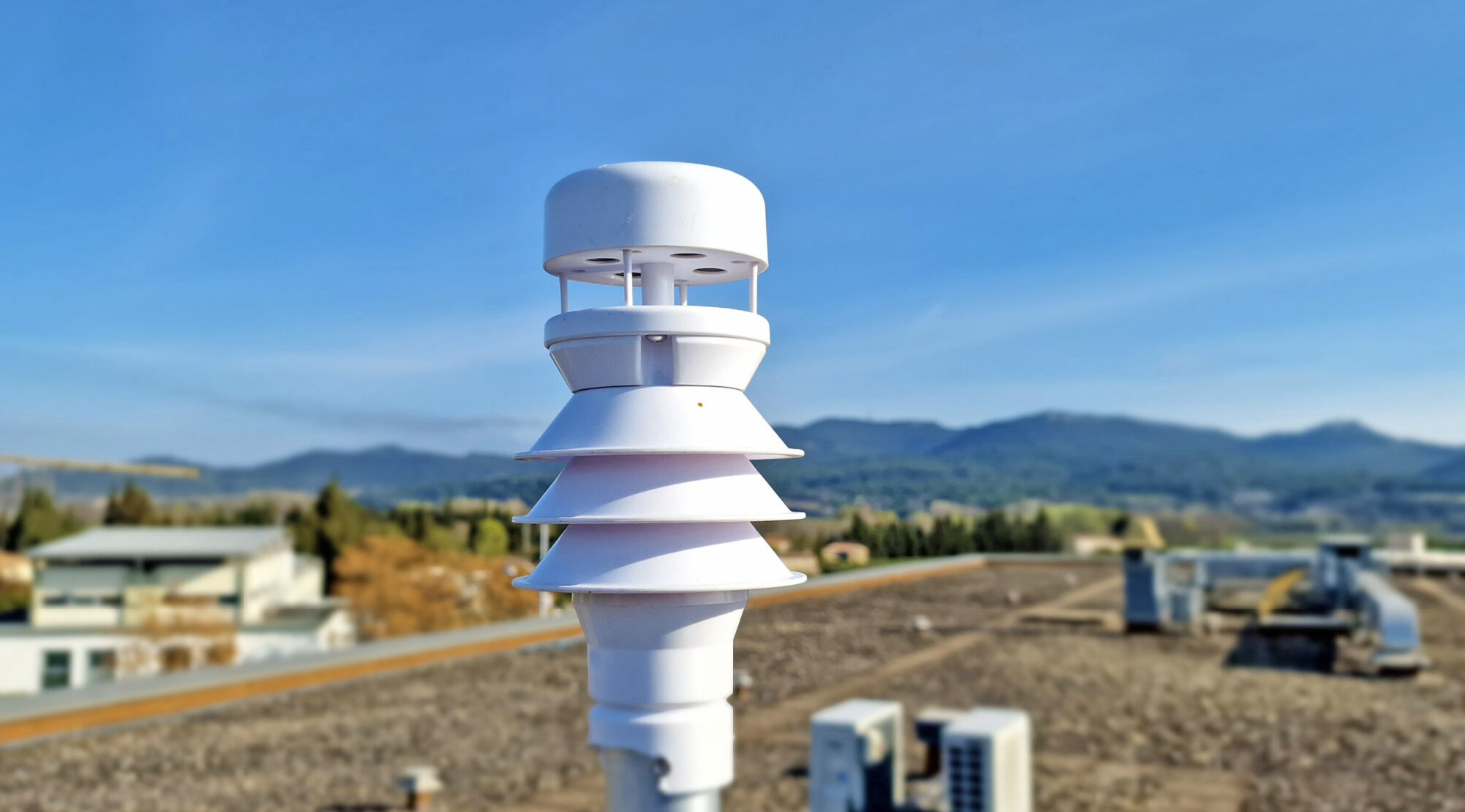
App Features to Enhance Your Allergy Management
The Pollen Count & Alerts App offers comprehensive tools designed specifically to help Overland Park residents manage their allergies effectively throughout the extended pollen season.
- Real-Time Pollen Counts: Access the latest pollen data specific to Overland Park with measurements from certified monitoring stations in the Kansas City area
- Customized Alerts: Receive personalized notifications when pollen levels reach thresholds that trigger your specific allergy symptoms
- Accurate Forecasts: Plan your week with detailed pollen predictions covering tree, grass, and ragweed allergens across all seasonal patterns
- Educational Content: Learn about local allergen sources including ragweed abundance, oak pollen peaks, and grass varieties prevalent in Johnson County
- Intuitive Design: Navigate easily through daily counts, 5-day forecasts, and historical data to identify your personal allergy triggers and patterns


Learn More About Managing Your Allergies
- Understanding Allergy Pollen Counts: Your Comprehensive Guide – Discover how to interpret pollen count levels and implement effective strategies to reduce your exposure and manage allergy symptoms throughout the year.
- Why Are My Allergies So Bad Right Now? | Pollen Count & Alerts App Blog – Understand the environmental and biological factors that can cause your allergies to suddenly intensify or change over time.
- Do Allergies Get Worse as You Age? | Pollen Count & Alerts App Blog – Explore how your immune system and allergy sensitivities evolve as you age, and what you can do to adapt your management approach.
Stay informed with expert advice and seasonal updates by visiting the Alert Pollen Blog.
Pollen count in nearby cities
FAQ
When is pollen season in Overland Park, KS?
Pollen season in Overland Park extends from late February through the first winter frost, spanning approximately nine months of the year. Tree pollen dominates from late February through May, with oak, cedar, and cottonwood being major contributors. Grass pollen peaks from late May through June, followed by weed pollen season from mid-August through November, with ragweed causing the most severe symptoms in September and early October.
What are the most common allergens in Overland Park, KS?
The most common allergens in Overland Park include oak, cedar, and cottonwood trees during spring (March-April), Bermuda grass, Timothy grass, and Kentucky bluegrass during late spring and summer (May-June), and common ragweed during fall (August-November). Ragweed is particularly abundant in Johnson County due to favorable soil and weather conditions, making it the primary allergen during the fall season. Other significant contributors include hickory, maple, elm, and various weed species like wormwood and pigweed.
How can I protect myself from pollen allergies in Overland Park?
Plan outdoor activities during evening hours when pollen levels are lowest, as mornings and afternoons see the highest concentrations in Overland Park. Use the Pollen Count & Alerts App to receive real-time pollen forecasts and personalized alerts, allowing you to prepare with medications or adjust your schedule on high-pollen days. During peak seasons, keep windows closed, shower after being outdoors, and monitor daily counts from Children's Mercy Hospital, the area's certified pollen monitoring station.
Final Thoughts
Living in Overland Park means facing one of the most challenging allergy environments in the United States, with nearly year-round pollen exposure from diverse sources. However, armed with knowledge about local pollen patterns and access to accurate monitoring data, you can take control of your allergy symptoms. The Pollen Count & Alerts App provides the real-time information you need to plan your days and protect your health.
Download the Pollen Count & Alerts App today to receive personalized alerts and stay ahead of pollen surges in Overland Park. With comprehensive forecasts and daily updates, you'll never be caught off guard by allergy season again.
Take Control of Your Allergies Today
The Pollen Count & Alerts App delivers real-time pollen counts, personalized alerts based on your specific sensitivities, and comprehensive five-day forecasts tailored to Overland Park. Stop letting allergies dictate your schedule—download the app now and breathe easier all year long. Get accurate, timely information that helps you make informed decisions about outdoor activities and medication timing.