Olathe, located in northeastern Kansas within the Kansas City metropolitan area, experiences significant pollen levels year-round due to its position at the confluence of the Missouri and Kansas rivers. The city's mix of urban development and green spaces, combined with variable weather patterns, creates challenging conditions for allergy sufferers. This guide provides comprehensive information about pollen types, seasonal patterns, monitoring resources, and effective management strategies for Olathe residents.
Understanding Pollen Count in Olathe
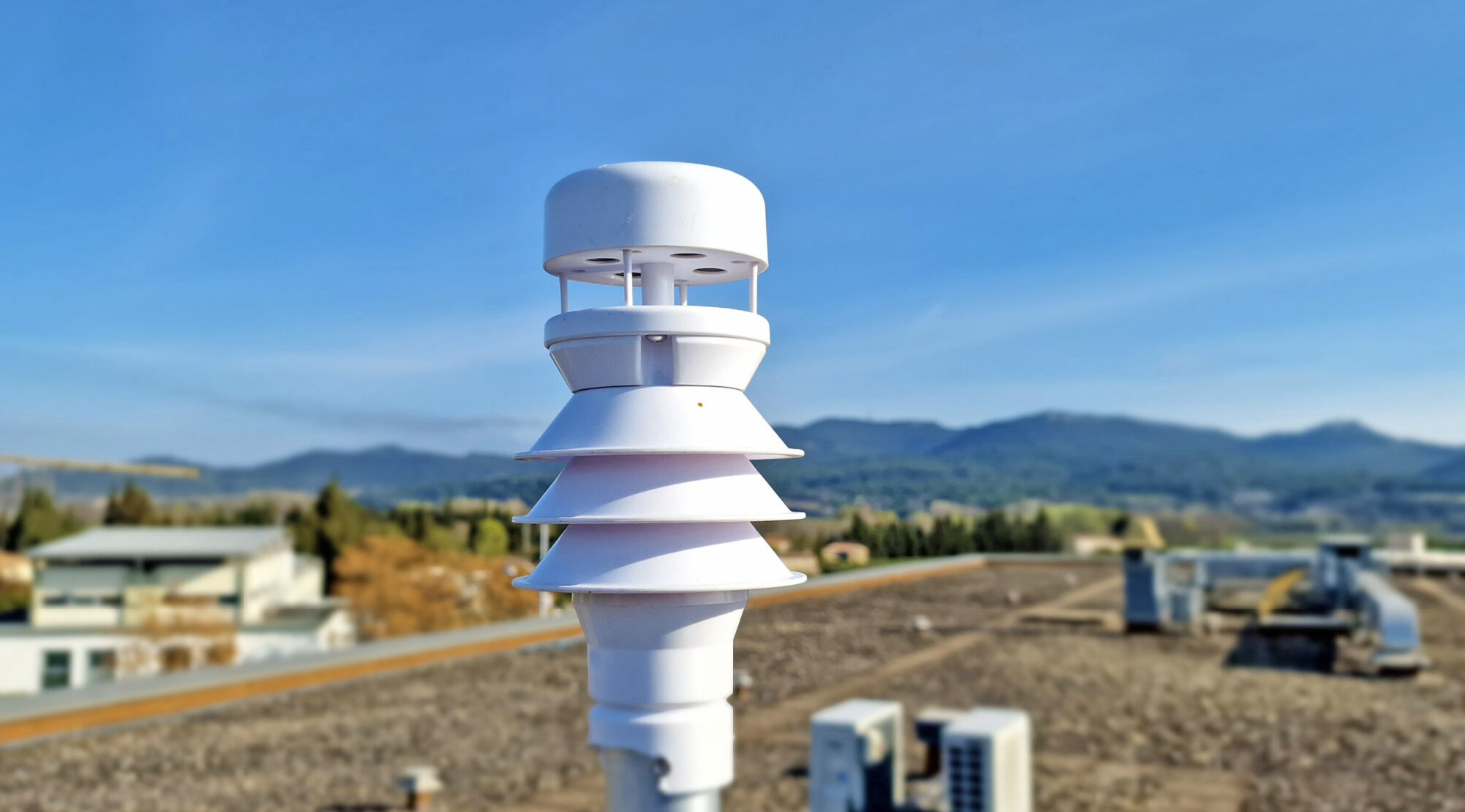
Pollen count measures the concentration of pollen grains per cubic meter of air, indicating allergy severity levels. In the Kansas City metro area, including Olathe, pollen is monitored daily using PollenSense automated counters certified by the National Allergy Bureau. When pollen counts are high, individuals typically experience sneezing, itchy watery eyes, nasal congestion, and breathing difficulties.
Key Pollen Types and Significant Allergen Trends in Olathe
Olathe experiences three distinct pollen seasons with varying allergen intensities. The Kansas City area's pollen monitoring reveals that April, May, June, and September consistently register the highest pollen levels, with ragweed dominating fall months and tree pollen peaking in spring.
- Common Ragweed: The dominant fall allergen in Olathe, producing significant pollen from August through November until the first freeze
- Tree Pollen Mix: Includes oak, maple, cedar, birch, cottonwood, elm, and ash species that peak in April and May with severe early spring concentrations
- Grass Pollen: Bermuda grass, timothy grass, and perennial ryegrass create peak allergy conditions in June throughout warmer months
- Weed Pollen Variety: Marsh elder, Russian thistle, mugwort, and pigweed contribute to extended fall allergy season alongside ragweed
Recent climate data indicates allergy seasons in the Kansas City metro area may be worsening due to climate change, with pollen density varying significantly based on daily weather fluctuations. High temperatures combined with low humidity cause pollen to travel farther, while warm, humid, windy conditions stir up allergens and raise counts dramatically.
Seasonal Pollen Patterns in Olathe
Olathe's pollen calendar follows three primary seasons with distinct allergen profiles:
- Late Winter to Spring (Late February to May): Dominated by tree pollen from oak, maple, cedar, birch, cottonwood, elm, ash, pecan, hickory, mulberry, pine, walnut, and sycamore with peak concentrations in April and May
- Late Spring to Early Summer (Late May to June): Grass pollen season featuring bermuda grass, timothy grass, perennial ryegrass, bahia grass, and Johnson grass with peak levels in June
- Late Summer to Fall (August to November): Weed pollen season led by common ragweed, marsh elder, Russian thistle, mugwort, pigweed, and nettle with peak concentrations in September and early October
- Year-Round: Mold spores present throughout the year with outdoor spore concentrations increasing starting in March
Access Daily Pollen Data for Olathe
The Pollen Count & Alerts App provides real-time pollen monitoring specifically for Olathe residents, drawing from the Children's Mercy Hospital monitoring station that serves the entire Kansas City metropolitan area. Track daily concentrations of tree, grass, weed pollen, and mold spores with certified National Allergy Bureau data. Receive personalized alerts when pollen levels spike so you can adjust outdoor activities and medication accordingly.
Effective Allergy Management Strategies for Olathe Residents
Implementing these practical strategies can significantly reduce allergy symptoms during high pollen periods:
- Use the Pollen Count & Alerts App: Monitor real-time pollen levels from the Kansas City area monitoring station and receive alerts to plan outdoor activities during low-pollen times
- Improve Indoor Air Quality: Keep windows closed during peak pollen hours, especially on warm, humid, windy days when pollen travels farther
- Practice Personal Hygiene: Shower and change clothes after outdoor activities to remove pollen particles from skin and hair
- Install HEPA Air Purifiers: Use high-efficiency particulate air filters in bedrooms and living spaces to capture airborne pollen and mold spores
- Consult Local Allergists: Seek professional care from Kansas City area allergists for allergy testing and immunotherapy, considered the most effective long-term treatment
App Features to Enhance Your Allergy Management
The Pollen Count & Alerts App offers comprehensive tools designed specifically for allergy sufferers in Olathe and the Kansas City metro area:
- Real-Time Pollen Counts: Access the latest pollen data specific to Olathe from the certified Children's Mercy Hospital monitoring station serving the Kansas City area
- Customized Alerts: Receive notifications when tree, grass, weed, or mold levels spike based on your personal sensitivity settings
- Accurate Forecasts: View multi-day pollen forecasts to plan outdoor activities, medication schedules, and allergy management strategies
- Educational Content: Learn about specific allergen species in northeastern Kansas including ragweed, oak, maple, cedar, and grass varieties
- Intuitive Design: Navigate easily between current conditions, forecasts, and historical trends with a user-friendly interface optimized for daily use


Explore More on Managing Seasonal Allergies
- Understanding Allergy Pollen Counts: Your Comprehensive Guide – Learn how to interpret pollen count levels and develop effective strategies to minimize your exposure during peak allergy seasons.
- Why Are My Allergies So Bad Right Now? | Pollen Count & Alerts App Blog – Discover the common reasons why your allergies might suddenly intensify, including climate factors and changes in local vegetation.
- Do Allergies Get Worse as You Age? | Pollen Count & Alerts App Blog – Understand how your body's response to allergens evolves throughout your lifetime and what to expect as you age.
Stay updated with the latest tips and insights by visiting the Alert Pollen Blog.
Pollen count in nearby cities
FAQ
When is pollen season in Olathe, KS?
Pollen season in Olathe spans most of the year across three distinct periods. Tree pollen dominates from late February through May, with oak, maple, cedar, and birch peaking in April and May. Grass pollen season runs from late May through June, while weed pollen—particularly ragweed—creates a fall allergy season from August through November, with September being especially intense.
What are the most common allergens in Olathe, KS?
The most common allergens in Olathe include oak, maple, cedar, and birch trees during spring (April-May), followed by bermuda grass, timothy grass, and perennial ryegrass in early summer (June). However, common ragweed is the dominant fall allergen, along with marsh elder and Russian thistle, causing significant symptoms from August through November with peak severity in September and early October.
How can I use the Pollen Count & Alerts App to manage my allergies in Olathe?
The Pollen Count & Alerts App provides real-time pollen data from the Kansas City metro area's monitoring station at Children's Mercy Hospital, helping you plan outdoor activities around daily pollen levels. You can set personalized alerts for your specific allergens—whether it's ragweed in September or oak pollen in April—so you know when to take preventive medication or limit time outside. The app's forecasts help you prepare for high-pollen days before symptoms start.
Final Thoughts
Living in Olathe means navigating pollen challenges nearly year-round, from spring tree pollen to fall ragweed. However, with accurate information about local allergen patterns and tools like the Pollen Count & Alerts App, you can take control of your allergy symptoms. Understanding when oak peaks in May or when ragweed surges in September empowers you to plan ahead and enjoy outdoor life in Kansas.
Download the Pollen Count & Alerts App today to access real-time pollen counts from the Kansas City area's certified monitoring station and receive personalized alerts tailored to your specific allergens.
Take Control of Your Allergies Today
The Pollen Count & Alerts App gives you access to real-time pollen counts from Children's Mercy Hospital's certified monitoring station, personalized alerts for your specific allergens, and comprehensive forecasts to help you plan your days. Whether you're dealing with spring oak pollen or fall ragweed, stay one step ahead of your symptoms with accurate, localized data for the Olathe area.