Kansas City, Missouri experiences a continental climate with hot summers and cold winters, creating ideal conditions for diverse pollen production year-round. The city's fluctuating weather patterns and urban environment contribute to unpredictable allergen levels that affect thousands of residents. This guide provides comprehensive information about Kansas City's pollen types, seasonal patterns, monitoring resources, and practical strategies to help you manage allergies throughout the year.
Understanding Pollen Count in Kansas City
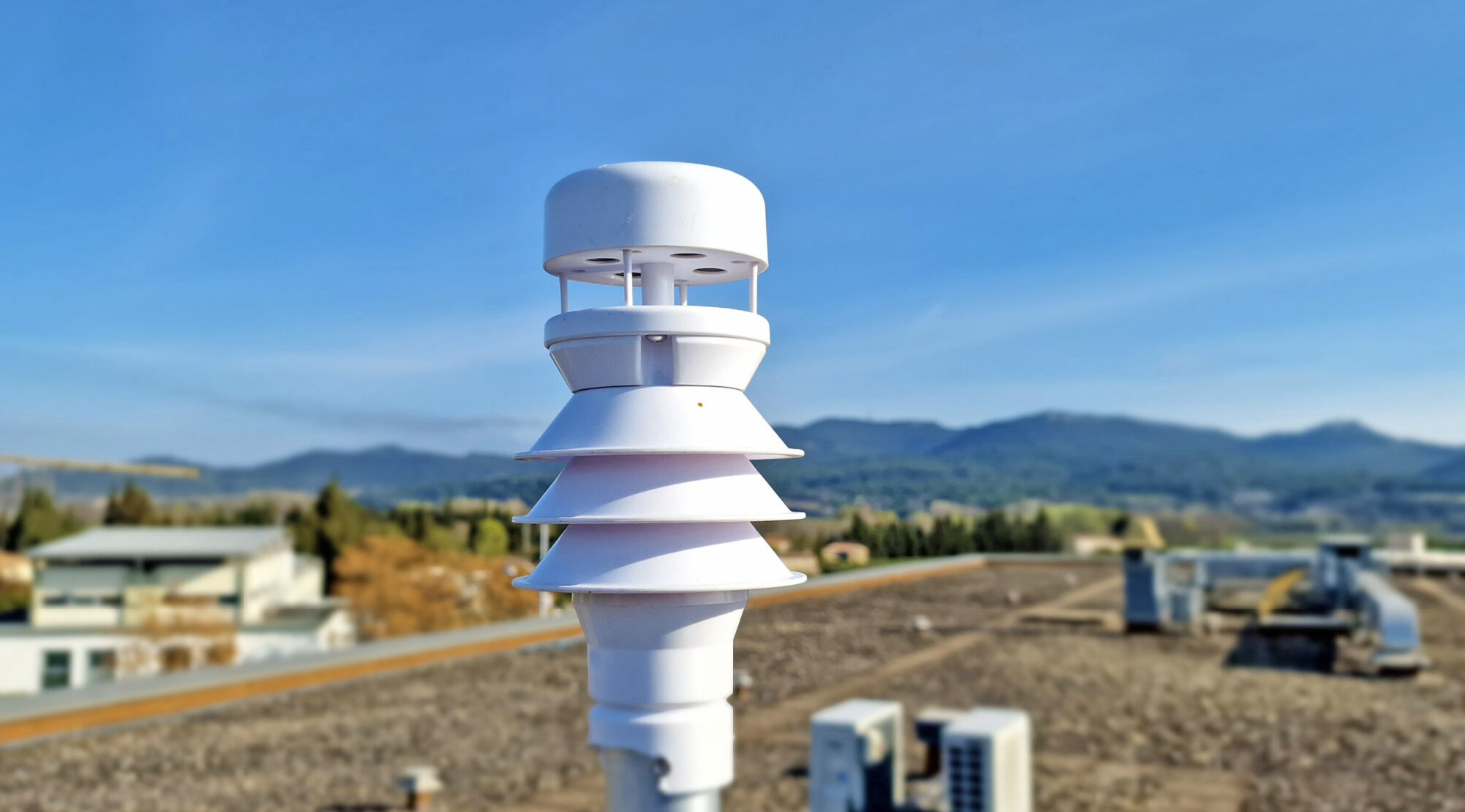
Pollen count measures the number of pollen grains per cubic meter of air, with levels categorized as low, moderate, high, or very high. When pollen counts rise, allergy sufferers commonly experience sneezing, runny nose, nasal congestion, itchy or watery eyes, throat irritation, and wheezing. Kansas City's monitoring stations use automated sensors and certified equipment to provide actual measured counts rather than estimates, helping residents plan their daily activities.
Key Pollen Types and Allergen Trends in Kansas City
Kansas City's allergen profile features three primary pollen categories that dominate different seasons. Oak trees produce the most significant spring allergen, while grass pollen peaks in late spring and summer. Ragweed stands as the most problematic fall allergen, with climate change extending pollen seasons beyond their traditional boundaries and increasing overall pollen production.
- Tree Pollen: Oak, hickory, maple, cedar, ash, elm, and cottonwood dominate from late February through May, with peak levels in March and April
- Grass Pollen: Bermuda grass, Timothy grass, Kentucky bluegrass, and ryegrass produce high counts from late May through August, peaking in late May and June
- Ragweed Pollen: The most significant fall allergen in Kansas City, ragweed peaks from September through early October and can trigger severe reactions
- Mold Spores: Present year-round with outdoor spores increasing from March onward, contributing to prolonged allergy symptoms
Climate change is significantly impacting Kansas City's pollen landscape, with warmer winters lengthening the overall allergy season and higher temperatures combined with increased CO2 levels causing some plants to produce more pollen. Urban areas show different pollen distribution patterns compared to rural surroundings due to varied plant species and altered air circulation, making localized monitoring essential for accurate allergy management.
Seasonal Pollen Patterns in Kansas City
Kansas City's pollen seasons follow distinct patterns throughout the year, with overlapping periods that can extend allergy symptoms.
- Spring (Late February to May): Dominated by tree pollen from oak, hickory, maple, cedar, ash, elm, and cottonwood, with peak levels occurring in March and April
- Summer (Late May to August): Characterized by grass pollen from Bermuda grass, Timothy grass, Kentucky bluegrass, ryegrass, fescue, and orchard grass, peaking in late May and June
- Fall (August to November): Marked by weed pollen, especially ragweed, along with wormwood, amaranth, and mustard, with highest counts in September and early October
- Winter (December to February): Minimal outdoor pollen activity, but indoor allergens including dust mites, mold, and pet dander remain problematic for sensitive individuals
Access Daily Pollen Data for Kansas City
The Pollen Count & Alerts App provides Kansas City residents with real-time pollen monitoring to help plan daily activities and manage allergy symptoms effectively. Track tree, grass, weed, and mold spore levels specific to your location throughout the day. Receive personalized alerts when pollen counts rise, allowing you to take preventive measures before symptoms begin.
Effective Allergy Management Strategies for Kansas City Residents
Implementing these practical strategies can significantly reduce your exposure to pollen and minimize allergy symptoms throughout the year.
- Use the Pollen Count & Alerts App: Monitor real-time pollen levels and receive customized alerts to plan outdoor activities during low-pollen periods
- Improve Indoor Air Quality: Keep windows closed during high pollen days, use air conditioning with clean filters, and run dehumidifiers to control mold growth
- Practice Personal Hygiene: Shower and wash hair before bed to remove pollen, change clothes after outdoor activities, and rinse nasal passages with saline solution
- Install HEPA Air Purifiers: Use high-efficiency particulate air filters in bedrooms and main living areas to capture airborne pollen and reduce indoor allergen concentrations
- Consult an Allergist: Seek professional evaluation for persistent symptoms, consider allergy testing to identify specific triggers, and explore treatment options including immunotherapy
App Features to Enhance Your Allergy Management
The Pollen Count & Alerts App offers comprehensive tools designed specifically to help Kansas City residents navigate their allergy challenges throughout all seasons.
- Real-Time Pollen Counts: Access the latest pollen data specific to Kansas City, including tree, grass, weed, and mold spore measurements updated continuously
- Customized Allergy Alerts: Receive personalized notifications based on your specific allergen sensitivities and local pollen thresholds in Kansas City
- Accurate 5-Day Forecasts: Plan ahead with detailed pollen predictions that account for Kansas City's fluctuating weather patterns and seasonal variations
- Educational Allergy Content: Learn about specific allergens affecting Kansas City, understand symptoms, and discover evidence-based management strategies
- Intuitive User-Friendly Design: Navigate easily through pollen data, forecasts, and alerts with a clean interface designed for quick daily reference


Learn More About Managing Your Allergies
- Understanding Allergy Pollen Counts: Your Comprehensive Guide – Discover how to interpret pollen count levels and develop effective strategies to reduce your allergy symptoms throughout the year.
- Why Are My Allergies So Bad Right Now? | Pollen Count & Alerts App Blog – Understand the factors that can cause your allergies to suddenly worsen, including climate change, weather patterns, and environmental triggers.
- Do Allergies Get Worse as You Age? | Pollen Count & Alerts App Blog – Learn why your allergies may change as you age and what to expect from your body's immune response over time.
Stay informed with helpful allergy management resources by visiting the Alert Pollen Blog.
Pollen count in nearby cities
FAQ
When is pollen season in Kansas City, MO?
Kansas City experiences pollen activity nearly year-round, with three distinct peak seasons. Tree pollen dominates from late February through May, with oak, hickory, and cedar peaking in March and April. Grass pollen season runs from late May through August, with the highest levels in late May and June. Ragweed and other weed pollens take over from August through November, peaking in September and early October.
What are the most common allergens in Kansas City, MO?
The most significant allergens in Kansas City vary by season. Spring brings heavy tree pollen from oak, hickory, maple, cedar, ash, elm, and cottonwood species. Summer is dominated by grass pollens including Bermuda grass, Timothy grass, Kentucky bluegrass, and ryegrass. Fall's primary culprit is ragweed, which produces massive amounts of pollen and is joined by wormwood, amaranth, and mustard weeds. Mold spores are also present year-round, with outdoor levels increasing from March onward.
How can I protect myself from Kansas City's high pollen levels?
Monitor daily pollen counts through the Pollen Count & Alerts App, which provides real-time data from local monitoring stations like Children's Mercy Hospital. Plan outdoor activities for times when counts are lower, typically after rain or on calm days, and keep windows closed during peak pollen periods in early morning and evening. Kansas City's fluctuating weather patterns mean pollen levels can change rapidly, so personalized alerts help you stay prepared and minimize exposure.
Final Thoughts
Living in Kansas City means navigating nearly continuous pollen seasons, with tree, grass, and weed allergens overlapping throughout much of the year. However, armed with accurate local pollen data and the right tools, you can take control of your allergy symptoms. The Pollen Count & Alerts App connects you to real-time measurements from Kansas City's certified monitoring stations, helping you plan your days around actual pollen conditions rather than guesswork.
Download the Pollen Count & Alerts App today to receive personalized alerts based on Kansas City's unique pollen patterns and protect yourself from unexpected allergy flare-ups.
Take Control of Your Allergies Today
The Pollen Count & Alerts App delivers accurate, real-time pollen counts from Kansas City's local monitoring stations directly to your phone. Get personalized alerts tailored to your specific allergen sensitivities, access comprehensive forecasts, and plan your activities with confidence. Don't let pollen control your life—download the app now and breathe easier.