Lincoln, Nebraska, located in the heart of the Great Plains, experiences a continental climate with sharp seasonal transitions and frequent winds. These geographic and climatic factors contribute to an extended pollen season lasting approximately 8-9 months, from late February through mid-October, with high winds dispersing allergens across vast distances. This guide covers Lincoln's primary pollen types, seasonal patterns, recent trends, and practical strategies to help residents manage allergies throughout the year.
Understanding Pollen Count in Lincoln
Pollen count measures the concentration of pollen grains per cubic meter of air, indicating allergen exposure levels. When counts are high, allergy sufferers commonly experience sneezing, runny nose, nasal congestion, itchy watery eyes, and in susceptible individuals, respiratory symptoms including asthma exacerbations. Lincoln's pollen monitoring provides daily data to help residents anticipate and prepare for high-allergen days.
Key Pollen Types and Recent Trends in Lincoln
Lincoln's most significant allergens include tree pollen in spring, grass pollen in summer, and ragweed in fall, with ragweed being particularly abundant throughout Nebraska. Recent monitoring data reveals important trends: in March 2024, juniper pollen reached 117 grains per cubic meter, establishing it as a dominant early spring allergen, while the overall pollen season has lengthened by approximately 18 days compared to historical averages. Climate change continues to impact Lincoln's pollen landscape, with warmer temperatures and longer growing seasons contributing to increased pollen production.
- Juniper (Cedar) Pollen: Recorded at 117 grains per cubic meter in March 2024, producing very potent pollen with properties similar to ragweed
- Tree Pollen Complex: Includes oak, elm, maple, hickory, and ash, with tiny lightweight particles that travel easily on Lincoln's high winds
- Grass Pollen: Dominated by Timothy grass, Kentucky bluegrass, and ryegrass peaking from May through August during late spring and early summer
- Ragweed Pollen: Particularly abundant in Nebraska, this notorious allergen dominates from mid-August through the first hard freeze in October
Climate research shows pollen concentrations in the region have increased by approximately 21 percent, while pollen seasons are advancing and lengthening by about 20 days across North America. Lincoln's location on the Great Plains, combined with frequent high winds, allows pollen particles to travel many miles, significantly extending exposure range for residents and making allergen avoidance particularly challenging during peak seasons.
Seasonal Pollen Patterns in Lincoln
Lincoln experiences distinct pollen seasons that overlap throughout most of the year:
- Late Winter to Spring (Late February to Early June): Tree pollen dominates with elm, juniper, and maple starting in late February, followed by oak, hickory, willow, and ash peaking through April and May
- Late Spring to Summer (May to August): Grass pollen season peaks with Timothy grass, Kentucky bluegrass, ryegrass, and Bermuda grass producing high counts during warm weather
- Late Summer to Fall (Mid-August to October): Ragweed pollen takes over as the primary allergen, accompanied by sagebrush, marsh elder, amaranth, and wormwood until the first hard freeze
- Winter (December to Early February): Minimal pollen activity provides residents a brief respite from outdoor allergens during the coldest months
Access Daily Pollen Data for Lincoln
The Pollen Count & Alerts App provides Lincoln residents with real-time pollen monitoring and forecasts tailored to your location. Track daily concentrations of tree, grass, and weed pollen, plus mold spores, helping you plan outdoor activities during low-allergen periods. Stay informed with personalized alerts when pollen levels spike in your area.
Effective Allergy Management Strategies for Lincoln Residents
Implement these proven strategies to minimize pollen exposure and reduce allergy symptoms:
- Use the Pollen Count & Alerts App: Monitor real-time pollen levels and receive customized alerts to plan outdoor activities during low-pollen times
- Maintain Indoor Air Quality: Keep windows closed during high pollen days, especially on warm, breezy mornings when counts peak, and use air conditioning with clean filters
- Practice Personal Hygiene: Shower and change clothes after outdoor activities to remove pollen particles from skin and hair, preventing indoor contamination
- Install HEPA Air Purifiers: Use high-efficiency particulate air filters in bedrooms and main living areas to capture airborne pollen and reduce indoor allergen concentrations
- Consult an Allergist: Work with a board-certified allergist for personalized treatment plans, which may include antihistamines, nasal sprays, or immunotherapy for long-term relief
Enhance Your Allergy Management with the Pollen Count & Alerts App
The Pollen Count & Alerts App offers comprehensive features designed specifically for allergy sufferers in Lincoln and beyond:
- Real-Time Pollen Counts: Access the latest pollen data specific to Lincoln, including tree, grass, weed, and mold spore concentrations updated throughout the day
- Customized Alerts: Receive personalized notifications when pollen levels reach thresholds that typically trigger your symptoms, allowing proactive management
- Accurate Forecasts: View multi-day pollen forecasts to plan outdoor activities, travel, and medication schedules during Lincoln's extended allergy season
- Educational Content: Learn about specific allergens affecting Lincoln, including juniper, oak, ragweed, and grasses, with expert tips for symptom management
- Intuitive Design: Navigate an easy-to-use interface that displays pollen data clearly, making it simple to check daily counts and forecasts at a glance


Learn More About Managing Your Allergies
- Understanding Allergy Pollen Counts: Your Comprehensive Guide – Discover how to interpret pollen counts and implement effective strategies to minimize your allergy symptoms throughout the year.
- Why Are My Allergies So Bad Right Now? | Pollen Count & Alerts App Blog – Understand the factors that can cause your allergies to suddenly intensify, including climate changes and increased pollen concentrations.
- Do Allergies Get Worse as You Age? | Pollen Count & Alerts App Blog – Learn how your body's response to allergens evolves over time and what to expect as you age.
Stay updated with the latest tips and insights by visiting the Alert Pollen Blog.
Pollen count in nearby cities
FAQ
When is pollen season in Lincoln, Nebraska?
Pollen season in Lincoln runs from late February through mid-October, lasting approximately 8-9 months. Tree pollen dominates from late February through May, featuring elm, juniper, maple, and oak. Grass pollen peaks from May through August, followed by ragweed and other weed pollens from mid-August until the first hard freeze in fall.
What are the most common allergens in Lincoln, NE?
The most common allergens in Lincoln include juniper (cedar), elm, maple, and oak during spring tree season; timothy grass, Kentucky bluegrass, and ryegrass during late spring and summer; and ragweed, which is particularly abundant in Nebraska, during late summer and fall. Ragweed is notorious for causing severe allergy symptoms and dominates from mid-August through October. Other significant contributors include hickory, willow, ash, sagebrush, and marsh elder.
How can I best protect myself from pollen in Lincoln using the Pollen Count & Alerts App?
The Pollen Count & Alerts App provides real-time pollen counts specific to Lincoln, helping you plan outdoor activities around low-pollen periods. Set personalized alerts to receive notifications when your specific allergens reach high levels, allowing you to take preventive medications before symptoms start. With Lincoln's windy conditions dispersing pollen over long distances, checking daily forecasts helps you stay ahead of exposure.
Final Thoughts
Living with allergies in Lincoln presents unique challenges due to the extended 8-9 month pollen season, windy conditions, and abundant ragweed, but understanding your local pollen patterns empowers you to take control. With pollen seasons starting earlier and lasting longer due to climate trends, having access to accurate, real-time information through the Pollen Count & Alerts App is more important than ever for managing your symptoms effectively.
Download the Pollen Count & Alerts App today to receive personalized pollen alerts tailored to Lincoln's specific allergens and stay one step ahead of your allergies.
Take Control of Your Allergies Today
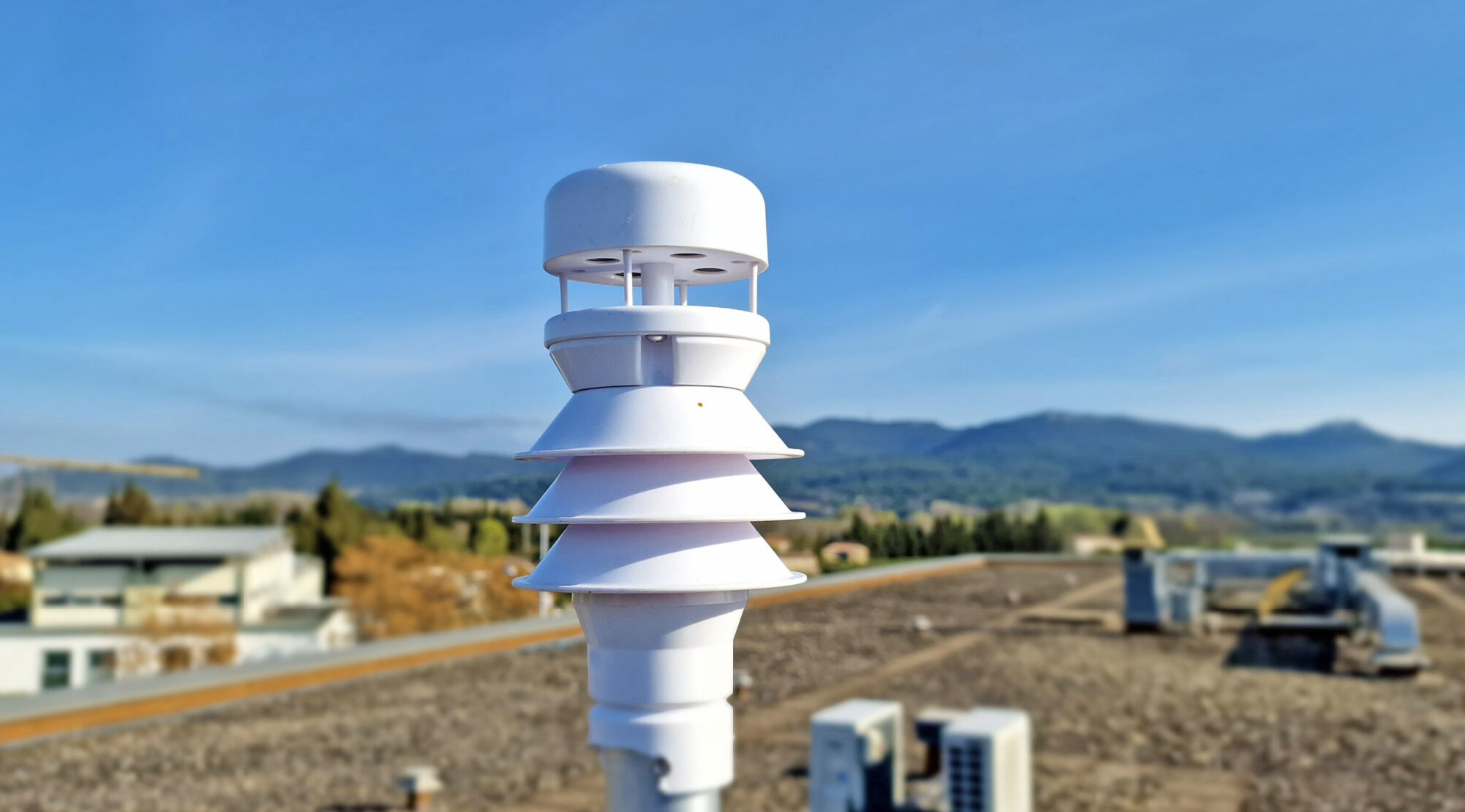
The Pollen Count & Alerts App delivers real-time pollen counts from Nebraska Wesleyan University's certified monitoring station, personalized alerts for your specific allergens, and comprehensive forecasts covering tree, grass, and weed pollen throughout Lincoln's extended season. Whether you're dealing with spring oak pollen or fall ragweed, our app helps you plan your days with confidence and breathe easier.