Independence, Missouri, located at the confluence of the Missouri and Kansas Rivers in the Kansas City metropolitan area, experiences a continental climate with hot summers and cold winters. This geographic setting creates an extended allergy season lasting 8-9 months annually, from late February through late October or early November. This guide covers the main pollen types affecting Independence residents, seasonal patterns, peak allergy months, and effective management strategies using real-time monitoring.
Understanding Pollen Count in Independence
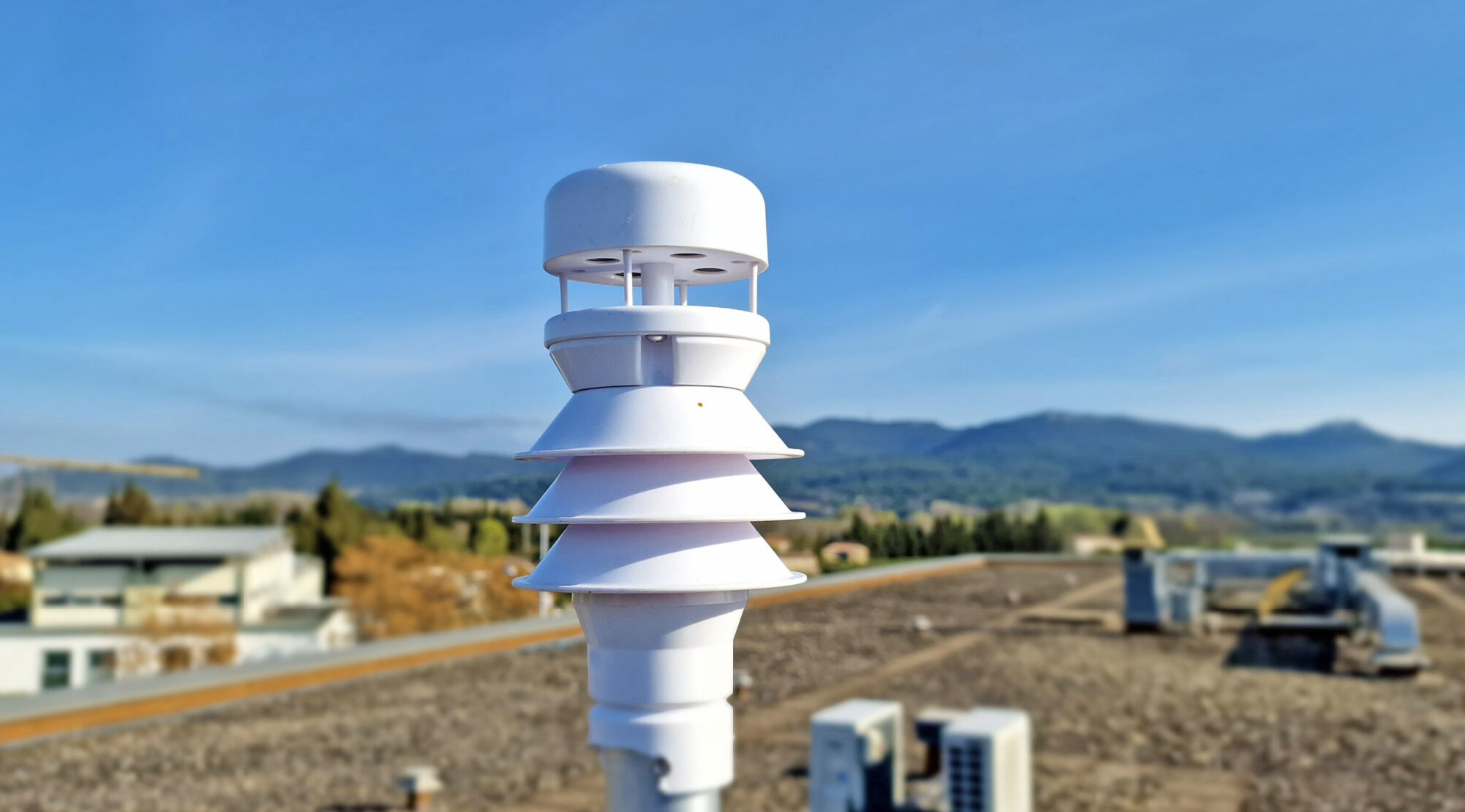
Pollen count measures the concentration of pollen grains per cubic meter of air, typically collected from rooftop monitoring stations like the National Allergy Bureau certified site at Children's Mercy Hospital in downtown Kansas City. When pollen counts are high, allergy sufferers commonly experience sneezing, runny nose, nasal congestion, itchy throat, watery eyes, and respiratory symptoms. Daily counts fluctuate widely based on weather conditions, with hot, dry, windy days producing higher levels and rainy, cloudy, windless days bringing relief.
Key Pollen Types and Significant Trends in Independence
Independence residents face three major categories of pollen allergens throughout the year, with oak and ragweed standing out as the most significant triggers. Climate change is intensifying pollen production, with rising temperatures and increased CO₂ levels causing plants to generate more pollen while extending growing seasons beyond their historical ranges.
- Oak Pollen: The most prolific producer of tree pollen in the region with very potent allergens, peaking in mid-spring during April
- Ragweed Pollen: The undisputed king of weed allergens, with a single plant producing over 1 billion pollen grains per season and triggering the September Asthma Peak
- Grass Pollen: Dominated by ryegrass, Bermuda grass, and Timothy grass, with peak levels occurring in late May and June during the summer season
- Eastern Red Cedar: Major early-season contributor with very potent pollen that can travel hundreds of miles from Texas, Oklahoma, and Colorado to reach Independence
Recent trends show predictions for hyperactive weed pollen seasons due to widespread warmth, particularly affecting the eastern United States. The variable weather patterns characteristic of Independence and the Kansas City area cause unpredictable day-to-day pollen spikes, making daily monitoring essential for effective allergy management.
Seasonal Pollen Patterns in Independence
Independence experiences distinct pollen seasons throughout the year, with the worst months being April, May, June, and September.
- Spring (Late February to May): Dominated by tree pollen from elm, oak, birch, cottonwood, maple, hickory, walnut, ash, mulberry, and sycamore, with oak peaking in April
- Summer (May to July): Characterized by grass pollen from ryegrass, Bermuda grass, and Timothy grass, with peak levels in late May and June
- Fall (August to November): Weed pollen season led by ragweed from mid-August until the first hard frost, with September being the peak month for ragweed and overall weed allergens
- Winter (December to January): Outdoor pollen minimal, with indoor allergens like dust mites, mold, and pet dander becoming the primary concern for allergy sufferers
Accessing Daily Pollen Data in Independence
The Pollen Count & Alerts App provides Independence residents with daily pollen monitoring specific to the Kansas City metropolitan area. With real-time tracking of tree, grass, weed, and mold spore levels, you can plan outdoor activities during low-pollen periods and take preventive measures when counts are high. The app delivers personalized alerts based on local data from Children's Mercy Hospital's National Allergy Bureau certified monitoring station.
Effective Allergy Management Strategies for Independence Residents
Implementing these proven strategies can significantly reduce allergy symptoms during Independence's lengthy pollen season.
- Use the Pollen Count & Alerts App: Monitor real-time pollen levels and receive alerts to plan outdoor activities during low-pollen times and avoid peak exposure hours
- Maintain Indoor Air Quality: Keep windows closed during high pollen days, especially on hot, dry, windy mornings when counts are typically highest
- Practice Personal Hygiene: Shower and wash hair before bed to remove pollen accumulated during the day, change clothes after outdoor activities, and wash bedding weekly in hot water
- Install HEPA Air Purifiers: Use high-efficiency particulate air filters in bedrooms and main living areas to capture pollen particles and reduce indoor allergen exposure
- Consult an Allergist: Seek professional evaluation for persistent symptoms, especially during September's peak ragweed season and the spring oak pollen surge, to develop a personalized treatment plan
Pollen Count & Alerts App Features to Enhance Allergy Management
The Pollen Count & Alerts App offers comprehensive tools designed specifically to help Independence residents manage allergies effectively throughout the extended 8-9 month pollen season.
- Real-Time Pollen Counts: Access the latest pollen data specific to Independence and the Kansas City metropolitan area from certified monitoring stations
- Customized Alerts: Receive personalized notifications when pollen levels for your specific allergens reach moderate or high thresholds, allowing proactive symptom management
- Accurate Forecasts: View multi-day pollen forecasts to plan outdoor activities, schedule lawn maintenance, or adjust medication timing during peak seasons
- Educational Content: Learn about local allergens including oak, ragweed, and grass pollen, plus understand seasonal patterns and climate change impacts on pollen production
- Intuitive Design: Navigate easily through clean interfaces to quickly check daily counts, view historical trends, and understand which specific pollen types are affecting you today


Explore More on Managing Seasonal Allergies
- Understanding Allergy Pollen Counts: Your Comprehensive Guide – Learn how to interpret daily pollen counts and use this information to develop effective allergy management strategies for your specific sensitivities.
- Why Are My Allergies So Bad Right Now? | Pollen Count & Alerts App Blog – Discover the environmental and physiological factors that can cause your allergies to suddenly intensify, including climate change effects and immune system changes.
- Do Allergies Get Worse as You Age? | Pollen Count & Alerts App Blog – Understand how your allergic responses evolve throughout different life stages and why you might develop new sensitivities or outgrow existing ones.
Stay updated with the latest tips and insights by visiting the Alert Pollen Blog.
Pollen count in nearby cities
FAQ
When is pollen season in Independence, MO?
Pollen season in Independence, MO runs from late February through late October or early November, lasting approximately 8-9 months. The season has three distinct peaks: tree pollen dominates from March through May with oak being the primary culprit, grass pollen peaks in late May and June, and weed pollen, especially ragweed, reaches its highest levels in September. The worst months overall for allergy sufferers are April, May, June, and September.
What are the most common allergens in Independence, MO?
The most common allergens in Independence are oak (the most prolific tree pollen producer in the region, peaking in April), Eastern red cedar (a major early spring allergen starting in late January), elm (peaking March-April), ryegrass and Bermuda grass (dominating late May through June), and ragweed (the undisputed king of weed allergens, peaking in September). Other significant contributors include hickory, walnut, ash, birch, cottonwood, and maple during spring months, while pigweed, thistle, and marsh elder are prevalent in late summer and fall.
How can I protect myself from pollen allergies in Independence, MO?
Monitor daily pollen counts from Children's Mercy Hospital or Kansas City Allergy & Asthma to plan your outdoor activities, especially on hot, dry, windy days when counts are highest. Download the Pollen Count & Alerts App to receive personalized alerts for Independence so you can take preventive medication before symptoms start. Stay indoors during peak pollen hours (typically morning and early evening), keep windows closed during high-count days, and shower after spending time outside to remove pollen from your hair and skin.
Final Thoughts
Living in Independence, MO means navigating one of the longest pollen seasons in the region, but being informed about what allergens to expect and when they peak puts you in control. With reliable local monitoring from Children's Mercy Hospital and practical tools like the Pollen Count & Alerts App, you can anticipate high pollen days and take proactive steps to minimize your symptoms. Understanding that oak, ragweed, and grass are your main seasonal challenges allows you to plan ahead and enjoy more symptom-free days.
Don't let pollen dictate your daily activities—download the Pollen Count & Alerts App today and take charge of your allergy management in Independence, MO.
Take Control of Your Allergies Today
The Pollen Count & Alerts App provides real-time pollen counts specifically for Independence, MO, personalized alerts based on your unique allergen sensitivities, and comprehensive 5-day forecasts so you can plan your week with confidence. Download the app now and stop letting pollen control your life—whether it's spring oak, summer grass, or fall ragweed, you'll always know what's in the air.