Rochester, New York sits along the southern shore of Lake Ontario in the Finger Lakes region, experiencing long, cold winters and a compressed growing season. This northern location creates one of the most intense pollen environments in the United States, with Rochester ranking among the top 5 worst cities for allergies. This guide covers Rochester's unique pollen patterns, seasonal trends, major allergen types, and effective management strategies to help you breathe easier throughout the year.
Understanding Pollen Count in Rochester
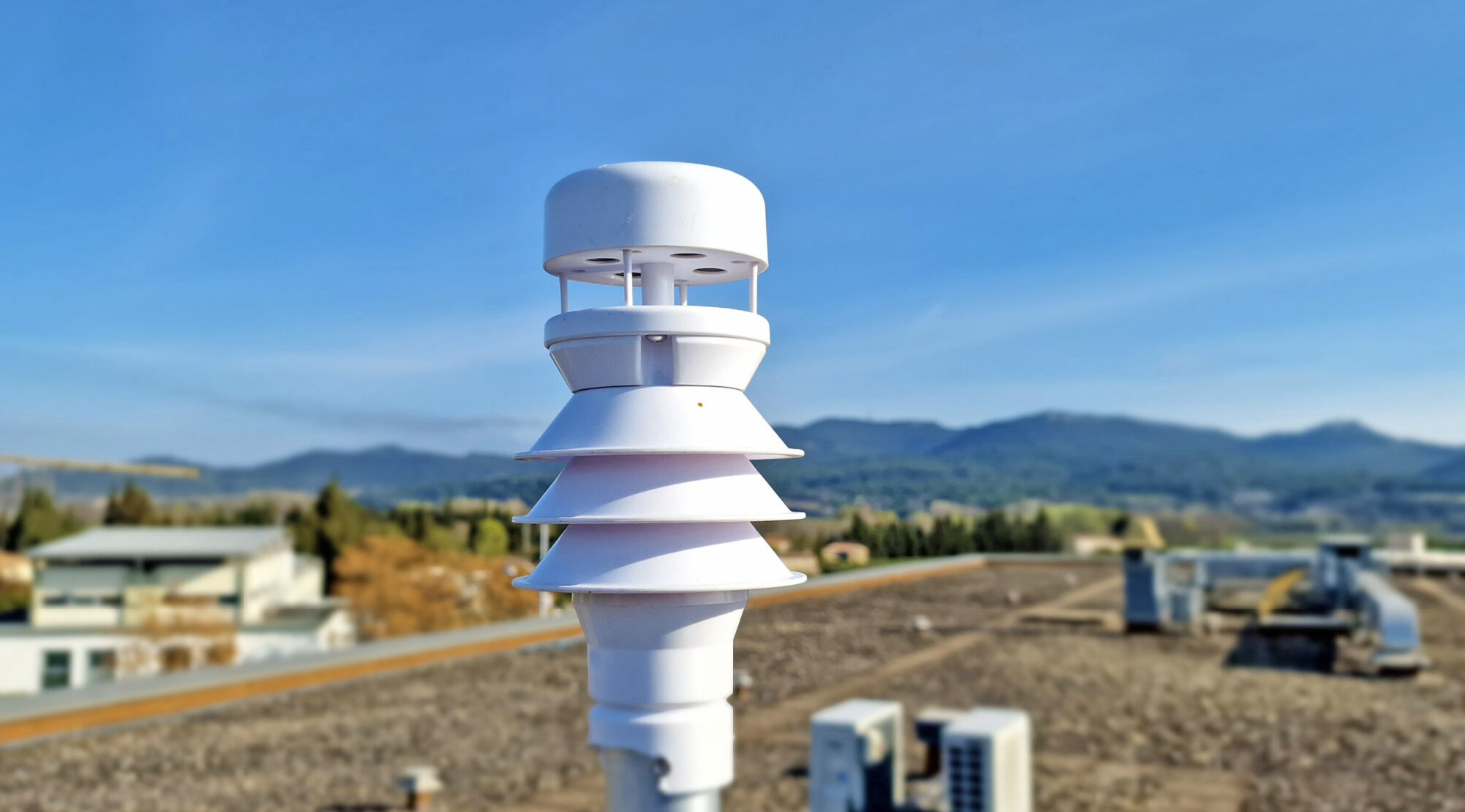
Pollen count measures the concentration of pollen grains per cubic meter of air collected over a 24-hour period. In Rochester, pollen is monitored using automated particulate sensors with neural network algorithms that identify individual species. When counts are elevated, allergy sufferers typically experience sneezing, coughing, nasal congestion, eye irritation, and in severe cases, respiratory distress and asthma attacks.
Key Pollen Types and Recent Trends in Rochester
Rochester's allergy landscape is dominated by three major pollen categories that create overlapping seasons of misery for sensitive individuals. The city's northern latitude at 43°N causes multiple tree species to bloom simultaneously rather than sequentially, creating intense pollen loads concentrated into just 4-6 weeks during spring. Climate change has lengthened the pollen season and increased pollen production, with warmer winters delaying dormancy and warm, wet springs accelerating release.
- Tree Pollen (Oak, Maple, Birch): Dominates from late April through June with simultaneous multi-species blooming creating exceptionally potent allergenic conditions, beginning around May 2
- Grass Pollen (Timothy, Ryegrass, Bluegrass): Most potent from mid-spring through late summer (June-August), overlapping with late tree season and creating sustained allergen exposure
- Ragweed Pollen: The dominant fall allergen peaking in September, notorious for severe allergic reactions and wind-borne dispersal across the entire Rochester region
- Mold Spores: Peak in October from decomposing leaves and persist through the first frost, compounding ragweed allergy symptoms
Rochester's compressed allergy season concentrates nearly all outdoor allergen exposure into just five months, from late April through late October. This differs dramatically from warmer southern cities where pollen seasons extend year-round. Emergency department visits, especially among children with asthma, spike significantly during the April-May tree pollen peak, with increases lasting 2-3 weeks depending on weather conditions.
Seasonal Pollen Patterns in Rochester
Rochester's pollen calendar follows a predictable yet intense seasonal progression shaped by the region's northern climate.
- Spring (Late April to June): Dominated by tree pollen from oak, maple, birch, hickory, walnut, willow, ash, cottonwood, elm, and juniper blooming simultaneously in a 4-6 week window
- Summer (June to August): Grass pollen from timothy, ryegrass, orchard grass, and bluegrass reaches peak intensity, overlapping with late-season tree pollen
- Fall (Late August to October): Ragweed pollen dominates with peak intensity in September, accompanied by mugwort, nettle, and sorrel, plus elevated mold spores from decomposing leaves in October
- Winter (November to March): Minimal outdoor pollen activity with indoor allergens such as mold, dust mites, and pet dander becoming the primary concern
Access Daily Pollen Data for Rochester
The Pollen Count & Alerts App provides real-time pollen tracking specifically for Rochester, delivering accurate counts for tree, grass, weed, and mold spores throughout the day. Daily pollen peaks from 5 AM to 10 AM, making morning planning essential for allergy sufferers. Stay informed with location-specific data and customized alerts so you can schedule outdoor activities during low-pollen windows.
Effective Allergy Management Strategies
Take control of your allergies with these proven strategies tailored to Rochester's intense pollen environment.
- Use the Pollen Count & Alerts App: Monitor real-time pollen levels and receive alerts to plan outdoor activities during low-pollen times, especially avoiding mornings when counts peak
- Improve Indoor Air Quality: Keep windows closed during high pollen days, use air conditioning with clean filters, and run dehumidifiers to reduce indoor mold growth
- Practice Good Personal Hygiene: Shower and wash hair before bed to remove pollen from skin and hair, change clothes after outdoor exposure, and rinse nasal passages with saline solution
- Install HEPA Air Purifiers: Use high-efficiency particulate air filters in bedrooms and main living areas to capture airborne pollen, mold spores, and other allergens
- Consult a Board-Certified Allergist: Seek professional care from specialists at Allergy Asthma Immunology of Rochester or UR Medicine for allergy testing, immunotherapy, and personalized treatment plans
Enhance Your Allergy Management with the Pollen Count & Alerts App
The Pollen Count & Alerts App offers comprehensive tools designed to help Rochester residents navigate the city's challenging allergy season with confidence.
- Real-Time Pollen Counts: Access the latest pollen data specific to Rochester, updated continuously using automated sensors and climate modeling
- Customized Allergy Alerts: Receive push notifications when pollen levels for your specific allergens reach thresholds that may trigger symptoms
- Accurate Multi-Day Forecasts: Plan ahead with detailed forecasts showing predicted pollen levels for tree, grass, weed, and mold spores over the coming days
- Educational Allergen Content: Learn about oak, maple, birch, ragweed, and other Rochester-area allergens with species-specific information and peak timing
- Intuitive User Interface: Navigate easily through daily counts, hourly breakdowns, and historical trends with a clean, accessible design optimized for quick checks


Explore More on Managing Seasonal Allergies
- Understanding Allergy Pollen Counts: Your Comprehensive Guide – Learn how to interpret pollen count levels and discover effective strategies to reduce your exposure during Rochester's intense spring bloom period.
- Why Are My Allergies So Bad Right Now? | Pollen Count & Alerts App Blog – Understand the factors that can cause your allergies to suddenly worsen, including weather patterns and climate change impacts on pollen production.
- Do Allergies Get Worse as You Age? | Pollen Count & Alerts App Blog – Discover how your body's response to allergens like ragweed and tree pollen can evolve throughout different stages of your life.
Stay updated with the latest tips and insights by visiting the Alert Pollen Blog.
Pollen count in nearby cities
FAQ
When is pollen season in Rochester, NY?
Rochester's pollen season runs from late April through late October, compressed into about 5 months due to the region's long, cold winters. Tree pollen dominates from late April through June, with multiple species blooming simultaneously in an intense 4-6 week window. Grass pollen peaks during the summer months (June-August), while ragweed and other weed pollens take over in late summer and fall, with September being the peak month for ragweed allergies.
What are the most common allergens in Rochester, NY?
Rochester's most common allergens include tree pollen from oak, maple, birch, hickory, and walnut in spring (April-June), grass pollen from timothy grass, ryegrass, and bluegrass during summer (June-August), and weed pollen dominated by ragweed in fall (late August-October). Oak pollen typically begins around May 2nd, nearly three months later than in southern U.S. cities. Ragweed is particularly notorious in Rochester, making it one of the top 5 worst U.S. cities for allergies, with September being the most challenging month for allergy sufferers.
How can I track pollen levels in Rochester to better manage my allergies?
Use the Pollen Count & Alerts App to receive real-time pollen counts and personalized alerts specific to Rochester's compressed allergy season. Plan outdoor activities after 10 AM when pollen counts drop from their 5-10 AM peak, and stay indoors on dry, windy days when pollen dispersal is highest. Check daily updates from Allergy Asthma Immunology of Rochester (AAIR), the only local pollen counting station serving the Finger Lakes region, and use the app's forecasts to prepare for high pollen days before symptoms start.
Final Thoughts
Living in Rochester, NY means facing one of the most challenging allergy environments in the United States, with an intense compressed pollen season where multiple tree species bloom simultaneously in spring. However, understanding your local pollen patterns—from the late April tree pollen surge to September's peak ragweed season—empowers you to take control of your health. The Pollen Count & Alerts App provides the real-time data you need to navigate Rochester's unique allergy landscape with confidence.
Don't let Rochester's notorious allergy season catch you off guard. Download the Pollen Count & Alerts App today to receive personalized alerts and stay one step ahead of pollen peaks throughout the year.
Take Control of Your Allergy Season Today
The Pollen Count & Alerts App delivers real-time pollen counts for Rochester, personalized alerts tailored to your specific allergens, and comprehensive forecasts that help you plan your days around the region's compressed but intense pollen season. Whether you're managing tree pollen in spring, grass allergies in summer, or ragweed in fall, our app keeps you informed and prepared. Download now and breathe easier all season long.