Syracuse, located at the southern end of Onondaga Lake in Central New York, experiences one of the most intense pollen seasons in the northeastern United States. The city's humid continental climate and extremely long winters compress the outdoor pollen season into April through October, causing multiple tree species to bloom simultaneously and creating exceptionally high pollen counts. This guide covers Syracuse's unique pollen challenges, seasonal patterns, dominant allergens including oak, maple, and ragweed, and strategies to manage allergy symptoms throughout the year.
Understanding Pollen Count in Syracuse
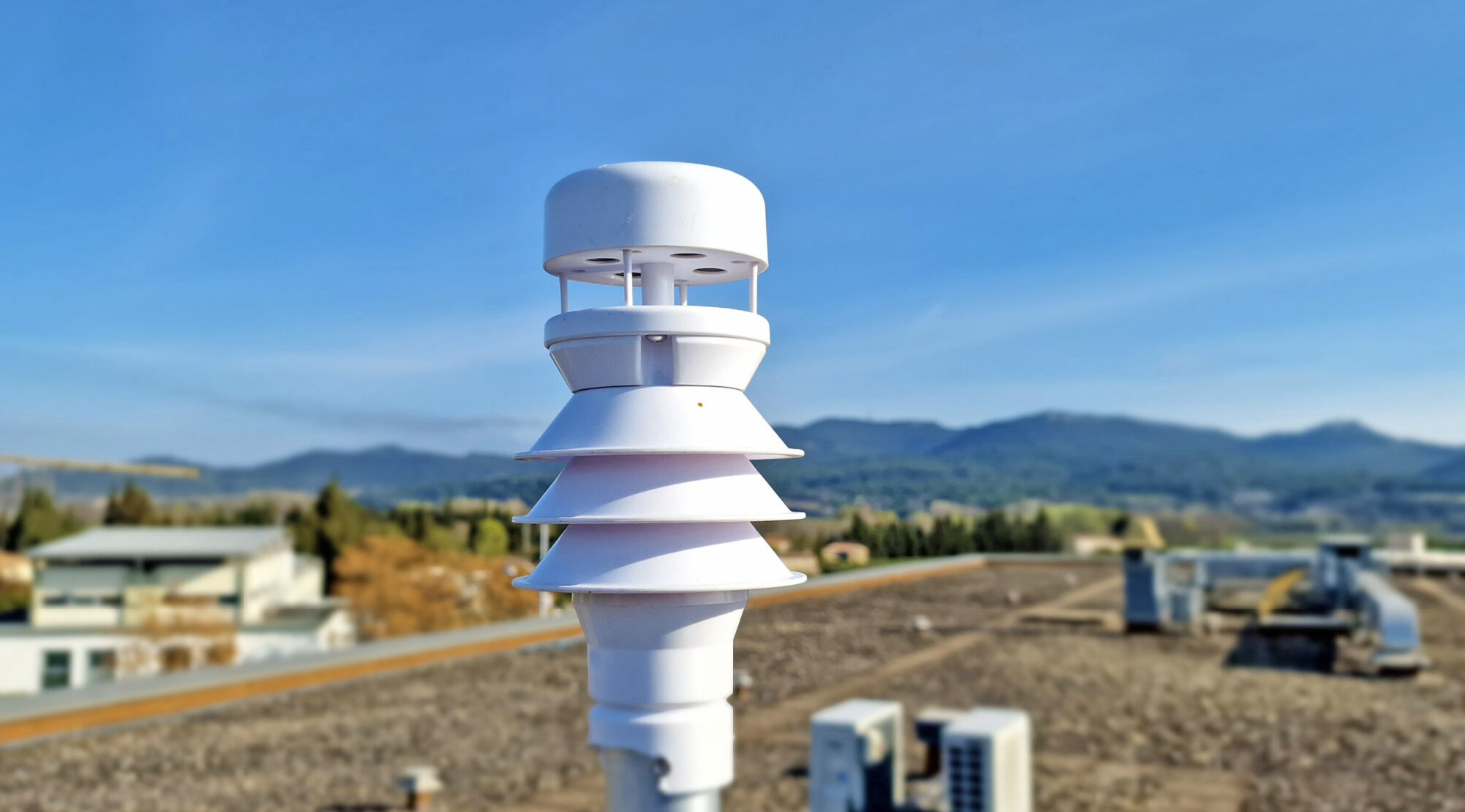
Pollen count measures the concentration of pollen grains per cubic meter of air and indicates allergy severity. In Syracuse, readings are obtained from automated particulate sensors using neural network algorithms to identify individual pollen species. High pollen counts can trigger symptoms including scratchy throat, itchy eyes, runny nose, and potentially dangerous asthma attacks, particularly during the compressed spring season when multiple tree species bloom simultaneously.
Key Pollen Types and Recent Trends in Syracuse
Syracuse's pollen landscape is dominated by three major allergen categories that create distinct seasonal peaks. The city's urban forestry composition, with maple species comprising over 50 percent of the 34,165 inventoried street trees, significantly intensifies spring pollen exposure. Climate change is lengthening the pollen season and increasing pollen counts, with warmer winters causing earlier pollination and more robust allergen production.
- Tree Pollen (Oak, Birch, Maple): Dominates April and May with compressed simultaneous blooming; maple species alone comprise 24.3% Norway maple, 8.9% silver maple, plus sugar and red maple varieties
- Grass Pollen (Timothy, Bluegrass, Orchardgrass): Peaks from May through July with June as the worst month; bluegrass pollen is particularly dangerous for asthmatics
- Ragweed Pollen: The dominant fall allergen from mid-August through October with September as peak month; pollen travels for miles and poses serious risks for COPD patients
- Mold Spores: Major year-round allergen peaking in July-August from humidity and in October from leaf decomposition; Syracuse's lake-effect moisture sustains heavy mold growth
The Onondaga Valley basin geography can trap allergens on calm days, while the city's proximity to Onondaga Lake and extensive surrounding hardwood forests creates ideal conditions for pollen accumulation. The compressed spring phenomenon is particularly critical, as oak, birch, maple, and elm all peak within a few weeks rather than blooming sequentially over months as they do in milder climates.
Seasonal Pollen Patterns in Syracuse
Syracuse's pollen season follows a distinct pattern shaped by the region's extreme winter climate and compressed growing season.
- Spring (Late March to May): Peak allergy period with compressed tree pollen explosion; April and May are the worst months as oak, birch, maple, and elm bloom nearly simultaneously
- Summer (June to August): Dominated by grass pollen peaking in June from Timothy, Kentucky bluegrass, and orchardgrass; mold spores surge in July-August due to heat and humidity
- Fall (September to October): Ragweed dominates from mid-August through first hard frost in late October; September is one of Syracuse's worst allergy months with peak ragweed counts
- Winter (November to March): Longest indoor allergen season with dust mites and mold; Syracuse receives 120+ inches of snow annually, keeping residents indoors with concentrated indoor allergens
Accessing Daily Pollen Data in Syracuse
The Pollen Count & Alerts App provides Syracuse residents with real-time pollen monitoring to navigate the city's intense allergy seasons. Track daily levels of tree, grass, weed, and mold spores specific to Central New York, with data sourced from regional monitoring stations including AAIR (Allergy Asthma Immunology of Rochester), the only pollen counting station serving Syracuse and the Finger Lakes region. Stay informed during critical peak months of April, May, and September when pollen counts reach their highest levels.
Effective Allergy Management Strategies for Syracuse Residents
Managing allergies in Syracuse requires proactive planning during the compressed, high-intensity pollen seasons.
- Use the Pollen Count & Alerts App: Monitor real-time pollen levels and receive alerts to plan outdoor activities during low-pollen times, especially critical during April-May and September peaks
- Improve Indoor Air Quality: Keep windows closed during high pollen days and run air conditioning; particularly important during compressed spring bloom and ragweed season
- Practice Personal Hygiene: Shower and change clothes after outdoor exposure to remove pollen from skin and hair; wash bedding frequently during peak months
- Install HEPA Air Purifiers: Use high-efficiency filters in bedrooms and living spaces to capture pollen and mold spores, essential during Syracuse's humid summers and fall mold surges
- Consult an Allergist: Seek professional care from local specialists at St. Joseph's Health Allergy & Asthma Diagnostic Office or Upstate Medical University Allergy Services for personalized treatment plans
App Features to Enhance Your Allergy Management in Syracuse
The Pollen Count & Alerts App offers comprehensive tools designed specifically to help Syracuse residents navigate the city's unique compressed pollen seasons.
- Real-Time Pollen Counts: Access the latest pollen data specific to Syracuse and Central New York, including tree, grass, weed, and mold spore levels
- Customized Alerts: Receive notifications when pollen levels spike during critical periods like the April-May tree bloom and September ragweed peak
- Accurate Forecasts: Plan your week with reliable pollen predictions based on Syracuse's weather patterns and seasonal trends
- Educational Content: Learn about local allergens including the dominant maple species, ragweed habitat, and mold conditions specific to the Onondaga Valley
- Intuitive Design: Navigate easily through Syracuse-specific data with a user-friendly interface designed for quick daily checks before outdoor activities


Learn More About Managing Seasonal Allergies
- Understanding Allergy Pollen Counts: Your Comprehensive Guide – Discover how to interpret pollen count levels and develop effective strategies to minimize allergy symptoms throughout the year.
- Why Are My Allergies So Bad Right Now? | Pollen Count & Alerts App Blog – Understand the factors that can cause your allergies to suddenly intensify, including climate change impacts and environmental triggers.
- Do Allergies Get Worse as You Age? | Pollen Count & Alerts App Blog – Learn why your body's response to allergens evolves over time and what you can do to adapt your allergy management approach.
Stay updated with the latest tips and insights by visiting the Alert Pollen Blog.
Pollen count in nearby cities
FAQ
When is pollen season in Syracuse, NY?
Pollen season in Syracuse typically runs from late February through October, with the most intense periods occurring in April-May and September. Spring brings a compressed explosion of tree pollen (oak, birch, maple, and elm bloom almost simultaneously in April-May), followed by grass pollen peaking in June-July, and ragweed dominating the fall from mid-August through October. Syracuse's exceptionally long winters compress the outdoor pollen season, resulting in higher-intensity peaks compared to milder climates.
What are the most common allergens in Syracuse, NY?
Syracuse's most common allergens include tree pollen from oak, birch, and maple (which comprises over 50% of the city's street trees) peaking in April-May; grass pollen from Timothy grass, Kentucky bluegrass, and orchardgrass peaking in June-July; and ragweed, the dominant fall allergen, peaking in September. Year-round, residents also face significant exposure to mold spores—particularly in summer and fall due to the area's humid climate and proximity to Onondaga Lake—and dust mites that thrive indoors during Syracuse's snowy winters.
How can I protect myself from Syracuse's intense pollen seasons?
Monitor daily pollen counts through the Pollen Count & Alerts App to plan outdoor activities during lower-count periods, especially during the critical April-May and September peaks. Stay indoors during early morning hours when pollen counts are highest, keep windows closed during peak seasons, and shower after outdoor activities to remove pollen from hair and skin. Given Syracuse's compressed spring season and high ragweed levels in fall, starting allergy medications before symptoms appear can significantly improve your quality of life.
Final Thoughts
Living in Syracuse, NY means navigating one of the most compressed and intense pollen seasons in the northeastern United States, but understanding your local allergen patterns empowers you to take control of your health. From the simultaneous spring tree bloom to the notorious September ragweed peak, knowledge of Syracuse's unique pollen calendar helps you prepare and protect yourself. The Pollen Count & Alerts App provides the real-time, localized information you need to stay ahead of allergy season.
Don't let Syracuse's challenging pollen seasons catch you off guard. Download the Pollen Count & Alerts App today to receive personalized alerts and make informed decisions about your daily activities.
Take Control of Your Allergies Today
The Pollen Count & Alerts App delivers real-time pollen counts specific to Syracuse, personalized alerts based on your sensitivities, and comprehensive forecasts that help you plan your week. Whether you're managing the intense April-May tree pollen peaks or preparing for September's ragweed surge, our app keeps you informed and empowered. Download now and breathe easier all season long.