Buffalo, NY, located in Western New York along the shores of Lake Erie, experiences approximately 8 months of significant pollen exposure annually despite its harsh winters. The combination of lake-effect moisture, heavy snowfall runoff, and increasingly warmer temperatures due to climate change creates surprisingly high pollen counts even with less greenery than southern regions. This guide covers Buffalo's primary allergens, seasonal patterns, peak pollen periods, and effective management strategies to help you navigate the city's challenging allergy landscape.
Understanding Pollen Count in Buffalo, NY
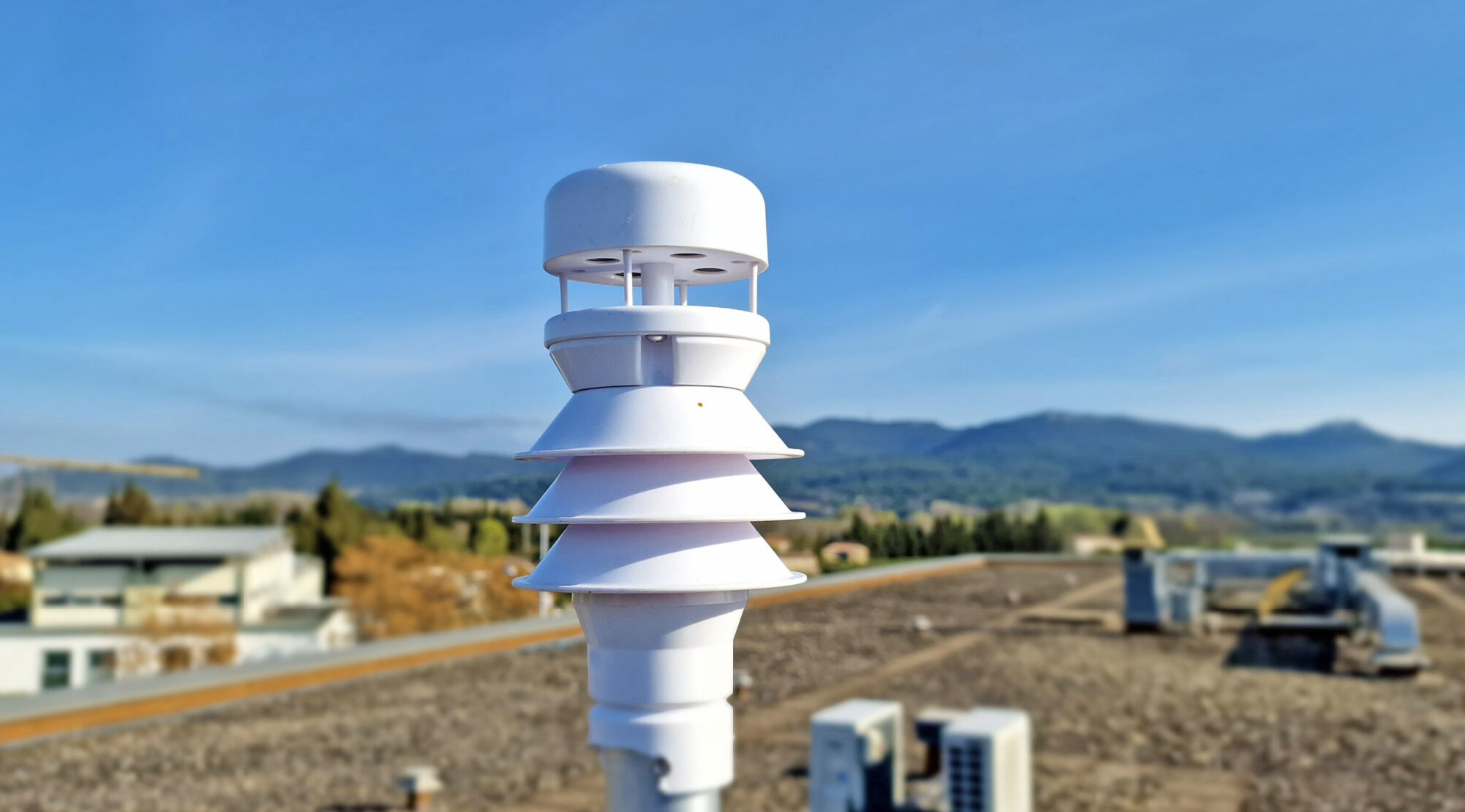
Pollen count measures the concentration of pollen grains per cubic meter of air, typically collected using automated particulate sensors and traditional sampling methods like Burkard traps. When pollen levels are elevated, residents commonly experience sneezing, itchy or watery eyes, runny or stuffy nose, coughing, and asthma exacerbation. Buffalo's unique climate factors, including moisture from snow and dry, windy spring weather, can drive pollen dispersal to significant levels during peak seasons.
Key Pollen Types and Allergen Trends in Buffalo
Buffalo features a rotating roster of allergens throughout most of the year, with three distinct categories dominating different seasons. Tree pollen, led by oak, birch, and maple, peaks in May and represents the primary spring allergen challenge. Timothy grass and Kentucky bluegrass drive the late spring and early summer season in June. Ragweed emerges as the dominant fall allergen from mid-August through September, causing the most problematic symptoms for many Buffalo residents.
- Ragweed Pollen: The primary fall allergen dominating from mid-August through September, causing severe symptoms across Western New York
- Tree Pollen (Oak, Birch, Maple): Peaks in May as the main spring allergen, with high counts driven by Buffalo's moisture-rich climate following heavy snowfall
- Grass Pollen (Timothy, Kentucky Bluegrass): Dominates June and July with widespread distribution in residential lawns and fields throughout the Buffalo area
- Climate Change Impact: Warmer winters are lengthening Buffalo's pollen seasons and increasing overall pollen concentrations beyond the typical March-October window
A counterintuitive local factor affects Buffalo residents: rainy days during pollen season can actually worsen symptoms rather than provide relief. Rain breaks pollen grains into smaller particles, releasing them at higher concentrations and making them more easily inhaled deep into the respiratory system.
Seasonal Pollen Patterns in Buffalo, NY
Buffalo's allergy season spans approximately 8 months with distinct allergen profiles for each period:
- Spring (March to May): Dominated by tree pollen from oak, birch, maple, walnut, hickory, willow, and pine, with peak levels occurring in May
- Summer (June to July): Characterized by grass pollen season with timothy grass, Kentucky bluegrass, ryegrass, fescue, orchard grass, and sweet vernal grass peaking in June
- Fall (August to October): Weed pollen season with ragweed as the primary allergen from mid-August through September, accompanied by wormwood, nettle, and plantain
- Winter (November to February): Low to minimal pollen activity during dormancy period, providing relief for allergy sufferers across the Buffalo region
Access Daily Pollen Data for Buffalo, NY
The Pollen Count & Alerts App provides Buffalo residents with real-time pollen monitoring specific to Western New York conditions. Track daily levels of tree, grass, weed pollen, and mold spores to plan your outdoor activities during low-pollen periods. Receive customized alerts when pollen counts spike so you can take preventive measures before symptoms begin.
Effective Allergy Management Strategies for Buffalo Residents
Implement these evidence-based strategies to minimize allergy symptoms during Buffalo's extended pollen season:
- Use the Pollen Count & Alerts App: Monitor real-time pollen levels specific to Buffalo and receive alerts to plan outdoor activities during low-pollen times
- Improve Indoor Air Quality: Keep windows closed during high pollen days, especially during dry, windy spring weather and peak ragweed season in late summer
- Practice Personal Hygiene: Shower and wash hair before bed to remove pollen particles, and change clothes after outdoor activities to prevent indoor contamination
- Install HEPA Air Purifiers: Use high-efficiency particulate air filters in bedrooms and main living areas to capture pollen particles and reduce indoor allergen exposure
- Consult a Local Allergist: Work with Buffalo-area allergy specialists like Dr. Paul Young, MD for personalized treatment plans including immunotherapy and targeted medications
Enhance Your Allergy Management with Pollen Count & Alerts App Features
The Pollen Count & Alerts App offers comprehensive tools designed specifically to help Buffalo residents manage their allergies throughout the extended 8-month pollen season:
- Real-Time Pollen Counts: Access the latest pollen data specific to Buffalo, NY, with measurements updated throughout the day
- Customized Alerts: Receive personalized notifications when tree, grass, or ragweed pollen levels reach thresholds that trigger your symptoms
- Accurate Forecasts: View 5-day pollen forecasts to plan outdoor activities, exercise routines, and medication schedules in advance
- Educational Content: Learn about Buffalo's specific allergens including oak, birch, timothy grass, and ragweed with expert insights on local conditions
- Intuitive Design: Navigate easily between current conditions, forecasts, and historical data with a user-friendly interface designed for quick daily checks


Explore More on Managing Seasonal Allergies
- Understanding Allergy Pollen Counts: Your Comprehensive Guide – Learn how to interpret pollen count levels and develop effective strategies to minimize your exposure during peak allergy seasons.
- Why Are My Allergies So Bad Right Now? | Pollen Count & Alerts App Blog – Discover the factors that can cause your allergies to intensify unexpectedly, from weather changes to environmental triggers.
- Do Allergies Get Worse as You Age? | Pollen Count & Alerts App Blog – Understand how your body's allergic responses evolve throughout your lifetime and what you can do to adapt your management strategies.
Stay updated with the latest tips and insights by visiting the Alert Pollen Blog.
Pollen count in nearby cities
FAQ
When is pollen season in Buffalo, NY?
Buffalo's pollen season runs from early March through late October, spanning approximately 8 months. Tree pollen peaks in May, grass pollen is highest in June, and ragweed dominates from mid-August through September. The harsh winter months from November to February provide a respite with minimal pollen activity.
What are the most common allergens in Buffalo, NY?
Buffalo's primary allergens include oak, birch, and maple trees in spring (peaking in May), Timothy grass and Kentucky bluegrass in late spring and early summer (peaking in June), and ragweed as the dominant fall allergen from mid-August through September. Other notable contributors include willow, walnut, hickory, ryegrass, fescue, wormwood, nettle, and plantain throughout their respective seasons.
How can I use the Pollen Count & Alerts App to manage my allergies in Buffalo?
The Pollen Count & Alerts App provides real-time pollen counts and personalized alerts specific to Buffalo's climate patterns, helping you plan outdoor activities around peak pollen periods like May's tree pollen surge and the intense ragweed season in late summer. By monitoring daily forecasts, you can take preventive measures on high-count days and adjust your routine to minimize exposure during Buffalo's extended 8-month allergy season.
Final Thoughts
Living with pollen allergies in Buffalo, NY presents unique challenges due to the region's lake-effect moisture, windy springs, and climate change-driven season extensions. However, with comprehensive knowledge of the area's rotating allergen patterns and access to real-time monitoring through the Pollen Count & Alerts App, you can take control of your allergy management. Understanding that Buffalo experiences significant allergen exposure for approximately 8 months each year empowers you to prepare and protect yourself effectively.
Don't let pollen dictate your daily activities in Buffalo. Download the Pollen Count & Alerts App today to receive personalized alerts and stay ahead of tree, grass, and ragweed seasons year-round.
Take Control of Your Allergies Today
The Pollen Count & Alerts App delivers real-time pollen counts tailored to Buffalo's unique climate, personalized alerts for your specific sensitivities, and comprehensive forecasts that help you plan your days with confidence. Whether you're navigating May's tree pollen peak or September's ragweed surge, our app keeps you informed and prepared. Download now and breathe easier this allergy season.