Cleveland, Ohio sits along the shores of Lake Erie in the northeastern part of the state, experiencing a humid continental climate with four distinct seasons. While Cleveland ranks better-than-average among U.S. cities for seasonal allergies and has the lowest ragweed pollen counts of any major Midwest city, residents still face significant pollen challenges from tree, grass, and weed allergens throughout the year. This article explores Cleveland's pollen patterns, peak seasons, local monitoring resources, and effective strategies for managing your allergies in this Great Lakes city.
Understanding Pollen Count in Cleveland
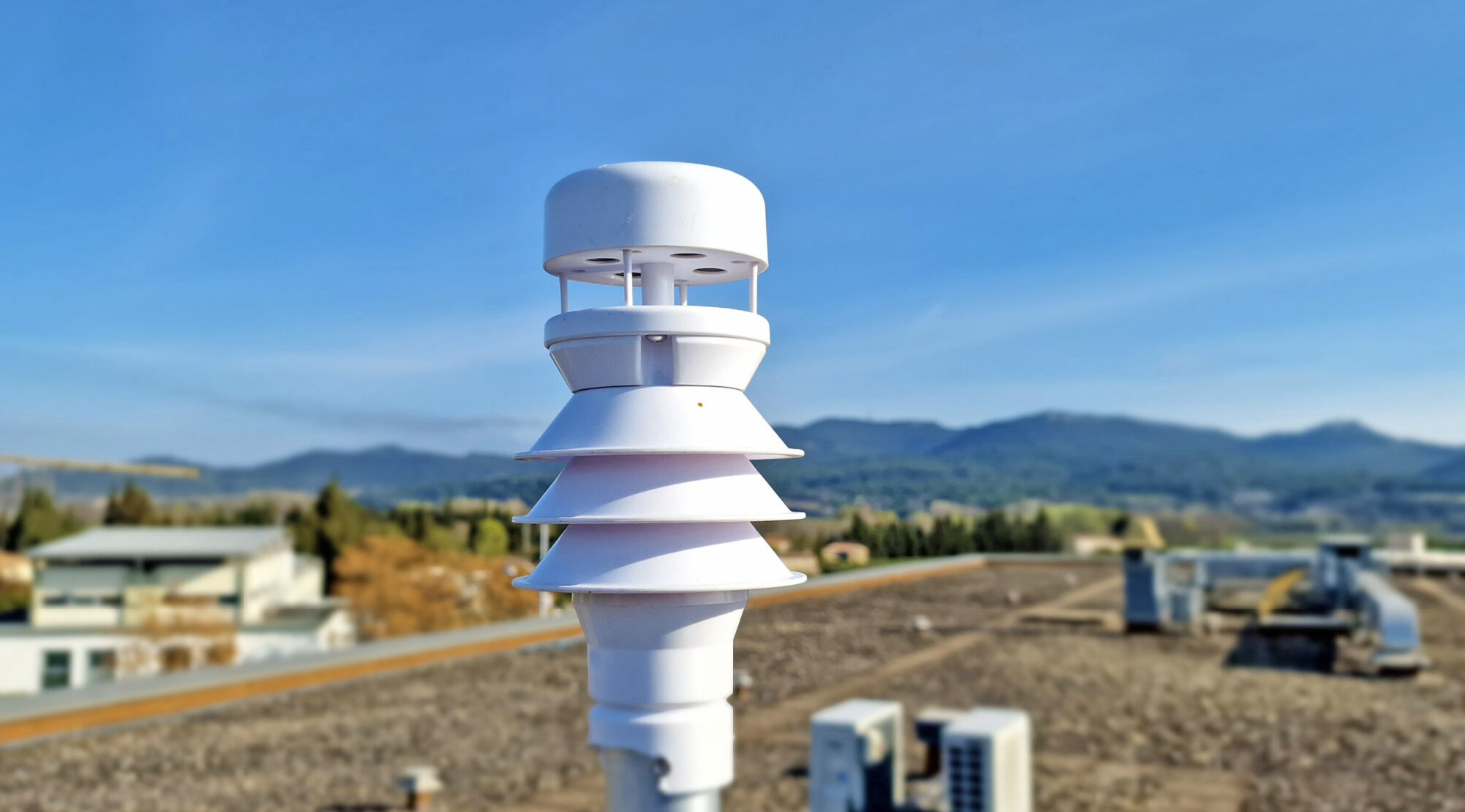
Pollen count measures the concentration of pollen grains per cubic meter of air, collected through automated particulate sensors and neural network algorithms that identify specific pollen species. When pollen counts are high, allergy sufferers commonly experience sneezing, runny nose, nasal congestion, itchy watery eyes, and fatigue. Cleveland's pollen data is monitored by the Academy of Medicine of Cleveland and Northern Ohio, providing residents with real-time and historic pollen information.
Key Pollen Types and Recent Trends in Cleveland
Cleveland's allergy landscape is shaped by three primary pollen categories that peak during different seasons. Tree pollen dominates spring with oak, birch, hickory, maple, and ash as major contributors, with April representing the peak tree pollen month. Grass pollen takes over in summer, particularly Timothy grass, Kentucky bluegrass, and ryegrass peaking in June. Ragweed leads the fall weed pollen season, reaching its highest levels in September despite Cleveland having unusually low ragweed counts compared to other Midwest cities.
- Tree Pollen: Peaks in April with oak, hickory, ash, birch, and maple causing the most problems for Cleveland residents during spring months
- Grass Pollen: Dominates June through July with Timothy grass and Kentucky bluegrass reaching peak concentrations in early summer
- Ragweed Pollen: Begins in late August and continues through November until the first frost, with September marking the most intense fall allergy period
- Climate Change Impact: Longer pollen seasons, increased pollen production, and more allergenic pollen due to higher temperatures and CO2 levels
Climate change is significantly affecting Cleveland's pollen patterns, with spring arriving earlier and extending the overall pollen circulation period. Plants are producing not only more pollen but also more potent allergenic pollen in response to environmental changes. Cleveland's dense urban tree canopy, particularly neighborhoods with high concentrations of oak, pine, and maple, experience elevated pollen levels during blooming seasons, while Lake Erie's proximity may influence humidity and pollen dispersal patterns throughout the region.
Seasonal Pollen Patterns in Cleveland
Cleveland experiences distinct pollen seasons throughout the year with varying allergen types.
- Spring (March to May): Dominated by tree pollen with oak, birch, maple, hickory, and ash peaking in April as the worst month for tree allergens
- Summer (June to August): Characterized by grass pollen from Timothy grass, Kentucky bluegrass, and ryegrass reaching peak levels in June with early weed pollen starting in late summer
- Fall (September to November): Ruled by ragweed and other weed pollens with September representing the peak month and continuing until the first frost in November
- Winter (December to February): Minimal pollen activity with allergy season beginning again in late February as early tree pollen starts to emerge
Access Daily Pollen Data for Cleveland
The Pollen Count & Alerts App provides Cleveland residents with comprehensive daily pollen monitoring specific to your location. Track real-time pollen levels for tree, grass, weed, and mold spores to plan your outdoor activities during low-pollen times. With accurate forecasts and customized alerts, you can stay informed and take proactive steps to minimize allergy symptoms throughout the year.
Effective Allergy Management Strategies for Cleveland Residents
Managing pollen allergies in Cleveland requires a proactive approach and these practical strategies.
- Use the Pollen Count & Alerts App: Monitor real-time pollen levels and receive alerts to plan outdoor activities during low-pollen times, especially avoiding 5-10 AM when trees release most pollen
- Maintain Indoor Air Quality: Keep windows closed during high pollen days and use air conditioning with clean filters to prevent outdoor allergens from entering your home
- Practice Good Personal Hygiene: Shower and change clothes after spending time outdoors to remove pollen from skin and hair, and wash bedding regularly in hot water
- Install HEPA Air Purifiers: Use high-efficiency particulate air filters in bedrooms and main living areas to capture airborne pollen and other allergens
- Consult an Allergist: Work with a healthcare professional to develop a personalized treatment plan including antihistamines, nasal sprays, or immunotherapy for severe allergies
App Features to Enhance Your Allergy Management
The Pollen Count & Alerts App offers comprehensive features designed to help Cleveland residents manage their allergies effectively.
- Real-Time Pollen Counts: Access the latest pollen data specific to Cleveland with detailed breakdowns for tree, grass, weed, and mold spore levels
- Customized Alerts: Receive personalized notifications when pollen levels rise above your threshold so you can take preventive measures before symptoms start
- Accurate Forecasts: View multi-day pollen forecasts to plan ahead for outdoor activities, travel, and medication needs during peak pollen seasons
- Educational Content: Learn about specific allergens affecting Cleveland, including oak, ragweed, and grass pollens, and discover effective management strategies
- Intuitive Design: Navigate an easy-to-use interface that provides quick access to current conditions, forecasts, and historical pollen data for Cleveland


Learn More About Managing Your Seasonal Allergies
- Understanding Allergy Pollen Counts: Your Comprehensive Guide – Discover how to interpret pollen count levels and implement effective strategies to minimize your exposure during Cleveland's peak allergy seasons.
- Why Are My Allergies So Bad Right Now? | Pollen Count & Alerts App Blog – Understand the factors—including climate change and environmental conditions—that can cause your allergy symptoms to intensify unexpectedly.
- Do Allergies Get Worse as You Age? | Pollen Count & Alerts App Blog – Explore how your body's immune response to pollen evolves throughout your lifetime and what to expect as you age.
Stay updated with the latest tips and insights by visiting the Alert Pollen Blog.
Pollen count in nearby cities
FAQ
When is pollen season in Cleveland, OH?
Pollen season in Cleveland typically runs from late February through November, with three distinct peaks throughout the year. Tree pollen dominates from March through May, with April being the most intense month for oak, birch, maple, and hickory. Grass pollen takes over from May through July, peaking in June, followed by weed pollen—particularly ragweed—from late August through October, with September bringing the highest fall allergen levels.
What are the most common allergens in Cleveland, OH?
Cleveland's most problematic allergens vary by season, with oak, hickory, ash, birch, maple, and willow trees causing the most issues during spring (peaking in April). In summer, Timothy grass, Kentucky bluegrass, and ryegrass dominate from May through July, with June seeing the highest grass pollen counts. Fall brings ragweed—Cleveland's most notorious allergen—along with mugwort, sagebrush, and lamb's quarters, with ragweed reaching peak levels throughout September and continuing until the first frost in November.
How can I protect myself from pollen in Cleveland and use the app effectively?
Monitor the Pollen Count & Alerts App daily, especially during Cleveland's peak months (April, June, and September), and plan outdoor activities for afternoons when pollen levels drop, avoiding the 5-10 AM window when trees release most of their pollen. Set personalized alerts for your specific allergens to receive advance warnings on high-pollen days, allowing you to take preventive measures like closing windows, wearing sunglasses outdoors, and taking antihistamines before symptoms start.
Final Thoughts
Living in Cleveland means navigating three distinct pollen seasons throughout the year, but understanding when oak, grass, and ragweed peak gives you the power to take control of your allergies. With the Pollen Count & Alerts App, you'll have access to real-time monitoring data from local sources like the Academy of Medicine of Cleveland & Northern Ohio, helping you plan your days around Cleveland's unique pollen patterns.
Download the Pollen Count & Alerts App today to receive personalized alerts tailored to Cleveland's specific allergens and never be caught off guard during peak pollen days again.
Take Control of Your Allergies Today
The Pollen Count & Alerts App provides real-time pollen counts specific to Cleveland, personalized alerts for oak, grass, and ragweed based on your sensitivities, and comprehensive 5-day forecasts to help you plan ahead. Whether you're dealing with spring tree pollen, summer grasses, or fall ragweed, stay one step ahead of your allergies with accurate, location-specific data at your fingertips.