Pittsburgh, Pennsylvania sits among rolling hills and valleys at the confluence of three rivers, creating unique microclimates that trap pollen in concentrated pockets throughout the city. The region experiences significant tree, grass, and weed pollen seasons compounded by some of the worst air pollution levels in the United States, which causes plants to release more allergens and intensifies allergic reactions. This guide covers Pittsburgh's specific pollen types, seasonal patterns, peak periods, and practical strategies to help residents manage their allergy symptoms throughout the year.
Understanding Pollen Count Levels in Pittsburgh
Pollen count measures the concentration of pollen grains per cubic meter of air, with levels classified as low (1-20 grains/m³), moderate (21-80 grains/m³), or high (81-200 grains/m³). When pollen counts rise, allergy sufferers commonly experience sneezing, watery eyes, nasal congestion, respiratory discomfort, and asthma triggers. Pittsburgh's unique topography creates pollen pockets where certain neighborhoods experience significantly higher concentrations based on elevation and valley positioning.
Key Pollen Types and Recent Trends in Pittsburgh
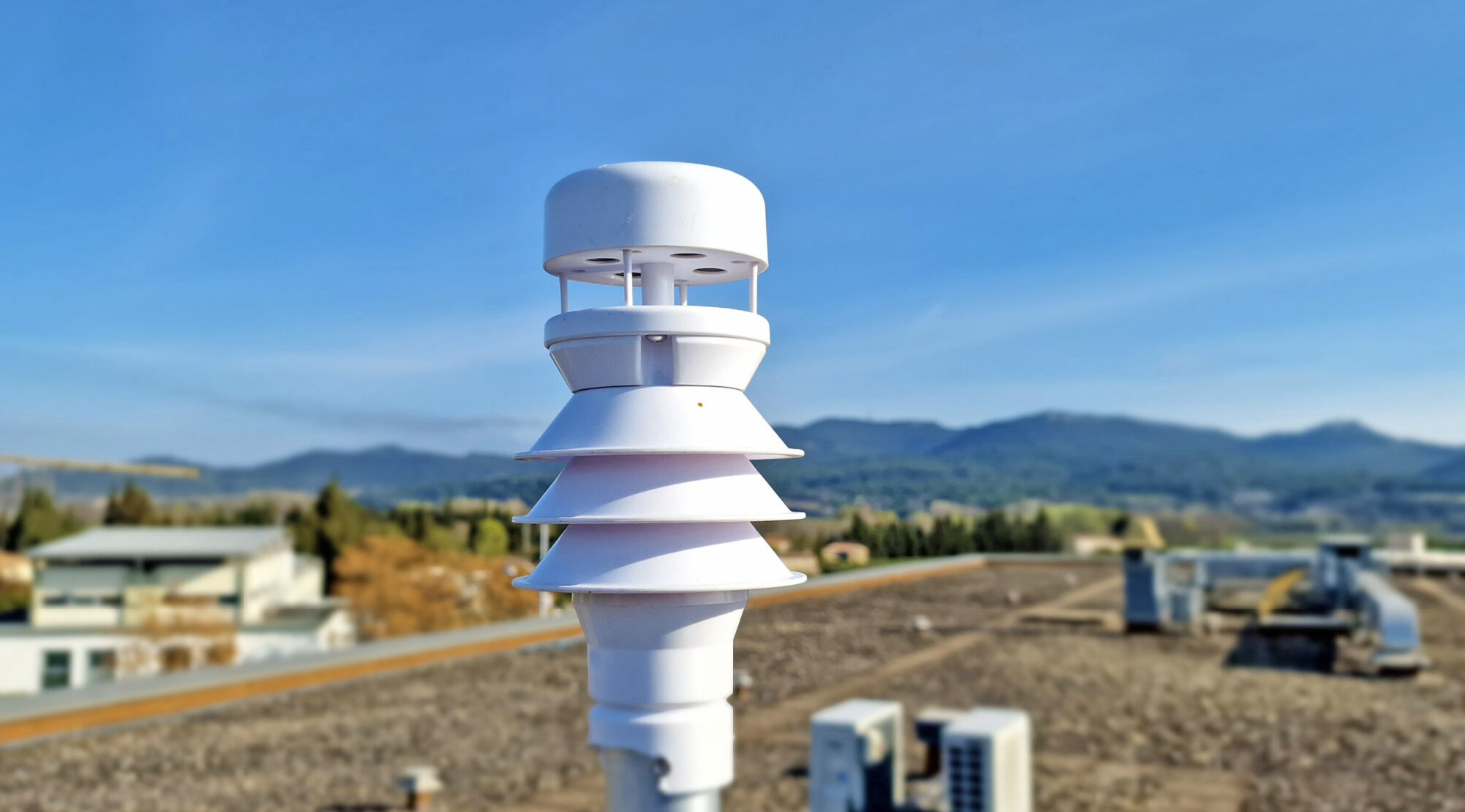
Pittsburgh residents face three distinct pollen seasons with increasingly intense and prolonged periods due to climate change impacts. According to data from Pollen Sense, LLC automated sensors collected between February 2022 and May 2023, the region experiences substantial pollen loads across tree, grass, and weed categories, with 2024 showing particularly hyperactive weed pollen seasons.
- Tree Pollen: Dominated by oak, maple, pine, and birch species with peak concentrations occurring during April and May, affecting residents from late February through late June
- Grass Pollen: Northern grasses including timothy, bent grass, and fescue produce intense summer pollen, with peak levels around early July during Independence Day
- Ragweed Pollen: The most significant fall allergen producing hyperactive pollen seasons, peaking in mid-September and extending through November
- Air Pollution Impact: Pittsburgh's severe air quality problems cause plants to absorb pollutants and release more allergens, creating more intense allergic reactions beyond typical pollen responses
Climate change has extended Pittsburgh's allergy seasons significantly, making symptoms hit harder and last longer than in previous decades. The combination of urbanization, geography, and air pollution creates complex pollen dynamics unique to the Pittsburgh region, with the city previously ranking as high as #5 most challenging for allergies by the Asthma and Allergy Foundation of America.
Seasonal Pollen Patterns Throughout the Year
Pittsburgh experiences three primary pollen seasons with distinct peak periods and allergen profiles:
- Spring (Late February to Late June): Dominated by tree pollen from oak, maple, pine, birch, hickory, ash, willow, walnut, mulberry, alder, elm, cottonwood, poplar, sycamore, and white ash, with peak concentrations in April and May
- Summer (June to August): Characterized by grass pollen from northern species including timothy grass, bent grass, fescue, sweet vernal, Kentucky bluegrass, and perennial ryegrass, peaking in early July around Independence Day
- Fall (August to November): Led by ragweed as the dominant allergen along with goldenrod, sagebrush, lamb's quarters, mugwort, amaranth, Russian thistle, sheep sorrel, and nettle, with peak levels in mid-September
- Winter (December to February): Generally low pollen activity with minimal tree, grass, or weed pollen, offering relief for most allergy sufferers before the late February tree pollen season begins
Access Real-Time Daily Pollen Data for Pittsburgh
The Pollen Count & Alerts App provides Pittsburgh residents with accurate, real-time pollen monitoring specific to your location and neighborhood microclimate. Track daily levels of tree, grass, weed, and mold spores with automated updates from local sensors throughout Allegheny County. Stay informed about pollen peaks during morning hours (5-10 AM) and plan your outdoor activities during evening periods when pollen levels naturally drop.
Effective Strategies for Managing Pollen Allergies in Pittsburgh
Implement these evidence-based strategies to reduce allergy symptoms and improve your quality of life during pollen seasons:
- Use the Pollen Count & Alerts App: Monitor real-time pollen levels and receive customized alerts to plan outdoor activities during low-pollen times, especially avoiding morning hours when concentrations peak
- Improve Indoor Air Quality: Keep windows closed during high pollen days, run air conditioning with clean filters, and vacuum frequently to remove pollen particles that enter your home
- Practice Personal Hygiene: Shower and wash hair before bed to remove pollen accumulated during the day, change clothes after outdoor activities, and avoid hanging laundry outside to dry
- Install HEPA Air Purifiers: Use high-efficiency particulate air filters in bedrooms and main living spaces to capture pollen particles and reduce indoor allergen exposure
- Consult a Board-Certified Allergist: Work with a specialist to identify your specific allergen triggers through testing and develop a personalized treatment plan including medications or immunotherapy
Enhanced Allergy Management with Pollen Count & Alerts App Features
The Pollen Count & Alerts App offers comprehensive tools designed specifically to help Pittsburgh residents navigate the city's complex pollen environment:
- Real-Time Pollen Counts: Access the latest pollen data specific to your Pittsburgh neighborhood, accounting for the city's unique hill and valley microclimates
- Customized Pollen Alerts: Receive personalized notifications when pollen levels for your specific allergens reach high or moderate concentrations in your area
- Accurate Multi-Day Forecasts: Plan ahead with detailed predictions for tree, grass, weed, and mold spore levels across upcoming days and weeks
- Educational Allergy Content: Learn about Pittsburgh's specific pollen types, seasonal patterns, peak periods, and air quality impacts on allergic reactions
- Intuitive User-Friendly Design: Navigate easily through pollen data, forecasts, and alerts with a clean interface designed for quick daily reference


Explore More on Managing Seasonal Allergies
- Understanding Allergy Pollen Counts: Your Comprehensive Guide – Learn how to interpret pollen count levels and develop effective strategies to minimize your exposure throughout Pittsburgh's extended allergy seasons.
- Why Are My Allergies So Bad Right Now? | Pollen Count & Alerts App Blog – Discover the reasons behind sudden increases in allergy severity, including how Pittsburgh's air pollution compounds typical pollen reactions.
- Do Allergies Get Worse as You Age? | Pollen Count & Alerts App Blog – Understand how your body's response to allergens like ragweed and oak pollen may shift as you age and what you can do to adapt.
Stay updated with the latest tips and insights by visiting the Alert Pollen Blog.
Pollen count in nearby cities
FAQ
When is pollen season in Pittsburgh, PA?
Pollen season in Pittsburgh runs from late February through November, with peak months in April, May, June, and September. Tree pollen dominates from late February to late June (peaking in April-May), grass pollen takes over from June to August (peaking in early July), and weed pollen, particularly ragweed, arrives from August through November (peaking in mid-September). Daily pollen levels are typically highest during morning hours (5-10 AM) and lowest in the evening or after rainfall.
What are the most common allergens in Pittsburgh, PA?
The most common allergens in Pittsburgh include tree pollen from Oak, Maple, Pine, Birch, Hickory, Ash, and Willow (peaking April-May), grass pollen from Timothy grass, Bent grass, Fescue, and Sweet vernal (peaking early July), and weed pollen dominated by Ragweed along with Goldenrod and Mugwort (peaking mid-September). Ragweed is the most significant allergen during fall, while Oak and Maple are primary spring culprits. Pittsburgh's unique hills and valleys create pollen "pockets" with varying concentrations across different neighborhoods, and the city's significant air pollution intensifies allergic reactions by causing plants to release even more allergens.
How can I protect myself from Pittsburgh's unique pollen challenges?
Given Pittsburgh's hills, valleys, and air pollution that create intense pollen pockets, it's essential to check daily pollen forecasts for your specific neighborhood using the Pollen Count & Alerts App. Stay indoors during peak pollen hours (5-10 AM), especially on dry, windy days, and take advantage of post-rain periods when pollen levels are temporarily reduced. The combination of geography and pollution makes Pittsburgh's pollen particularly problematic, so personalized alerts can help you plan outdoor activities during lower-risk times.
Final Thoughts
Living in Pittsburgh means navigating one of the longest pollen seasons in the country, compounded by the city's unique topography and air quality challenges. However, armed with knowledge about peak allergen periods, specific pollen types, and how local geography affects pollen distribution, you can take proactive steps to minimize symptoms. The Pollen Count & Alerts App provides the real-time, neighborhood-specific data you need to stay ahead of Pittsburgh's challenging allergy landscape.
Don't let pollen control your life—download the Pollen Count & Alerts App today and take charge of your allergy management with personalized forecasts tailored to Pittsburgh's unique conditions.
Take Control of Your Allergies Today
The Pollen Count & Alerts App offers real-time pollen counts specific to Pittsburgh neighborhoods, personalized alerts based on your allergen sensitivities, and comprehensive forecasts covering tree, grass, and weed pollen throughout the year. Whether you're dealing with spring oak pollen or fall ragweed, get the localized information you need to breathe easier. Download the app now and start managing your allergies with confidence.