Allentown, Pennsylvania sits in the Great Appalachian Valley, locally known as the Lehigh Valley, between Blue Mountain and South Mountain. This unique geography creates a natural pollen trap where allergens from trees, grasses, and weeds accumulate in the valley floor, compounded by high summer humidity and fertile soils. Ranked #11 in the nation by the Asthma and Allergy Foundation of America's Allergy Capitals report, Allentown experiences one of the most challenging allergy environments in the United States. This guide covers pollen types, seasonal patterns, daily monitoring resources, and practical strategies to help residents manage allergies throughout the extended eight-month pollen season.
Understanding Pollen Count in Allentown
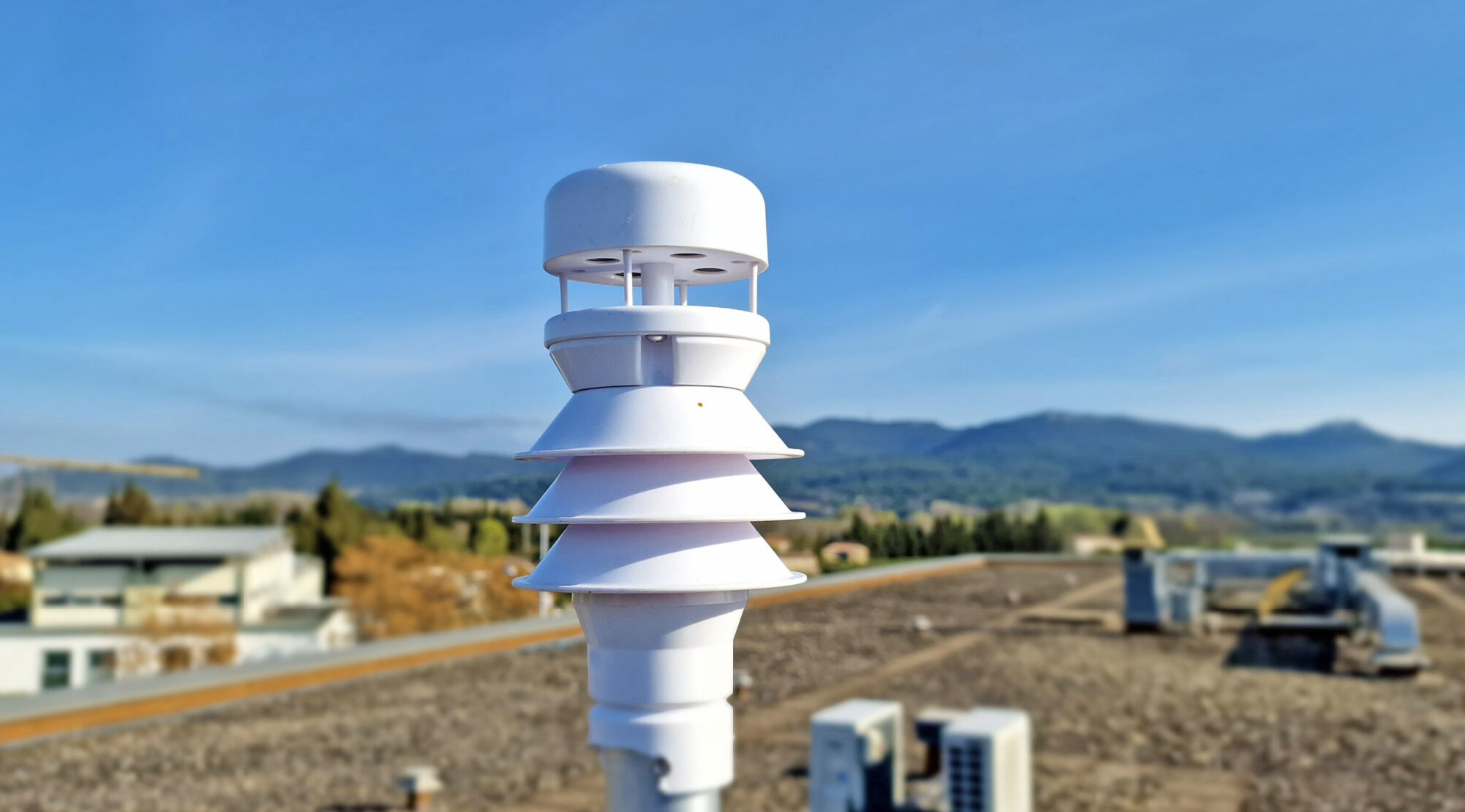
Pollen count measures the concentration of pollen grains per cubic meter of air, with data collected locally through Pollen Sense automated particulate sensors using neural network algorithms. When pollen levels are high, allergy sufferers typically experience symptoms including sneezing, runny or stuffy nose, itchy eyes, throat irritation, coughing, and asthma exacerbations. Pollen counts in Allentown typically rise in early morning, peak by midday or early afternoon, and are highest during dry, windy conditions.
Key Pollen Types and Allergen Trends in Allentown
Allentown's position as the 11th worst allergy city in America reflects the severity of its three major pollen seasons. Oak species including red oak, white oak, pin oak, and chestnut oak dominate the spring tree pollen season, while timothy grass, ryegrass, and Kentucky bluegrass drive summer allergen levels. Ragweed stands as the most clinically significant fall allergen, thriving in disturbed soil zones created by development throughout the valley.
- Oak Pollen: The dominant tree allergen in spring, with multiple oak species releasing overlapping waves of pollen from late March through May
- Ragweed Pollen: The most clinically significant fall allergen, thriving in agricultural margins and disturbed soil throughout the Lehigh Valley from mid-August through mid-October
- Grass Pollen: Timothy grass, ryegrass, and bluegrass create peak allergen levels in June, with continued high counts through early August
- Birch Pollen: Highly allergenic spring tree pollen that cross-reacts with certain fruits and vegetables, causing oral allergy syndrome in sensitive individuals
The valley's parallel Appalachian ridges trap pollen close to ground level through morning temperature inversions, preventing allergens from dispersing upward. Dense mixed hardwood forests on surrounding ridges release massive pollen loads, while the Lehigh River corridor adds riparian tree pollen and humidity. Summer humidity averaging over 70 percent sustains mold growth that compounds pollen effects, and April rainfall promotes mold that overlaps with peak tree pollen exposure.
Seasonal Pollen Patterns in the Lehigh Valley
Allentown experiences an extended allergy season running from February through October, with distinct pollen types dominating each period.
- Spring (February to May): Dominated by tree pollen with maple blooming early in February-March, followed by peak tree pollen season in April when oak, birch, hickory, ash, walnut, willow, and pine release overlapping allergen loads
- Summer (June to August): Peak grass pollen in June from timothy grass, ryegrass, Kentucky bluegrass, bermuda grass, fescue, and orchard grass, with late May to early June creating maximum allergen diversity as tree and grass pollen overlap
- Fall (September to October): Ragweed and weed pollen season from mid-August through mid-October, with September representing peak weed pollen levels from ragweed, mugwort, pigweed, lamb's quarters, plantain, and amaranth
- Winter (November to January): Minimal outdoor pollen activity, though indoor allergens including mold, dust mites, and pet dander remain active
Access Daily Pollen Data for Allentown
The Pollen Count & Alerts App provides real-time pollen monitoring specifically for Allentown and the Lehigh Valley, tracking tree, grass, weed, and mold spore levels throughout the day. Receive customized alerts when pollen counts rise so you can plan outdoor activities during low-pollen times and take preventive measures before symptoms worsen. Daily forecasts help you stay ahead of allergen exposure during the extended February through October pollen season.
Effective Allergy Management Strategies for Allentown Residents
Managing allergies in the 11th worst allergy city in America requires proactive strategies throughout the extended pollen season.
- Use the Pollen Count & Alerts App: Monitor real-time pollen levels specific to Allentown and receive alerts to plan outdoor activities during low-pollen times, especially avoiding midday and early afternoon when counts peak
- Improve Indoor Air Quality: Keep windows closed during high pollen days, particularly dry and windy conditions, and run air conditioning with clean filters to create a pollen-free indoor environment
- Practice Personal Hygiene: Shower and wash hair before bed to remove pollen accumulated during the day, change clothes after outdoor activities, and remove shoes at the door to prevent tracking allergens inside
- Install HEPA Air Purifiers: Use high-efficiency particulate air filters in bedrooms and main living areas to remove pollen, mold spores, and other airborne allergens, especially important during April and September peak months
- Consult an Allergist: Seek professional evaluation for testing and treatment options including immunotherapy, particularly if you experience symptoms throughout the eight-month pollen season from February through October
Pollen Count & Alerts App Features for Enhanced Allergy Management
The Pollen Count & Alerts App offers comprehensive tools designed specifically to help Allentown residents navigate one of the nation's most challenging allergy environments.
- Real-Time Pollen Counts: Access the latest pollen data specific to Allentown and the Lehigh Valley, with measurements updated throughout the day as levels rise from morning through midday peaks
- Customized Allergy Alerts: Receive personalized notifications when pollen levels for your specific allergens reach high or very high thresholds, allowing you to take preventive action before symptoms begin
- Accurate Pollen Forecasts: View multi-day forecasts for tree, grass, and weed pollen to plan outdoor activities during the extended February through October allergy season
- Educational Allergy Content: Learn about oak, ragweed, grass pollen, and other Lehigh Valley allergens, including cross-reactivity information for birch pollen and oral allergy syndrome management
- Intuitive User Interface: Navigate easily between current conditions, forecasts, and alerts with a clean design that delivers critical pollen information when you need it most


Explore More on Managing Seasonal Allergies
- Understanding Allergy Pollen Counts: Your Comprehensive Guide – Learn how pollen counts are measured and what different pollen levels mean for your daily allergy management strategy.
- Why Are My Allergies So Bad Right Now? | Pollen Count & Alerts App Blog – Discover the reasons why your allergies might suddenly intensify, including climate changes, new allergen exposures, and shifts in immune response.
- Do Allergies Get Worse as You Age? | Pollen Count & Alerts App Blog – Understand how allergies evolve throughout your life, from childhood sensitivities to adult-onset allergies and changes in severity over time.
Stay updated with the latest tips and insights by visiting the Alert Pollen Blog.
Pollen count in nearby cities
FAQ
When is pollen season in Allentown, PA?
Pollen season in Allentown runs from February through October, spanning more than 8 months of the year. Tree pollen dominates from late March through May with April being the worst month, particularly for oak, maple, and birch. Grass pollen peaks in June, while ragweed and weed pollen create a second severe season from mid-August through mid-October, with September being the peak fall allergy month.
What are the most common allergens in Allentown, PA?
Oak trees are the dominant allergen in Allentown during spring, along with maple, birch, hickory, and ash. During summer, Timothy grass, ryegrass, and Kentucky bluegrass are the primary culprits. In fall, ragweed is the most clinically significant allergen, accompanied by mugwort, pigweed, and other weeds. Allentown's position in the Lehigh Valley between mountain ridges creates a natural pollen trap, making it the 11th worst city in the United States for seasonal allergies.
How can I use the Pollen Count & Alerts App to manage my allergies in Allentown?
The Pollen Count & Alerts App provides real-time pollen counts specific to Allentown's zip code, helping you plan outdoor activities on days when pollen levels are lower. Set personalized alerts for the specific allergens that affect you most—whether oak, grass, or ragweed—so you can take preventive medication before symptoms start. The app's 5-day forecasts are especially valuable during Allentown's extended allergy season and during overlap periods like late May to early June when both tree and grass pollen peak simultaneously.
Final Thoughts
Living in Allentown means facing one of the most challenging allergy environments in the United States, with pollen season lasting from February through October. However, armed with knowledge about local allergens and their peak periods, you can take control of your symptoms. The Pollen Count & Alerts App gives you the real-time data and personalized forecasts you need to navigate Allentown's unique pollen landscape with confidence.
Don't let Allentown's position as the 11th worst allergy city in America keep you indoors. Download the Pollen Count & Alerts App today and start managing your allergies proactively with location-specific insights tailored to the Lehigh Valley.
Take Control of Your Allergies Today
The Pollen Count & Alerts App delivers real-time pollen counts for Allentown, personalized alerts for oak, grass, ragweed, and other local allergens, and comprehensive 5-day forecasts to help you plan ahead. Whether you're dealing with April's peak tree pollen or September's ragweed surge, stay one step ahead of your symptoms. Download the app now and breathe easier all season long.