Henderson, Nevada sits in the Mojave Desert's Las Vegas Valley, where warm temperatures and urban landscaping create unique allergy challenges. Despite the desert climate, the city experiences two distinct allergy seasons with high pollen counts from non-native ornamental trees, Bermuda grass lawns, and ragweed. This guide covers Henderson's pollen types, seasonal patterns, recent statistics, and strategies to manage allergies effectively throughout the year.
Understanding Pollen Count in Henderson
Pollen count measures the concentration of pollen grains per cubic meter of air over a 24-hour period. When counts exceed moderate levels, allergy sufferers commonly experience sneezing, runny nose, itchy eyes, congestion, coughing, and asthma exacerbation. Henderson's dry, windy climate keeps pollen airborne longer and dries nasal passages, often intensifying allergic reactions.
Key Pollen Types and Recent Trends in Henderson
UNLV pollen monitoring from 2020-2023 recorded an annual average of 130 grains per cubic meter across the Las Vegas Valley, with tree pollen as the greatest contributor. Henderson's allergen profile reflects decades of urban development that transformed desert into landscaped neighborhoods filled with highly allergenic ornamental species. The Las Vegas-Henderson metro area now ranks among the top 35 worst U.S. cities for allergy sufferers according to the Asthma and Allergy Foundation of America.
- Tree Pollen: Dominates spring with peak concentrations in March from oak, ash, mulberry, olive, juniper, and mountain cedar despite the 1991 ban on new mulberry and olive plantings
- Bermuda Grass Pollen: Peaks in May as the most dominant grass allergen, extensively used across Henderson's lawns, parks, and 60-plus regional golf courses
- Ragweed Pollen: Generates intense fall concentrations from late August through October, with Henderson experiencing a unique dual-season ragweed presence in both spring and fall
- Desert Dust Particulates: Triggers respiratory symptoms year-round in this low-humidity environment, exacerbating allergic reactions even in non-allergic individuals
Climate change is extending Henderson's allergy seasons beyond historical norms, with trees now pollinating weeks earlier in February rather than late spring. Rising temperatures and CO₂ levels increase both pollen production and potency, creating longer and more intense allergy seasons than previous decades.
Seasonal Pollen Patterns in Henderson
Henderson experiences distinct allergy seasons driven by desert climate and urban landscaping:
- Spring (February to May): Highest tree pollen season with peak concentrations in March and April from oak, ash, pine, juniper, mulberry, and olive, transitioning to grass pollen by May
- Summer (May to July): Dominated by Bermuda grass pollen peaking in May and June, followed by a genuine low-allergen break in late July and early August when extreme heat above 100°F suppresses pollen production
- Fall (Late August to November): Most intense weed pollen activity with ragweed and sagebrush peaking in September and October, ranking among the worst months for allergy sufferers
- Winter (December to January): Provides significant relief with the lowest pollen levels of the year, offering a genuine break from seasonal allergies
Accessing Daily Pollen Data in Henderson
The Pollen Count & Alerts App delivers real-time pollen monitoring specifically for Henderson and the Las Vegas Valley. Track daily concentrations of tree, grass, weed pollen, and mold spores with location-specific data. Receive customized alerts during high-pollen days to plan outdoor activities and medication timing effectively.
Effective Allergy Management Strategies for Henderson Residents
Managing allergies in Henderson's dry, windy desert environment requires proactive strategies:
- Use the Pollen Count & Alerts App: Monitor real-time pollen levels and receive alerts to plan outdoor activities during low-pollen times and adjust medication accordingly
- Improve Indoor Air Quality: Keep windows closed during high-pollen periods, especially on warm, dry, windy afternoons when pollen counts peak
- Practice Personal Hygiene: Shower and change clothes after outdoor exposure to remove pollen from skin and hair, and rinse nasal passages with saline to combat dry air
- Install HEPA Air Purifiers: Use high-efficiency particulate air filters in bedrooms and living areas to capture pollen and desert dust particulates indoors
- Consult an Allergist: Seek professional evaluation for persistent symptoms, especially during Henderson's dual spring and fall allergy peaks, to explore immunotherapy and prescription options
App Features to Enhance Your Allergy Management
The Pollen Count & Alerts App offers comprehensive tools designed specifically for Henderson's unique dual-season allergy challenges:
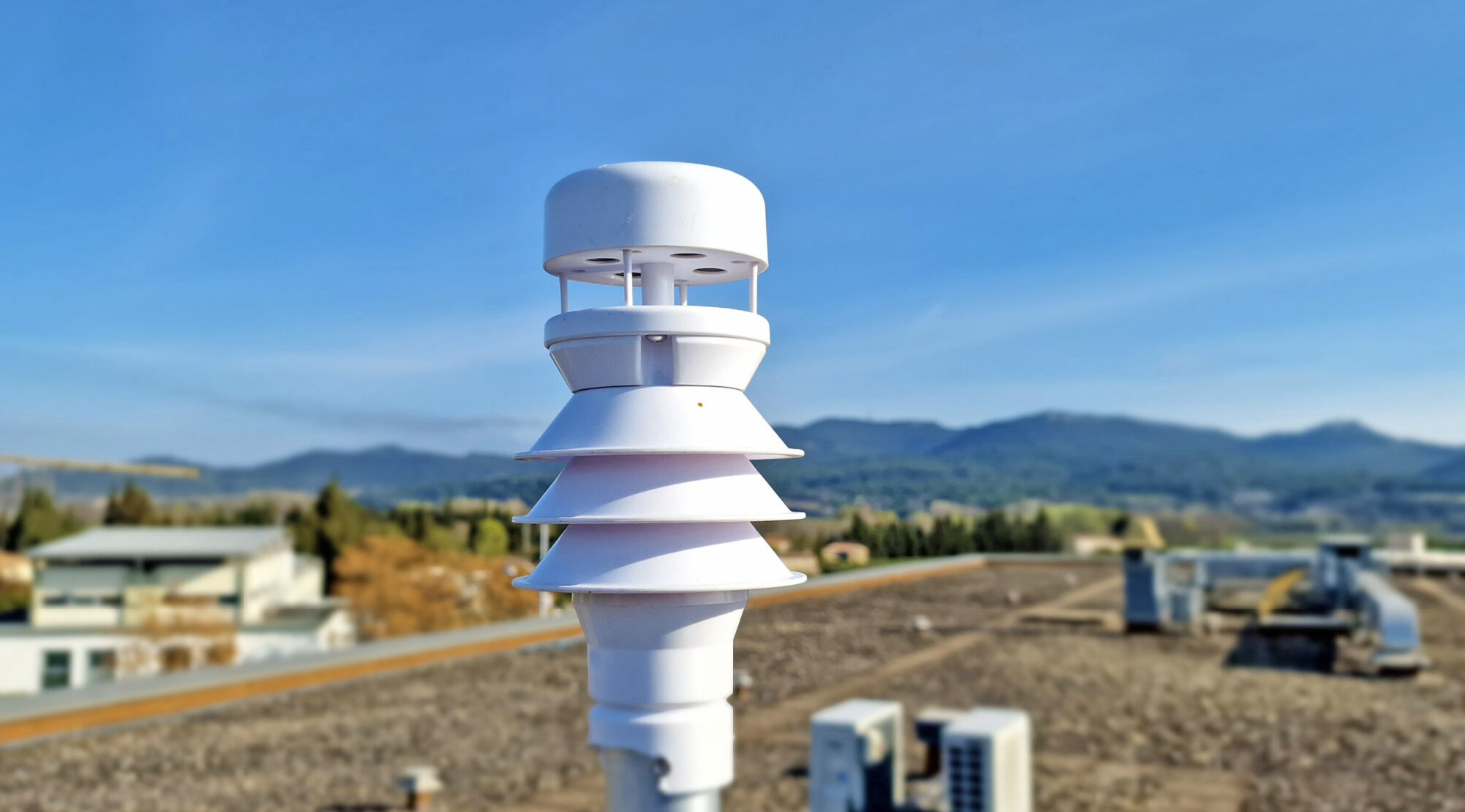
- Real-Time Pollen Counts: Access the latest pollen data specific to Henderson with automated sensors tracking tree, grass, and weed pollen concentrations
- Customized Alerts: Receive notifications when pollen levels rise in your area, helping you prepare for high-count days during March, April, September, and October peaks
- Accurate Forecasts: View multi-day pollen forecasts to plan outdoor activities around Henderson's seasonal patterns and extreme weather fluctuations
- Educational Content: Learn about local allergens including Bermuda grass, ragweed, mulberry, oak, and desert dust with species-specific information
- Intuitive Design: Navigate pollen data effortlessly with user-friendly interface displaying daily counts, trends, and personalized recommendations


Learn More About Managing Your Allergies
- Understanding Allergy Pollen Counts: Your Comprehensive Guide – Discover how to interpret pollen count levels and develop effective strategies to minimize your exposure during high-pollen days.
- Why Are My Allergies So Bad Right Now? | Pollen Count & Alerts App Blog – Understand the factors that can cause sudden increases in allergy severity, including climate change, new environmental exposures, and shifting immune responses.
- Do Allergies Get Worse as You Age? | Pollen Count & Alerts App Blog – Explore how your body's allergic responses evolve throughout different life stages and why some allergies appear or disappear over time.
Stay updated with the latest tips and insights by visiting the Alert Pollen Blog.
Pollen count in nearby cities
FAQ
When is pollen season in Henderson, NV?
Henderson experiences two distinct pollen seasons rather than one continuous period. The spring season runs from February through May, with March and April bringing peak tree pollen from oak, ash, mulberry, and olive trees. The fall season spans late August through November, with September and October producing intense weed pollen, particularly from ragweed and sagebrush. Summer offers a brief respite in late July and early August when extreme heat above 100°F suppresses pollen production.
What are the most common allergens in Henderson, NV?
Henderson's primary allergens vary by season. Tree pollen dominates spring, with mulberry (extremely allergenic despite being banned since 1991), olive, ash, oak, and juniper being the worst offenders. Bermuda grass is the most significant summer allergen, extensively used in lawns, parks, and the region's 60+ golf courses, with peak concentrations in May and June. Fall brings intense weed pollen from ragweed, sagebrush, rabbit brush, and salt bush. Desert dust, while not pollen, also triggers year-round respiratory symptoms due to the dry, windy climate.
How can I protect myself from pollen in Henderson's desert climate?
Monitor daily pollen counts through the Pollen Count & Alerts App to plan outdoor activities during lower-count periods, typically after rain or on cooler days. In Henderson's dry climate, use nasal saline rinses and stay hydrated to combat the low humidity that keeps pollen airborne longer and dries out protective nasal membranes. Keep windows closed during peak pollen hours (warm, windy afternoons), shower before bed to remove pollen from hair and skin, and consider running air purifiers with HEPA filters indoors.
Final Thoughts
Living in Henderson means navigating two challenging pollen seasons each year, but understanding your local allergen patterns empowers you to take control of your symptoms. With specific knowledge about which trees, grasses, and weeds trigger reactions during different months, you can plan ahead and minimize exposure. The Pollen Count & Alerts App provides the real-time, Henderson-specific data you need to make informed decisions about outdoor activities and medication timing.
Download the Pollen Count & Alerts App today to receive personalized pollen forecasts and alerts tailored to Henderson's unique desert climate and dual-season allergy patterns. Take the guesswork out of managing your allergies and breathe easier year-round.
Take Control of Your Allergies Today
The Pollen Count & Alerts App delivers real-time pollen counts specific to Henderson, personalized alerts when your trigger allergens spike, and comprehensive forecasts that help you plan your days with confidence. Whether you're dealing with spring tree pollen, summer grasses, or fall weeds, get the accurate, location-specific information you need right at your fingertips. Download now and start managing your allergies more effectively.