Lancaster, California, located in the high desert Antelope Valley north of Los Angeles, experiences a unique combination of pollen challenges driven by its arid climate, native desert vegetation, and urban landscaping. The city's three distinct pollen seasons—tree pollen from February through May, grass pollen from April through September, and weed pollen peaking from August through October—create year-round potential for allergy symptoms. Combined with persistent desert dust and periodic wind events, Lancaster presents particularly challenging conditions for allergy sufferers, especially during March, April, September, and October. This guide covers Lancaster's specific pollen types, seasonal patterns, monitoring resources, and practical strategies to help you manage your allergies effectively.
Understanding Pollen Count in Lancaster, CA
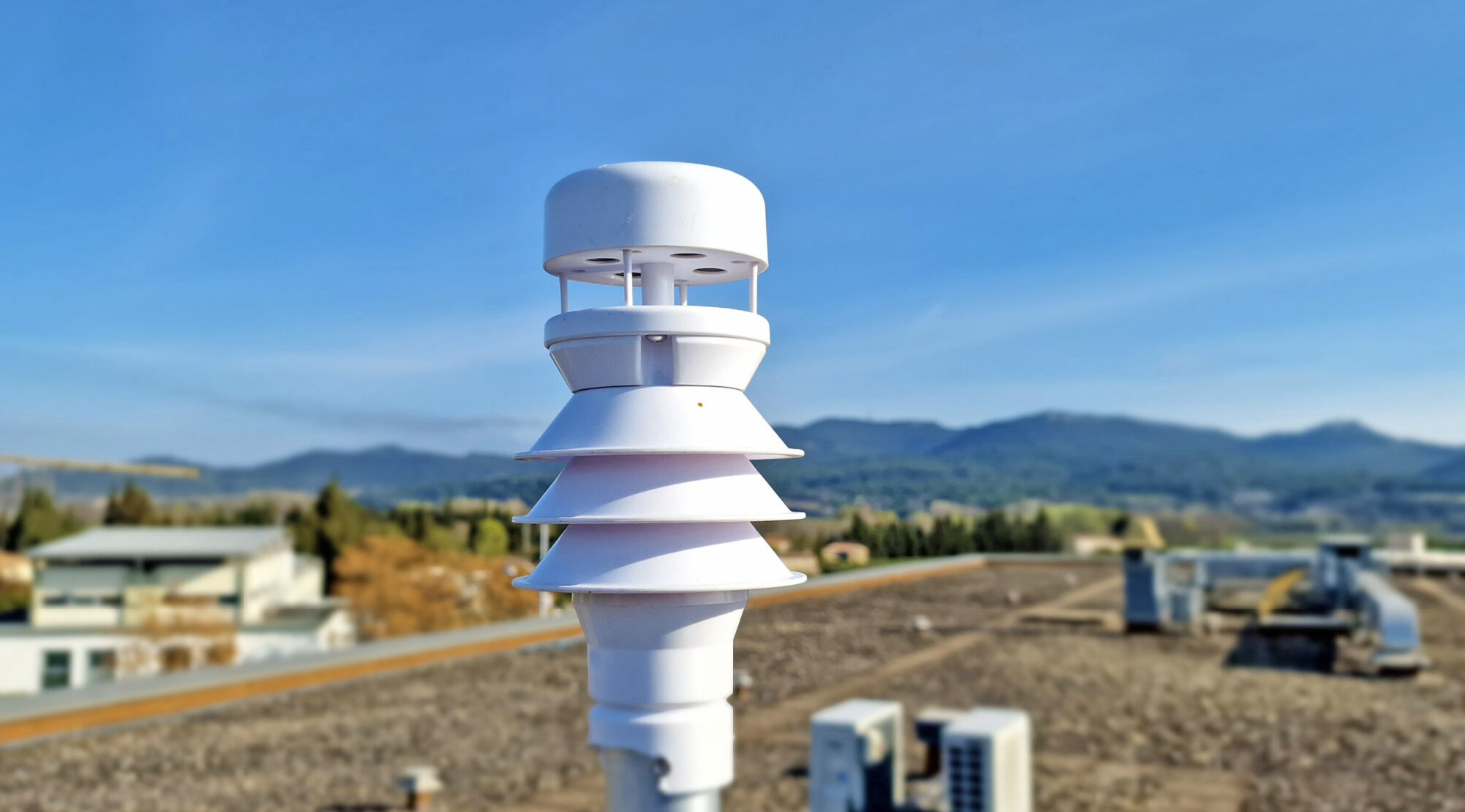
Pollen count measures the concentration of pollen grains per cubic meter of air, with data collected through automated particulate sensors using neural network algorithms to identify individual pollen species. When pollen counts are high, sensitive individuals typically experience symptoms including sneezing, runny nose, itchy eyes, congestion, and respiratory irritation. In Lancaster, these symptoms are often amplified by desert dust exposure, which acts as both a direct airway irritant and an amplifier of allergic responses.
Key Pollen Types and Significant Allergens in Lancaster
Lancaster's pollen landscape is shaped by three major allergen categories, each with locally dominant species. Mulberry trees, widely planted throughout residential neighborhoods, rank among Southern California's most prolific pollen producers and drive much of the spring tree pollen burden. Bermuda grass thrives in Lancaster's intense summer heat on irrigated urban landscapes, maintaining grass pollen levels from April through September. Sagebrush, the dominant native species across vast stretches of undeveloped Antelope Valley, produces highly allergenic pollen that peaks during late summer and fall, often coinciding with Santa Ana wind events that disperse pollen over great distances.
- Mulberry Tree Pollen: Among the most prolific pollen producers in all of Southern California, widely planted as shade trees throughout Lancaster's residential neighborhoods with peak production in March and April
- Sagebrush Pollen: Dominant across vast stretches of undeveloped Antelope Valley, this highly allergenic native desert shrub reaches annual pollen peak in August through September, often dispersed by Santa Ana winds
- Bermuda Grass Pollen: Dominant warm-season grass species thriving in Lancaster's intense summer heat on irrigated landscapes, maintaining pollen production from April through September
- Russian Thistle (Tumbleweed): Thrives in disturbed desert soils including construction sites, solar farm perimeters, vacant lots, and roadsides, contributing to peak weed pollen season from late summer through fall
Lancaster's unique desert environment creates additional complexity through the persistent presence of mineral dust containing silica particles that irritate airways and amplify allergic responses. The Antelope Valley dust may also carry Coccidioides immitis fungal spores associated with valley fever, adding a respiratory concern beyond typical pollen allergies. Compound exposure events—when high pollen levels, desert dust, and dry winds occur simultaneously—create particularly challenging conditions, with March through April and September through October representing the highest-risk periods for allergy sufferers.
Seasonal Pollen Patterns in Lancaster, CA
Lancaster experiences three overlapping pollen seasons throughout the year, with varying intensity by allergen type:
- Spring (February to May): Tree pollen season peaks with simultaneous release from mulberry, oak, juniper, ash, and cottonwood, reaching highest intensity in March and April when grass pollen begins emerging
- Summer (June to August): Grass pollen dominates on irrigated landscapes with Bermuda grass reaching peak intensity in May and June, while late summer marks the beginning of sagebrush and weed pollen production
- Fall (September to November): Weed pollen peaks with sagebrush reaching annual maximum in August and September, often amplified by Santa Ana wind-driven dust storms through October alongside Russian thistle, ragweed, and saltbush
- Winter (December to January): Pollen levels generally decline, though sensitive individuals may experience year-round symptoms due to overlap between seasons and persistent desert dust exposure
Access Daily Pollen Data for Lancaster, CA
The Pollen Count & Alerts App provides real-time pollen monitoring specifically for Lancaster, tracking tree, grass, weed, and mold spore levels throughout the year. With data measured in pollen grains per cubic meter obtained from automated particulate sensors, you can access accurate daily counts and extended forecasts to plan your outdoor activities during low-pollen periods. Stay informed about Lancaster's unique desert pollen challenges and receive customized alerts when levels rise in your area.
Effective Allergy Management Strategies for Lancaster Residents
Managing allergies in Lancaster's challenging desert environment requires proactive monitoring and protective measures:
- Use the Pollen Count & Alerts App: Monitor real-time pollen levels specific to Lancaster and receive alerts to plan outdoor activities during low-pollen times, especially during peak months of March, April, and September
- Maintain Indoor Air Quality: Keep windows closed during high pollen periods, particularly during spring winds and Santa Ana wind events, and use air conditioning with clean filters to reduce pollen infiltration
- Practice Personal Hygiene: Shower and change clothes after outdoor exposure to remove pollen and desert dust from skin and hair, and wash bedding regularly in hot water
- Install HEPA Air Purifiers: Use high-efficiency particulate air purifiers in bedrooms and main living areas to filter out pollen grains and desert dust particles from indoor air
- Consult an Allergist: Seek professional evaluation for persistent symptoms, especially during Lancaster's compound exposure events when pollen, dust, and wind combine to create particularly challenging conditions
Pollen Count & Alerts App Features to Enhance Your Allergy Management
The Pollen Count & Alerts App offers comprehensive tools designed specifically for tracking Lancaster's complex pollen environment:
- Real-Time Pollen Counts: Access the latest pollen data specific to Lancaster, including tree, grass, and weed levels measured in grains per cubic meter from automated particulate sensors
- Customized Alerts: Receive notifications when pollen levels rise in your area, helping you prepare for challenging periods during March through April tree pollen peaks and September through October weed pollen surges
- Accurate Forecasts: View extended pollen forecasts to plan outdoor activities around Lancaster's three distinct pollen seasons and anticipate high-risk periods when desert winds amplify allergen dispersal
- Educational Content: Learn about Lancaster's specific allergens including mulberry, sagebrush, Bermuda grass, and Russian thistle, plus understand how desert dust amplifies allergic responses
- Intuitive Design: Navigate easily through real-time counts, seasonal trends, and personalized recommendations with a user-friendly interface designed for daily allergy management


Learn More About Managing Your Allergies
- Understanding Allergy Pollen Counts: Your Comprehensive Guide – Discover how to interpret pollen count data and develop personalized strategies to reduce your allergen exposure throughout the year.
- Why Are My Allergies So Bad Right Now? | Pollen Count & Alerts App Blog – Understand the environmental and physiological factors that can cause your allergy symptoms to intensify unexpectedly.
- Do Allergies Get Worse as You Age? | Pollen Count & Alerts App Blog – Learn why your body's allergic responses evolve over your lifetime and what you can do to adapt your management approach.
Stay informed with expert advice and seasonal updates by visiting the Alert Pollen Blog.
Pollen count in nearby cities
FAQ
When is pollen season in Lancaster, CA?
Lancaster experiences an extended pollen season spanning nearly the entire year, with three distinct peaks. Tree pollen season runs from February through May, with March and April being the most intense months when mulberry, oak, juniper, and ash trees release pollen simultaneously. Grass pollen follows from April through September, peaking in May and June, while weed pollen—dominated by sagebrush and Russian thistle—reaches its height from August through October, often coinciding with Santa Ana wind events that amplify allergen dispersion.
What are the most common allergens in Lancaster, CA?
Lancaster's unique desert location creates exposure to both native and ornamental allergens throughout the year. Tree allergens include mulberry (one of Southern California's most prolific pollen producers), California juniper, oak, ash, and cottonwood, peaking March through April. Bermuda grass dominates the grass allergy season from April to September on irrigated landscapes. Weed allergens are particularly significant here, with sagebrush blanketing the undeveloped Antelope Valley and Russian thistle (tumbleweed) thriving in disturbed desert soils, construction sites, and vacant lots—both peaking August through October. An additional concern is desert dust, which amplifies allergic responses and may carry valley fever fungal spores.
How can the Pollen Count & Alerts App help me manage allergies in Lancaster's desert climate?
The Pollen Count & Alerts App provides real-time pollen monitoring specifically for Lancaster's challenging combination of tree, grass, weed, and desert dust exposure. By receiving personalized alerts for high pollen days—especially during critical March-April and September-October peaks—you can plan outdoor activities, adjust medications proactively, and minimize exposure during Santa Ana wind events. The app's 5-day forecasts help you anticipate compound allergen events unique to the Antelope Valley desert environment.
Final Thoughts
Living in Lancaster means navigating a complex allergy landscape shaped by desert winds, native sagebrush, ornamental mulberry trees, and persistent dust. However, armed with knowledge about your local pollen calendar and access to real-time monitoring through the Pollen Count & Alerts App, you can take control of your symptoms year-round. Understanding when tree, grass, and weed allergens peak—and how wind events amplify exposure—empowers you to make informed decisions about outdoor activities and treatment timing.
Don't let Lancaster's extended pollen season keep you indoors. Download the Pollen Count & Alerts App today to receive personalized forecasts and alerts tailored to the Antelope Valley's unique allergen profile.
Take Control of Your Allergy Symptoms Today
The Pollen Count & Alerts App delivers real-time pollen counts, personalized alerts for high-allergen days, and comprehensive 5-day forecasts designed for Lancaster's challenging desert climate. Whether you're managing tree pollen in spring, grass allergies in summer, or sagebrush exposure during fall wind events, our app keeps you one step ahead. Download now and breathe easier all year long.