Rancho Cucamonga, located in California's Inland Empire at the base of the San Gabriel Mountains, experiences a Mediterranean climate with warm, dry summers and mild winters. This climate, combined with the region's bowl-shaped geography and year-round plant growth, creates one of the longest allergy seasons in the United States, running from late January through early November. This guide covers the main pollen types, seasonal patterns, and how to effectively manage allergies in Rancho Cucamonga using real-time data and proven strategies.
Understanding Pollen Count in Rancho Cucamonga
Pollen count measures the concentration of pollen grains per cubic meter of air, typically reported as low, moderate, high, or very high. When pollen counts are elevated, allergy sufferers may experience symptoms including sneezing, runny nose, itchy eyes, congestion, coughing, and respiratory difficulty. In Rancho Cucamonga, air pollution interacts with pollen grains to create a pollen-pollution complex that lowers the threshold for allergic reactions, making even moderate counts more impactful.
Key Pollen Types and Recent Trends in Rancho Cucamonga
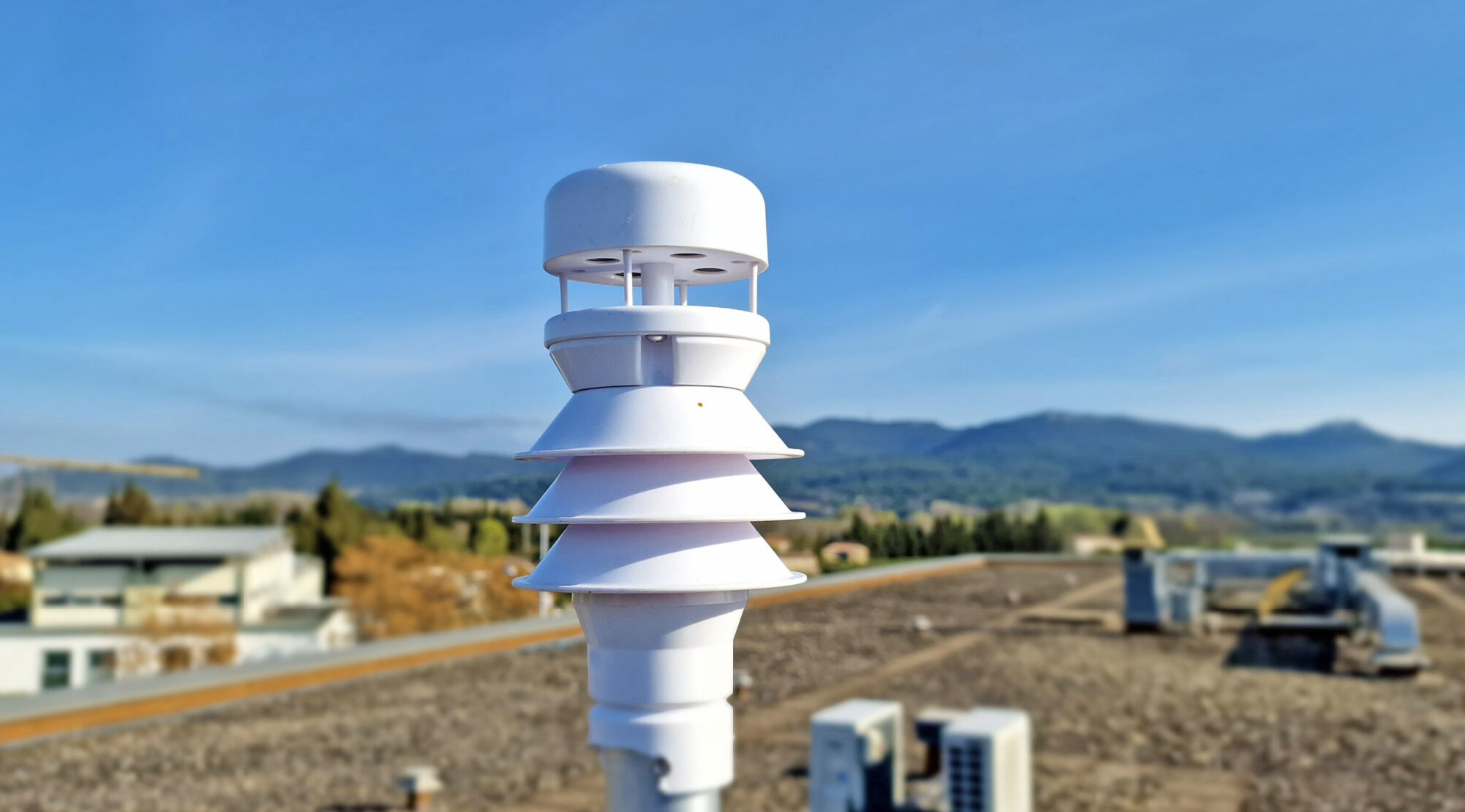
Rancho Cucamonga's urban and suburban landscape features dense plantings of allergenic ornamental trees that dominate the spring allergy season. Automated particulate sensors using neural network algorithms now provide species-specific pollen measurements in parts per million, allowing residents to track exactly which allergens are affecting them on any given day.
- Oak Pollen: Major allergen peaking March through April, the most problematic tree pollen in the region
- Bermuda Grass: Highly prevalent grass allergen with extended season from late April through September
- Russian Thistle: Especially problematic weed in the Inland Empire due to dry, disturbed soil conditions, peaking August through October
- Olive Tree Pollen: Common ornamental tree producing significant allergen levels during spring peak
The unique geographic position of Rancho Cucamonga within a mountain-surrounded basin traps pollen and creates concentrated exposure. Santa Ana winds periodically blow additional desert pollen from the east across the region, further increasing allergen loads during wind events. The lack of freezing temperatures means no seasonal reset for allergen-producing plants, resulting in year-round pollen presence that extends beyond typical allergy seasons experienced elsewhere in the United States.
Seasonal Pollen Patterns in Rancho Cucamonga
Rancho Cucamonga experiences distinct pollen peaks throughout the year, with each season dominated by different allergen sources.
- Winter (December to February): Late January marks the start of tree pollen season with cedar, oak, and eucalyptus beginning to release allergens
- Spring (March to May): Peak allergy season dominated by oak, olive, cedar, pine, ash, sycamore, and birch trees, with Bermuda grass rising in late April
- Summer (June to August): Bermuda grass, timothy grass, and ryegrass dominate, with weed pollen season beginning in July and August
- Fall (September to November): Russian thistle, ragweed, and mugwort peak August through October, with allergy season ending in early November
Access Daily Pollen Data for Rancho Cucamonga
The Pollen Count & Alerts App provides real-time pollen monitoring specifically for Rancho Cucamonga, tracking tree, grass, weed, and mold spore levels throughout the day. Automated sensors analyze air samples hourly using 3D imaging technology to identify and classify individual pollen species, giving you the most accurate and up-to-date allergen information available. Stay informed about current conditions and receive forecasts to plan your outdoor activities during low-pollen times.
Effective Allergy Management Strategies for Rancho Cucamonga
Managing allergies in Rancho Cucamonga requires year-round vigilance due to the extended allergy season and unique environmental factors.
- Use the Pollen Count & Alerts App: Monitor real-time pollen levels and receive customized alerts to plan outdoor activities during low-pollen times
- Improve Indoor Air Quality: Keep windows closed during peak pollen hours, use air conditioning with clean filters, and change HVAC filters regularly
- Practice Personal Hygiene: Shower and wash hair before bed to remove pollen, change clothes after outdoor activities, and rinse nasal passages with saline solution
- Install HEPA Air Purifiers: Use high-efficiency particulate air filters in bedrooms and main living areas to capture airborne pollen and allergens
- Consult a Board-Certified Allergist: Get allergy testing to identify specific triggers, discuss preventative corticosteroid inhalers, and explore immunotherapy options for long-term relief
App Features to Enhance Your Allergy Management
The Pollen Count & Alerts App delivers comprehensive tools designed specifically for allergy sufferers in Rancho Cucamonga and the Inland Empire.
- Real-Time Pollen Counts: Access the latest pollen data specific to Rancho Cucamonga with hourly updates from automated sensors
- Customized Allergy Alerts: Receive notifications when pollen levels for your specific allergens reach moderate or high thresholds
- Accurate 5-Day Forecasts: Plan ahead with detailed predictions for tree, grass, weed, and mold spore levels throughout the week
- Educational Allergen Content: Learn about oak, Bermuda grass, Russian thistle, and other local pollen types affecting the Inland Empire
- Intuitive Location-Based Design: Track multiple locations, view historical trends, and understand seasonal patterns with easy-to-read charts and graphs


Explore More on Managing Seasonal Allergies
- Understanding Allergy Pollen Counts: Your Comprehensive Guide – Learn how to interpret pollen count levels and develop effective strategies to minimize your exposure during peak allergy seasons.
- Why Are My Allergies So Bad Right Now? | Pollen Count & Alerts App Blog – Discover the environmental and physiological factors that can cause your allergies to suddenly intensify, even if you've never had severe reactions before.
- Do Allergies Get Worse as You Age? | Pollen Count & Alerts App Blog – Understand how your immune system's response to allergens evolves throughout your lifetime and what you can do to adapt your management strategies.
Stay updated with the latest tips and insights by visiting the Alert Pollen Blog.
Pollen count in nearby cities
FAQ
When is pollen season in Rancho Cucamonga, CA?
Rancho Cucamonga experiences one of the longest pollen seasons in the United States, running from late January through early November. Tree pollen peaks from March to April with oak and cedar leading the way, grass pollen dominates from May through September with Bermuda grass being particularly prevalent, and weed pollen including Russian thistle peaks from August to October. The Mediterranean climate and lack of hard freezes allow plants to produce pollen nearly year-round, with the highest counts typically occurring in April, May, and September.
What are the most common allergens in Rancho Cucamonga, CA?
The most common allergens in Rancho Cucamonga include oak, olive, cedar, and eucalyptus trees which peak in spring (March-April), Bermuda grass and ryegrass which are highly active from May through September, and Russian thistle (tumbleweed), ragweed, and mugwort which dominate from August to October. Oak is considered the major tree allergen, while Bermuda grass is the most prevalent grass pollen and the most frequently reactive overall. Russian thistle is especially problematic in the Inland Empire due to the area's dry, disturbed soil conditions and can be blown in from desert areas during Santa Ana wind events.
How can I protect myself from pollen in Rancho Cucamonga and use the app effectively?
Monitor real-time pollen counts through the Pollen Count & Alerts App to plan outdoor activities on lower pollen days, especially during peak months of April, May, and September. Stay indoors during early morning hours when pollen release is highest and during Santa Ana wind events which blow desert pollen into the region. Set personalized alerts in the app for your specific allergens like oak, Bermuda grass, or Russian thistle to receive notifications when your triggers reach high levels.
Final Thoughts
Living in Rancho Cucamonga means navigating one of the longest allergy seasons in the country, with pollen present from late January through early November due to the region's Mediterranean climate and unique geographic factors. However, armed with knowledge about local allergens like oak, Bermuda grass, and Russian thistle, along with real-time monitoring through the Pollen Count & Alerts App, you can take control of your allergy management. Understanding when Santa Ana winds blow desert pollen into the area and knowing that April, May, and September bring peak counts empowers you to plan your days more effectively.
Download the Pollen Count & Alerts App today to receive personalized notifications for your specific allergens and access hourly pollen forecasts tailored to Rancho Cucamonga. Take the guesswork out of managing your allergies and breathe easier all season long.
Take Control of Your Allergies Today
The Pollen Count & Alerts App provides real-time pollen counts specifically for Rancho Cucamonga, personalized alerts for oak, Bermuda grass, Russian thistle, and other local allergens, and comprehensive 5-day forecasts to help you plan ahead. With automated sensor data updated hourly and species-specific tracking, you'll know exactly when your triggers are high and can take preventive action. Download the app now and experience fewer allergy symptoms through better preparation.