Las Vegas sits in a broad desert valley within the Mojave Desert of southern Nevada, surrounded by mountains and characterized by low humidity and frequent winds. Despite its arid climate, the city experiences significant pollen challenges due to decades of urbanization that transformed the desert into a green oasis filled with non-native allergenic trees and grasses. This article covers Las Vegas's unique dual-season allergy pattern, key pollen types, seasonal trends, and practical management strategies for residents and visitors.
Understanding Pollen Count in Las Vegas
Pollen count measures the concentration of pollen grains per cubic meter of air, with levels categorized as low, moderate, high, or very high. When pollen counts are elevated, allergy sufferers commonly experience sneezing, nasal congestion, itchy and watery eyes, sinus pressure, coughing, and in severe cases, asthma exacerbation. Las Vegas's dry climate further aggravates symptoms by drying nasal passages and compromising the body's natural defense mechanisms against airborne allergens.
Key Pollen Types and Recent Trends in Las Vegas
Las Vegas features a complex mix of native desert plants and introduced ornamental species that create year-round pollen challenges. Monitoring data from 2020-2023 reveals that March experiences the highest tree pollen concentrations, May sees peak grass and shrub pollen levels, and September through October brings the most intense weed pollen activity. Unlike most U.S. cities where ragweed only appears in fall, Las Vegas has ragweed pollen in both spring and fall seasons, with spring ragweed typically producing worse symptoms.
- Tree Pollen (Oak, Ash, Pine, Mulberry, Olive): Peak in March-April with oak dominant; mulberry and olive trees banned since 1991 but existing trees still release highly allergenic pollen
- Bermuda Grass Pollen: Most dominant grass allergen peaking in May; extensively used in lawns, parks, and golf courses throughout the valley
- Ragweed Pollen: Most notorious allergen appearing in both spring and fall, with peak concentrations in September-October reaching highest weed pollen levels annually
- Sagebrush Pollen: Most prevalent native desert plant showing recent elevated concentrations during fall allergy season from August through November
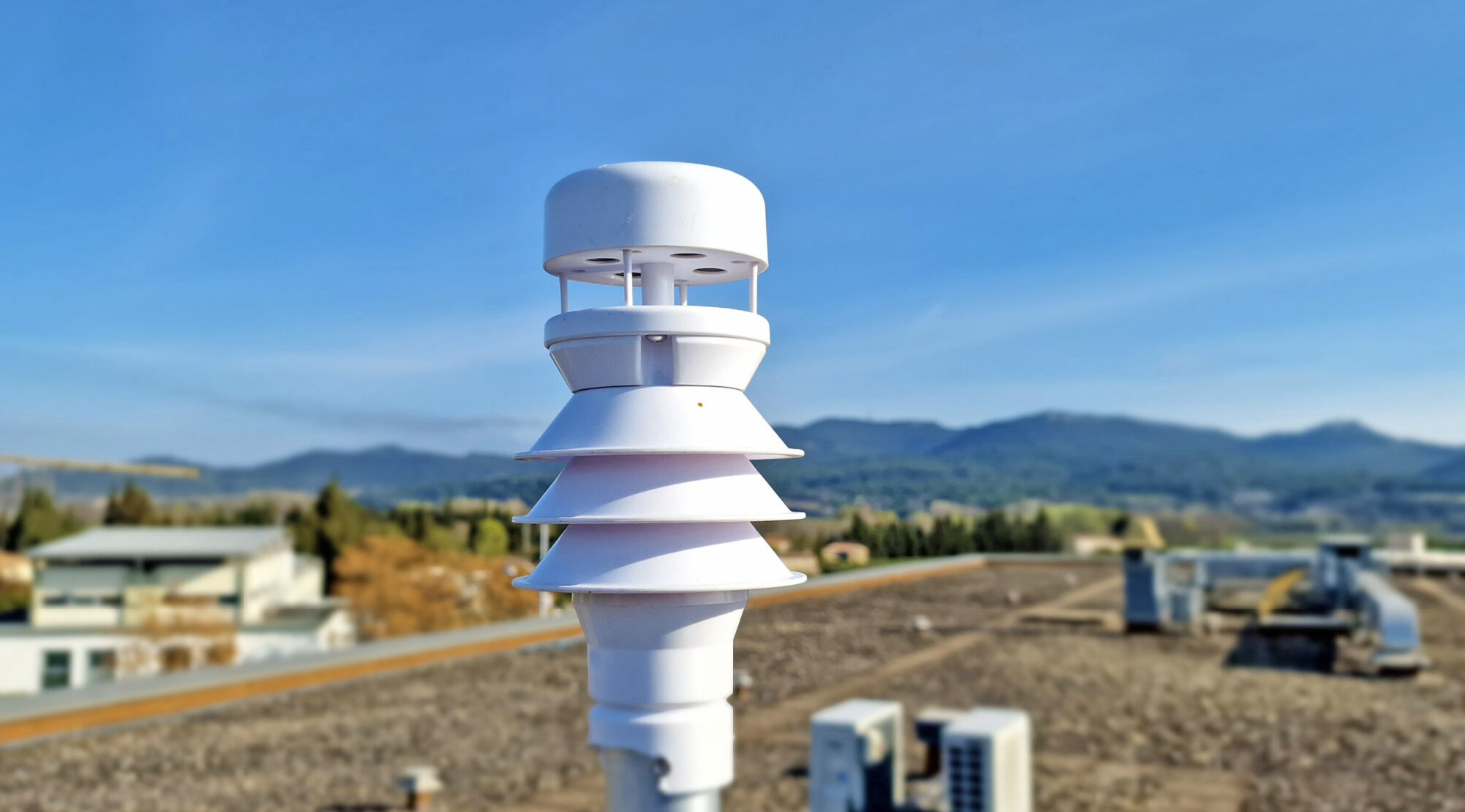
The urban heat island effect in downtown Las Vegas and along the Strip traps heat and causes pollen and pollutants to accumulate near ground level, intensifying allergic reactions. Air pollution creates a synergistic effect that makes pollen grains more allergenic and allows them to stay airborne longer while penetrating deeper into the respiratory tract. Automated pollen sensors deployed from 2020-2021 showed strong correlation with manual counting methods, providing increasingly accurate real-time data for dominant species including mulberry, pine, ash, and ragweed.
Seasonal Pollen Patterns in Las Vegas
Las Vegas experiences a distinctive dual-season allergy pattern with intense spring and fall peaks separated by a summer relief period.
- Spring (February to May): Primary allergy season dominated by tree pollen from oak, ash, and pine, with peaks in March and April; Bermuda grass begins in May with highest grass concentrations
- Summer (June to July): Triple-digit heat provides brief reprieve with lowest pollen counts of the year, though Bermuda grass continues at moderate levels
- Fall (August to November): Secondary allergy season dominated by ragweed and sagebrush, with peak weed pollen concentrations in September and October
- Winter (December to January): Minimal pollen activity with lowest allergen levels, providing relief for most allergy sufferers
Access Daily Pollen Data in Las Vegas
The Pollen Count & Alerts App provides real-time pollen monitoring specifically for Las Vegas, tracking tree, grass, weed, and mold spore concentrations throughout the year. With data sourced from the CCSD/UNLV Pollen Monitoring Program established in 2013 and validated automated sensors across five valley locations, you receive accurate, location-specific information to plan your day. Download the app today to receive customized alerts and stay informed about current and forecasted pollen levels in your neighborhood.
Effective Allergy Management Strategies for Las Vegas Residents
Implementing these evidence-based strategies can significantly reduce your exposure to pollen and minimize allergy symptoms throughout the year.
- Use the Pollen Count & Alerts App: Monitor real-time pollen levels across Las Vegas Valley and receive alerts to plan outdoor activities during low-pollen periods
- Improve Indoor Air Quality: Keep windows closed during peak pollen seasons in spring and fall, especially on windy days when pollen concentrations increase dramatically
- Practice Personal Hygiene: Shower and change clothes after outdoor activities to remove pollen from hair and skin, preventing allergen transfer to bedding and furniture
- Install HEPA Air Purifiers: Use high-efficiency particulate air filters in bedrooms and living spaces to capture airborne pollen and reduce indoor allergen concentrations
- Consult a Local Allergist: Seek professional evaluation and treatment options including immunotherapy, especially if you experience asthma exacerbation or chronic sinusitis during peak seasons
App Features to Enhance Your Allergy Management
The Pollen Count & Alerts App offers comprehensive tools designed specifically for allergy sufferers in Las Vegas and throughout the Mojave Desert region.
- Real-Time Pollen Counts: Access the latest pollen data specific to your Las Vegas location with updates from multiple monitoring sites across the valley
- Customized Pollen Alerts: Receive notifications when pollen levels for your specific allergens reach high or very high concentrations in your area
- Accurate Multi-Day Forecasts: Plan ahead with reliable 5-day pollen forecasts covering tree, grass, weed, and mold spore predictions for Las Vegas
- Educational Allergen Content: Learn about local pollen types including ragweed, Bermuda grass, oak, ash, and sagebrush with detailed seasonal information
- Intuitive User-Friendly Design: Navigate easily through clean interfaces to quickly check current conditions and forecasts before heading outdoors


Explore More on Managing Seasonal Allergies
- Understanding Allergy Pollen Counts: Your Comprehensive Guide – Learn how to interpret pollen count levels and develop effective strategies to minimize your exposure and manage allergy symptoms throughout the year.
- Why Are My Allergies So Bad Right Now? | Pollen Count & Alerts App Blog – Discover the reasons why your allergies might suddenly intensify, including environmental changes, new allergen exposure, and how climate factors affect pollen production.
- Do Allergies Get Worse as You Age? | Pollen Count & Alerts App Blog – Understand how your body's response to allergens can shift over time and why some people develop new allergies or experience relief as they age.
Stay updated with the latest tips and insights by visiting the Alert Pollen Blog.
Pollen count in nearby cities
FAQ
When is pollen season in Las Vegas, NV?
Las Vegas has a unique dual allergy season with an intense spring period from February through May, peaking in March and April when tree pollen from oak, ash, and pine dominates. The city experiences a brief summer relief in June and July due to triple-digit heat, followed by a fall allergy season from late August through November, with September and October bringing peak weed pollen from ragweed and sagebrush. Notably, Las Vegas experiences ragweed pollen in both spring and fall, unlike most of the United States where ragweed appears only in fall, making allergy management particularly challenging for residents.
What are the most common allergens in Las Vegas, NV?
The most common allergens in Las Vegas include tree pollen from oak, ash, pine, mulberry, and olive trees during the spring months of March through May. Bermuda grass dominates the late spring and summer period, particularly peaking in May, and is used extensively throughout the city's lawns, parks, and golf courses. During the fall season from August through November, ragweed and sagebrush are the primary weed allergens, with ragweed being the most notorious and sagebrush being the most prevalent native desert plant affecting allergy sufferers.
How can I protect myself from pollen allergies in Las Vegas's dry desert climate?
In Las Vegas's dry climate, it's essential to stay hydrated and use a humidifier indoors to prevent your nasal passages from drying out, which can compromise your natural defenses against pollen. Monitor daily pollen counts through the Pollen Count & Alerts App to plan outdoor activities during lower-pollen periods, and consider staying indoors during windy days when pollen stays airborne longer in the desert environment. Keep windows closed during peak pollen seasons, shower after outdoor activities to remove pollen from your hair and skin, and use HEPA filters in your home to reduce indoor allergen exposure.
Final Thoughts
Living in Las Vegas means navigating a unique dual-season allergy challenge with intense spring and fall pollen periods, compounded by the desert's dry climate and urban landscape filled with both native and non-native allergenic plants. However, with accurate local pollen information and the right tools, you can take control of your allergy symptoms and enjoy all that Las Vegas has to offer. The Pollen Count & Alerts App provides Las Vegas residents with hyperlocal pollen data to help you plan your days and protect your health.
Download the Pollen Count & Alerts App today to receive personalized alerts, real-time pollen counts specific to the Las Vegas area, and comprehensive forecasts that help you stay one step ahead of allergy season. Take charge of your respiratory health and breathe easier in the desert.
Take Control of Your Allergies Today
The Pollen Count & Alerts App delivers real-time pollen counts tailored to Las Vegas's unique dual-season allergy patterns, personalized alerts based on your specific sensitivities, and comprehensive forecasts covering tree, grass, and weed pollen throughout the year. Don't let allergies control your life in the desert—download the app now and get the localized information you need to manage your symptoms effectively. Whether you're dealing with spring tree pollen or fall ragweed, stay informed and breathe easier with accurate, timely data at your fingertips.