Chino Hills, California, sits beside foothills with grasslands, oak and walnut woodlands, and coastal sage scrub. Its Mediterranean climate brings wetter winters and dry summers, while suburban landscaping adds pollen sources close to home. Tree, grass, and weed seasons overlap, creating changing exposure throughout the year. This guide explains the main local pollen sources, approximate seasonal patterns, daily monitoring, and practical allergy management.
Understanding Pollen Counts in Chino Hills
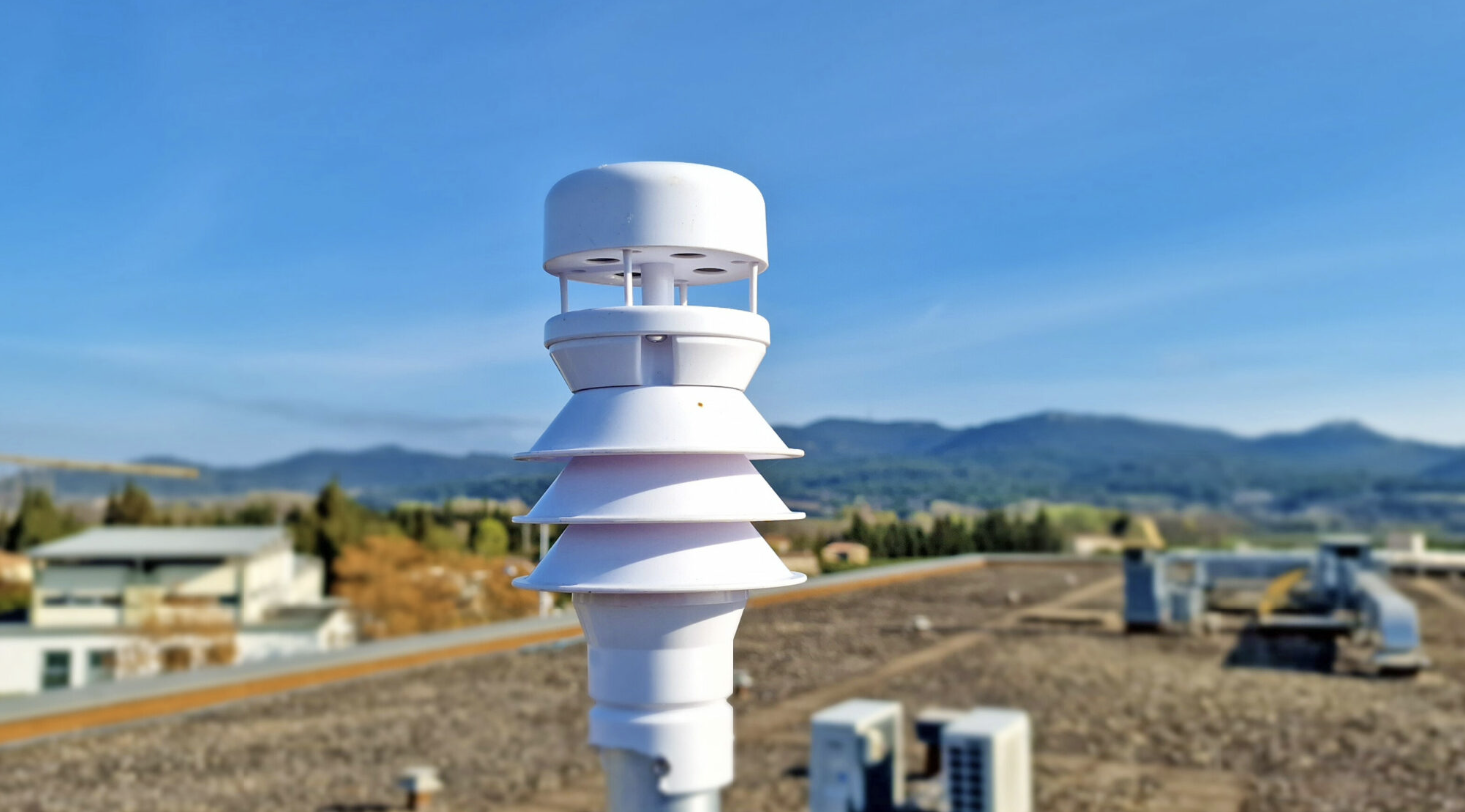
A measured pollen count describes the concentration of airborne pollen, usually reported in grains per cubic meter using samples collected by monitoring equipment. Forecast services may instead display modeled index values, which cannot be directly compared with measured concentrations. Elevated pollen can trigger sneezing, congestion, itchy or watery eyes, and coughing or wheezing in sensitive individuals.
Key Pollen Sources Around Chino Hills
Local vegetation records document coast live oak, California black walnut, sycamore, several grassland grasses, and western ragweed. Coast live oak typically has its strongest pollen period in March–April, while annual grassland grasses tend to peak in April–June. These windows combine local plant records with regional seasonal evidence; no publicly accessible, long-term measured pollen series was identified for Chino Hills itself.
- Tree Pollen: Coast live oak is generally active from February–May, with a March–April peak. California black walnut can flower from January–April, depending on location.
- Grass Pollen: Locally documented ryegrass and bromes generally contribute from March–July, strongest in April–June. Bermuda grass can remain active from April–October.
- Western Ragweed Pollen: Documented in city environmental records, western ragweed has an approximate June or July–November season, usually strongest in August–September.
- Sagebrush and Russian Thistle Pollen: California sagebrush generally contributes from August–December, often strongest in September–November. Russian thistle typically peaks in August–October.
Dry easterly Santa Ana winds and moist westerly breezes can change pollen transport across neighborhoods. Irrigated landscaping can sustain grass growth after surrounding hills dry out. Local evidence does not support a defensible recent percentage increase in airborne pollen.
The Chino Hills Seasonal Pollen Calendar
Use these approximate seasonal windows as a planning guide, since rainfall, warmth, wind, and nearby vegetation can shift timing.
- Spring (March to May): Oak, sycamore, ash, and regional ornamental trees overlap with rising grass pollen; olive pollen is typically strongest in April–May.
- Summer (June to August): Bermuda grass remains active, annual grassland pollen can continue into July, and western ragweed and Russian thistle become more relevant.
- Fall (September to November): Western ragweed, California sagebrush, and Russian thistle contribute weed pollen, while Bermuda grass may continue into October.
- Winter (December to February): Regional cypress and juniper begin their winter season, California black walnut can flower early, and oak activity may begin in February.
Check Daily Pollen Conditions in Chino Hills
Use the Pollen Count & Alerts App for real-time tracking of available tree, grass, weed, and mold spore information around Chino Hills. Check timestamps and reporting scales before planning outdoor time, and distinguish modeled forecasts from measured counts. Mold spores are a separate airborne exposure, rather than a type of pollen.
Practical Ways to Manage Pollen Allergies
Build a daily routine that reduces exposure and supports care suited to your symptoms.
- Use the Pollen Count & Alerts App: Review current information and alerts before walks, gardening, or trail visits, and adjust plans when pollen rises.
- Improve Indoor Air Quality: Keep windows closed during elevated pollen or windy conditions, maintain ventilation filters, and remove dust with damp cleaning.
- Practice Personal Hygiene: Change outdoor clothing and rinse pollen from your hair and skin after spending time outside.
- Use HEPA Purifiers: Choose a purifier suited to the room and maintain its filters to help reduce airborne particles indoors.
- Consult an Allergist: Discuss persistent symptoms, identify relevant triggers, and develop a personalized treatment plan, especially if coughing or wheezing occurs.
App Features for Everyday Pollen Planning
The Pollen Count & Alerts App brings local monitoring, alerts, forecasts, and practical guidance into an easy daily routine.
- Real-Time Counts: Review the latest available local pollen information and check when it was updated.
- Customized Alerts: Set notifications around relevant pollen types and your preferred alert levels.
- Accurate Forecasts: Use location-based forecasts to plan ahead, while recognizing that weather and local vegetation can affect accuracy.
- Educational Content: Learn about seasonal pollen sources, exposure reduction, and common allergy concerns.
- Intuitive Design: Find current conditions, upcoming forecasts, and alert settings in an easy-to-navigate interface.


Explore More on Managing Seasonal Allergies
- Understanding Allergy Pollen Counts: Your Comprehensive Guide – Learn what pollen counts mean and how to use them to guide everyday allergy management.
- Why Are My Allergies So Bad Right Now? | Pollen Count & Alerts App Blog – Explore why allergies can suddenly feel worse as weather, exposure, and your surroundings change.
- Do Allergies Get Worse as You Age? | Pollen Count & Alerts App Blog – Discover how allergies can change with age and why familiar seasonal patterns may shift.
Find more seasonal tips and practical insights on the Alert Pollen Blog.
Pollen count in nearby cities
FAQ
When is pollen season in Chino Hills, CA?
Chino Hills has overlapping pollen seasons, with winter and spring trees, spring and summer grasses, and late-summer and autumn weeds. Cypress and juniper can release pollen from December through April, while oak and sycamore are typically strongest in March and April. Grass pollen generally builds from March onward, with annual grasses strongest in April–June and Bermuda grass often active through October. Western ragweed, California sagebrush, and Russian thistle extend the calendar into autumn; these windows are approximate because long-term measured pollen records for Chino Hills are not publicly available.
Which plants are important sources of airborne pollen in Chino Hills, CA?
Locally documented trees include coast live oak and California sycamore, with approximate peaks in March–April, and California black walnut, which generally peaks around February–March. Regional ornamental sources include ash and cypress or juniper in February–March and January–March, respectively, white mulberry in March–April, and olive in April–May. Italian ryegrass, ripgut brome, and red brome contribute to the spring grass season, generally strongest in April–June, while Bermuda grass typically peaks in May–September. Important local weeds include western ragweed, usually strongest in August–September, Russian thistle in August–October, and California sagebrush in September–November; their relative contribution varies by neighborhood, weather, and nearby vegetation.
How can I reduce pollen exposure near Chino Hills State Park and around my home?
Check the dated local forecast in the Pollen Count & Alerts App before visiting grassland trails or doing yardwork, and adjust outdoor plans when pollen levels are elevated or winds are strong. Keep windows closed during those periods, and change clothes and rinse off after spending time around grasses or flowering trees. Compare forecasts consistently within the same service, since different providers may use different scales and forecast times.
Stay Prepared for Pollen in Chino Hills
Chino Hills combines foothill vegetation, grasslands, and suburban landscaping, creating overlapping pollen seasons that can make outdoor planning challenging. Understanding the local calendar and checking the Pollen Count & Alerts App can help you make informed choices as conditions change.
Download the Pollen Count & Alerts App to follow local pollen conditions and build pollen checks into your daily routine.
Sources
- California State Parks: Chino Hills State Park Brochure
- Chino Hills Environmental Assessment: Local Vegetation Records
- National Institute of Environmental Health Sciences: Pollen
Take Charge of Your Pollen Planning
Use the Pollen Count & Alerts App to access real-time pollen counts where available, personalized alerts, and comprehensive forecasts. Check report timestamps and whether values are measured or modeled to plan outdoor activities around the latest available information.