Ontario, California, located in the Inland Empire region of San Bernardino County, experiences a challenging allergy environment due to its Mediterranean climate and inland location 35 miles east of Los Angeles. The city's hot, arid summers and mild winters create nearly year-round pollen exposure, with airborne pollen quantities increasing by 20% over the past 30 years. This guide provides comprehensive information about pollen types, seasonal patterns, and practical strategies to manage allergies in Ontario.
Understanding Pollen Count in Ontario, California
Pollen count measures the concentration of pollen grains per cubic meter of air, indicating allergen exposure levels. When counts are high, individuals sensitive to tree, grass, or weed pollen commonly experience symptoms including sneezing, nasal congestion, itchy eyes, throat irritation, and respiratory discomfort. Monitoring daily pollen levels helps residents plan outdoor activities and take preventive measures during peak allergy periods.
Key Pollen Types and Recent Trends in Ontario
Ontario's extended allergy season features three primary pollen categories that peak at different times throughout the year. The region has experienced significant increases in airborne pollen due to climate change and rising temperatures, with April, May, and September showing the highest overall pollen counts.
- Oak Tree Pollen: Peaks from March to May as a major allergen source, with very potent pollen affecting roughly 50% of the population during spring
- Bermuda Grass Pollen: Present year-round due to Southern California's warm climate, reaching peak levels from May to July with sustained concentrations throughout summer
- Ragweed Pollen: Dominates late summer and fall from August to November, with single plants producing up to 1 billion pollen grains per season and causing approximately 50% of all pollen allergies
- Cedar and Juniper Pollen: Begins pollinating in January and peaks through early spring, contributing to the 20% increase in airborne pollen quantities observed over the past 30 years
Ontario's inland location and distance from the Pacific Ocean creates warmer, drier conditions ideal for pollen dispersal, particularly during late morning and early afternoon hours. The city's urban landscaping with allergenic ornamental species including oak, olive, and pine, combined with drought-adapted native plants like sagebrush, creates multiple overlapping pollen seasons that compound allergy symptoms throughout the year.
Seasonal Pollen Patterns in Ontario
Ontario experiences distinct pollen peaks across all four seasons, with an extended allergy period running from late January through early October.
- Winter (December to February): Lowest pollen activity overall, though mild temperatures can trigger early tree pollen from cedar, juniper, and cypress starting in late January
- Spring (March to May): Peak tree pollen season dominated by oak, pine, cedar, ash, elm, and olive, with March and April showing the highest concentrations and late spring grass pollen emergence
- Summer (June to August): Grass pollen dominates with Bermuda grass, ryegrass, timothy, and bluegrass at maximum levels from May through July, continuing into late summer as weed pollen begins
- Fall (September to November): Peak weed pollen season featuring ragweed and sagebrush from August through November, with September showing some of the year's highest overall pollen counts before tapering in late fall
Access Daily Pollen Data for Ontario, California
The Pollen Count & Alerts App provides real-time pollen monitoring specifically for Ontario, tracking tree, grass, weed, and mold spore concentrations throughout the day. With pollen levels varying significantly between early morning lows and late morning to early afternoon peaks, having access to current data helps you plan outdoor activities during optimal times. The app delivers location-specific forecasts and customized alerts to keep you informed during the challenging peak months of April, May, and September.
Effective Allergy Management Strategies for Ontario Residents
Managing allergies in Ontario's year-round pollen environment requires proactive strategies and daily monitoring.
- Use the Pollen Count & Alerts App: Monitor real-time pollen levels and receive alerts to plan outdoor activities during low-pollen periods, particularly avoiding late morning to early afternoon when counts peak
- Improve Indoor Air Quality: Keep windows closed during high pollen days, especially in spring and fall, and use air conditioning with clean filters to prevent outdoor allergens from entering your home
- Practice Personal Hygiene: Shower and wash hair before bed to remove pollen accumulated during the day, and change clothes after outdoor exposure to prevent allergens from spreading indoors
- Install HEPA Air Purifiers: Use high-efficiency particulate air filters in bedrooms and main living areas to capture airborne pollen particles, particularly beneficial during peak tree, grass, and weed seasons
- Consult an Allergist: Seek professional evaluation for persistent symptoms, consider allergy testing to identify specific triggers among oak, Bermuda grass, and ragweed, and explore immunotherapy options for long-term relief
App Features to Enhance Your Allergy Management
The Pollen Count & Alerts App offers comprehensive tools designed specifically for managing allergies in high-pollen environments like Ontario, California.
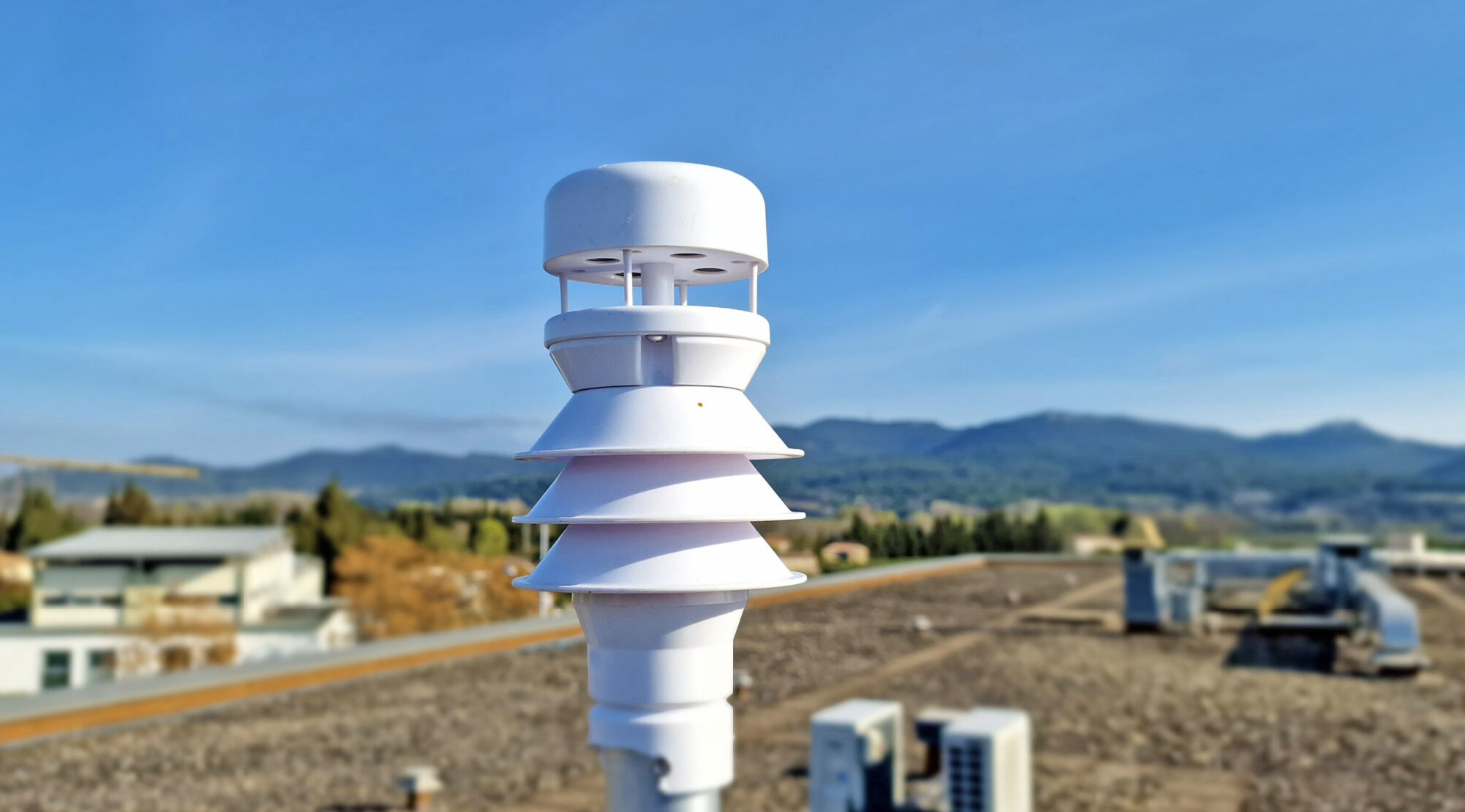
- Real-Time Pollen Counts: Access the latest pollen data specific to Ontario using advanced PollenSense technology, the world's first real-time portable particle identification sensor
- Customized Allergy Alerts: Receive personalized notifications when pollen levels for your specific allergens, whether tree, grass, or weed, reach thresholds that may trigger symptoms
- Accurate Multi-Day Forecasts: Plan your week with extended pollen forecasts covering all major allergen types, helping you schedule outdoor activities during the lowest-risk periods
- Educational Allergy Content: Learn about local pollen types including oak, Bermuda grass, and ragweed, understand seasonal patterns, and discover evidence-based management strategies for the Inland Empire region
- Intuitive User-Friendly Design: Navigate easily between current conditions, forecasts, and alerts with a clean interface designed for quick daily checks before heading outdoors


Learn More About Managing Your Seasonal Allergies
- Understanding Allergy Pollen Counts: Your Comprehensive Guide – Discover how to interpret pollen count data and implement effective strategies to minimize allergy symptoms throughout Ontario's extended pollen season.
- Why Are My Allergies So Bad Right Now? | Pollen Count & Alerts App Blog – Understand the environmental and physiological factors that can cause sudden increases in allergy severity, including climate change impacts and prolonged pollen exposure.
- Do Allergies Get Worse as You Age? | Pollen Count & Alerts App Blog – Explore how your immune system's response to allergens evolves over time and why sensitivities may develop or diminish as you age.
Stay updated with the latest tips and insights by visiting the Alert Pollen Blog.
Pollen count in nearby cities
FAQ
When is pollen season in Ontario, California?
Ontario experiences an extended allergy season running from late January through early October due to its warm Mediterranean climate. The most intense periods occur in spring (March-April) when tree pollen from oak, cedar, and pine peaks, late spring through summer (May-July) when Bermuda grass and ryegrass dominate, and fall (September-November) when ragweed and sagebrush reach maximum levels. The mild winters and inland location create nearly year-round pollen exposure, with April, May, and September showing the highest overall pollen counts.
What are the most common pollen allergens in Ontario, California?
The three dominant allergen categories in Ontario are tree pollen (primarily oak, cedar, juniper, cypress, and pine), grass pollen (especially Bermuda grass and ryegrass), and weed pollen (mainly ragweed and sagebrush). Oak produces highly potent pollen peaking March through May, while Bermuda grass uniquely pollinates year-round in Southern California's climate with peak activity May through July. Ragweed, responsible for approximately 50% of pollen allergies in North America, reaches maximum levels September through November, with individual plants producing up to one billion pollen grains per season.
How can I protect myself from pollen in Ontario and use the app effectively?
Monitor daily pollen forecasts through the Pollen Count & Alerts App to plan outdoor activities during low-pollen periods, typically early morning hours before levels peak in late morning and early afternoon. On high-pollen days during peak months (April, May, and September), keep windows closed, use air conditioning with HEPA filters, and shower after spending time outdoors to remove pollen from hair and skin. The app's personalized alerts help you prepare for elevated pollen levels specific to Ontario's extended allergy season.
Final Thoughts
Living in Ontario, California means navigating one of the longest allergy seasons in the country, with nearly year-round pollen exposure from oak, Bermuda grass, and ragweed. However, understanding the specific timing and intensity of each pollen type empowers you to take proactive measures during peak months. The Pollen Count & Alerts App provides the localized, real-time information you need to manage your symptoms effectively in Ontario's unique inland Mediterranean climate.
Download the Pollen Count & Alerts App today to receive personalized notifications for Ontario's specific pollen patterns and take control of your allergy management year-round.
Take Control of Your Allergies Today
The Pollen Count & Alerts App delivers real-time pollen counts specific to Ontario, California, personalized alerts tailored to your allergen sensitivities, and comprehensive five-day forecasts covering tree, grass, and weed pollen. With Ontario's extended allergy season and overlapping peak periods, having accurate, location-specific data helps you plan your days and minimize exposure when counts are highest. Download the app now to breathe easier throughout the year.