Pomona, located at the boundary between the San Gabriel Valley and Inland Empire and bordered by the San Jose Hills, experiences one of the longest allergy seasons in the United States. The Mediterranean climate with warm year-round temperatures and no winter freeze allows nearly continuous pollen production from late January through early November. This article provides essential information about Pomona's pollen types, seasonal patterns, monitoring resources, and effective allergy management strategies.
Understanding Pollen Count in Pomona
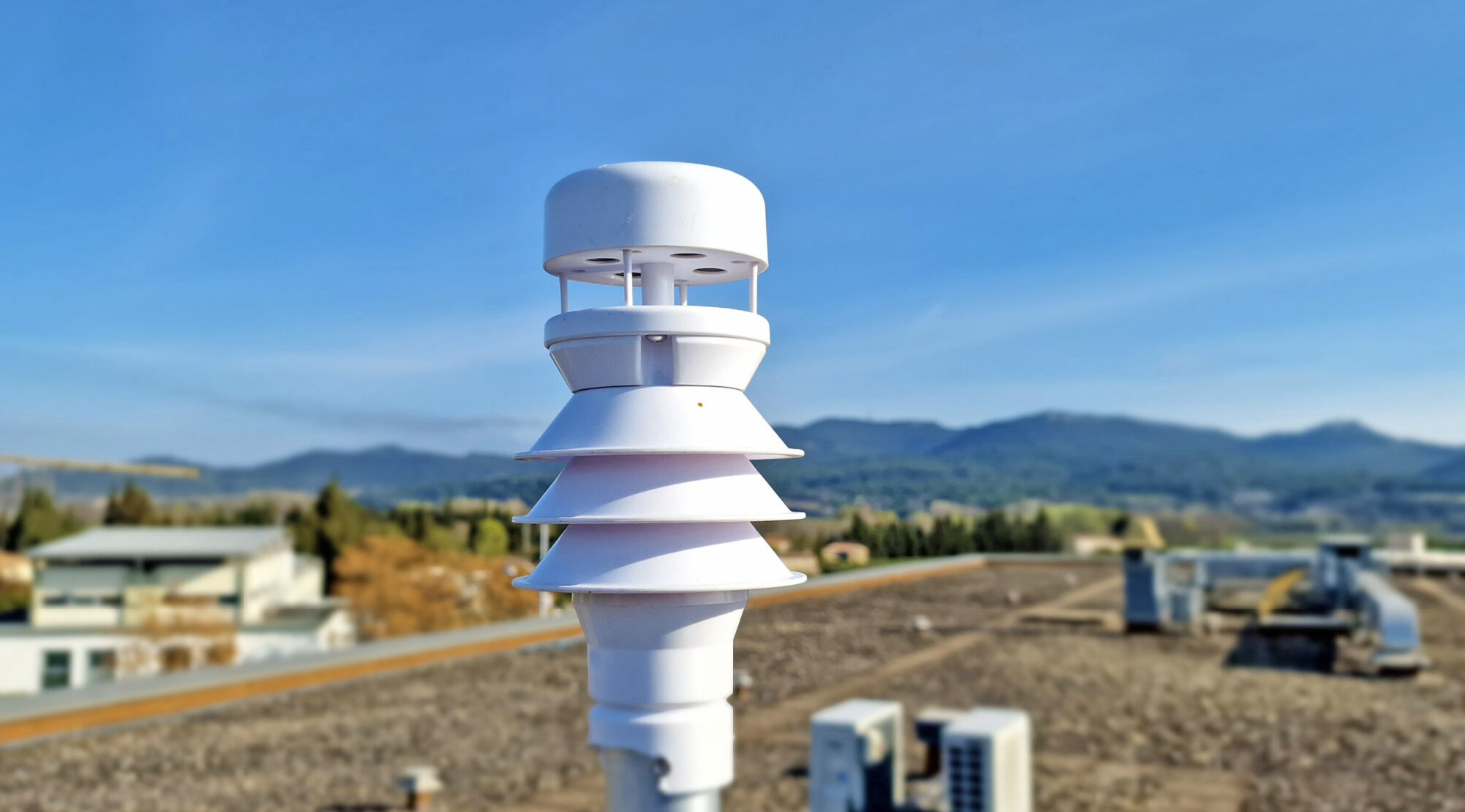
Pollen count measures the concentration of pollen grains per cubic meter of air, tracked by automated particulate sensors using neural network algorithms. When pollen counts are high, allergy sufferers typically experience symptoms including sneezing, runny nose, itchy eyes, congestion, and respiratory irritation. Pomona's pollen monitoring provides daily counts to help residents plan outdoor activities and manage their allergy symptoms effectively.
Key Pollen Types and Allergen Trends in Pomona
Pomona's diverse vegetation creates a complex allergen environment throughout nearly ten months of the year. Monitoring data from Pollen Sense automated sensors tracked from February 2022 through May 2023 and ongoing shows that April, May, and September consistently produce the highest pollen concentrations, with multiple allergen types contributing to extended exposure periods.
- Oak Pollen: Dominant tree allergen from coast live oak and valley oak throughout the San Jose Hills, peaking March through April as the most significant spring allergen
- Bermuda Grass Pollen: Ubiquitous warm-season lawn grass producing heavy pollen loads from April through September, with extended season into early fall due to Mediterranean climate
- Sagebrush Pollen: Most significant fall allergen from native coastal sage scrub ecosystem, producing fine lightweight pollen peaking August through October
- Mulberry and Olive Pollen: Highly allergenic landscape trees common in Pomona producing intense but brief pollination periods during spring months
Pomona's unique position includes legacy walnut trees from agricultural history and native sagebrush from coastal sage scrub habitats, creating allergen combinations uncommon in most urban areas. The lack of winter freeze combined with overlapping grass and weed seasons in summer and fall means residents face multi-allergen exposure with no relief period.
Seasonal Pollen Patterns in Pomona
Pomona's year-round growing season creates an exceptionally long allergy calendar with distinct peak periods.
- Winter to Early Spring (Late January to March): Tree pollen season begins earlier than most US regions, with oak, ash, sycamore, maple, cedar, pine, and cypress starting pollination
- Spring (April to May): Peak overall allergy season dominated by heavy tree pollen from oak, mulberry, walnut, and olive, with grass pollen beginning in late April
- Summer to Early Fall (June to September): Bermuda grass, ryegrass, and Kentucky bluegrass dominate with extended warm-season production, while weed pollen increases from July onward
- Fall (September to November): Second peak allergy month in September with maximum weed pollen from sagebrush, ragweed, Russian thistle, and pigweed, gradually declining through November
Access Daily Pollen Data for Pomona
The Pollen Count & Alerts App provides real-time pollen monitoring specifically for Pomona, tracking tree, grass, weed, and mold spore levels throughout the day. With automated updates from local sensors, you can check current conditions before planning outdoor activities and receive personalized alerts when pollen levels spike. Stay informed with accurate, location-specific data to better manage your allergy symptoms during Pomona's extended nine-to-ten-month allergy season.
Effective Allergy Management Strategies for Pomona Residents
Managing allergies in Pomona's year-round pollen environment requires proactive strategies and daily monitoring.
- Use the Pollen Count & Alerts App: Monitor real-time pollen levels and receive alerts to plan outdoor activities during low-pollen times, especially during April-May and September peak periods
- Improve Indoor Air Quality: Keep windows closed during high pollen days, use air conditioning with clean filters, and create a pollen-free refuge in your home
- Practice Personal Hygiene: Shower and change clothes after outdoor exposure, rinse nasal passages with saline solution, and wash bedding weekly in hot water
- Install HEPA Air Purifiers: Use high-efficiency particulate air filters in bedrooms and main living areas to remove pollen particles from indoor air
- Consult an Allergist: Work with healthcare providers at Pomona Valley Health Centers or allergy specialists for personalized treatment plans, immunotherapy options, and prescription medications
Pollen Count & Alerts App Features for Better Allergy Management
The Pollen Count & Alerts App offers comprehensive tools designed specifically for allergy sufferers in Pomona and surrounding areas.
- Real-Time Pollen Counts: Access the latest pollen data specific to Pomona with automated particulate sensor technology and species identification
- Customized Allergy Alerts: Receive personalized notifications when pollen levels for your specific allergens reach threshold levels in your area
- Accurate Multi-Day Forecasts: Plan ahead with reliable pollen forecasts covering tree, grass, weed, and mold spore predictions for the coming days
- Educational Allergen Content: Learn about specific pollen types in Pomona including oak, bermuda grass, sagebrush, and local seasonal patterns
- Intuitive User Interface: Navigate easily through pollen data, historical trends, and allergy management resources with a clean, user-friendly design


Learn More About Managing Your Seasonal Allergies
- Understanding Allergy Pollen Counts: Your Comprehensive Guide – Discover how to interpret pollen count levels and implement effective strategies to minimize your allergy symptoms throughout the extended Southern California pollen season.
- Why Are My Allergies So Bad Right Now? | Pollen Count & Alerts App Blog – Understand the factors that can cause sudden increases in allergy severity, from weather changes to new allergen exposures in Pomona's unique Mediterranean climate.
- Do Allergies Get Worse as You Age? | Pollen Count & Alerts App Blog – Learn why your allergy sensitivity may change over the years and what you can do to adapt your management approach as you age.
Stay informed with expert advice and seasonal updates by visiting the Alert Pollen Blog.
Pollen count in nearby cities
FAQ
When is pollen season in Pomona, CA?
Pomona experiences an exceptionally long pollen season that runs from late January through early November, with virtually no winter relief due to the mild Southern California climate. The most intense allergy periods occur during April-May when tree pollen from oak, mulberry, and walnut peaks, and again in September when weed pollen, particularly sagebrush, reaches its highest levels. Unlike many U.S. regions with just a few months of pollen activity, Pomona residents face nearly 9-10 months of continuous allergen exposure each year.
What are the most common pollen allergens in Pomona, CA?
The primary allergens in Pomona include oak, mulberry, and walnut trees that dominate from March through April, Bermuda grass which produces heavy pollen from April through September, and sagebrush weeds that peak in August through October. Other significant contributors include olive and eucalyptus trees, ryegrass and wild oat grasses, and weeds like ragweed, Russian thistle, and pigweed. The San Jose Hills surrounding Pomona support native coastal sage scrub vegetation that produces fine, lightweight sagebrush pollen, while the city's agricultural history has left allergenic walnut trees scattered throughout older neighborhoods.
How can I use the Pollen Count & Alerts App to manage my allergies in Pomona?
The Pollen Count & Alerts App provides real-time pollen monitoring specific to Pomona, allowing you to plan outdoor activities during lower pollen periods and receive personalized alerts when your specific allergen triggers reach high levels. By checking the app's daily forecasts, you can time your morning walks or outdoor exercise to avoid peak pollen hours, typically mid-morning through early afternoon, and take preventive antihistamines before counts spike during April-May and September.
Final Thoughts
Living with pollen allergies in Pomona presents unique challenges due to the nearly year-round allergy season and diverse mix of tree, grass, and weed allergens. However, understanding which pollens peak during specific months and monitoring daily pollen counts empowers you to take control of your symptoms. The Pollen Count & Alerts App gives you the localized, real-time information you need to navigate Pomona's extended allergy season with confidence.
Don't let pollen dictate your daily routine. Download the Pollen Count & Alerts App today to receive personalized alerts and accurate forecasts tailored specifically to Pomona's pollen patterns.
Take Control of Your Allergies Today
The Pollen Count & Alerts App delivers real-time pollen counts for Pomona, personalized alerts based on your specific allergen triggers, and comprehensive five-day forecasts so you can plan ahead. With species-specific tracking powered by advanced sensors and AI identification technology, you'll know exactly when oak, Bermuda grass, or sagebrush levels are high. Download the app now and breathe easier all season long.