Antioch is located in Contra Costa County in California's East Bay region, where the Mediterranean climate creates a prolonged allergy season from late January through early October. The city's proximity to both coastal and Central Valley ecosystems exposes residents to heavy oak pollen in spring, persistent grass pollen in summer, and significant ragweed counts in fall. This guide provides essential information about local pollen types, seasonal patterns, monitoring resources, and effective management strategies to help you navigate Antioch's extended allergy season.
Understanding Pollen Count in Antioch
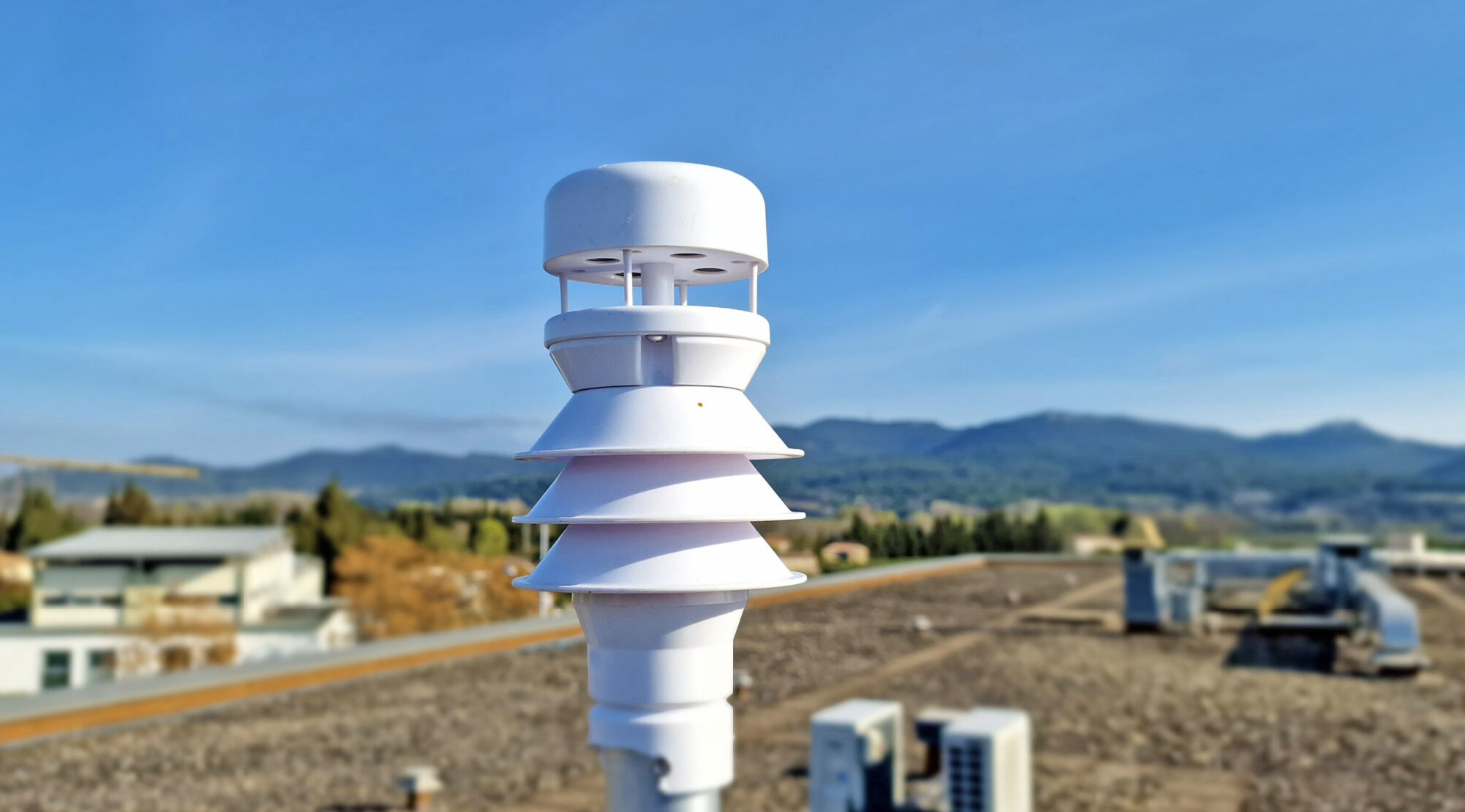
Pollen count measures the concentration of pollen grains per cubic meter of air, indicating potential allergy severity. Local monitoring uses Automated Particulate Sensors with neural network algorithms to identify individual pollen species in the Bay Area. When pollen counts are high, residents commonly experience allergic rhinitis symptoms including sneezing, nasal congestion, itchy eyes, and asthma exacerbations.
Key Pollen Types in Antioch, CA
Oak pollen is the most clinically significant allergen in the Antioch region, with coast live oak and valley oak producing heavy concentrations from March through May. Northern California supports 9 million acres of oaks across nine different species, making oak pollen the primary concern for local allergy sufferers. Bermuda grass dominates the summer months, while ragweed and sagebrush create high weed pollen levels in September.
- Oak Pollen: Coast live oak and valley oak peak in early April and are considered the #1 most clinically significant allergen in Northern California due to high concentrations and severe allergenic properties
- Bermuda Grass: The primary grass allergen from late April through August, with moderate to high levels affecting residents throughout the summer months
- Ragweed Pollen: Produces high weed pollen counts in September during the fall peak season, with pollen grains transported at least 16 km by regional wind patterns
- Olive and Ash Trees: Introduced and native tree species contribute to the extended spring pollen season alongside multiple oak varieties
Climate patterns significantly influence pollen production, with strong correlation between total rainfall one year prior and subsequent pollen levels. Greater precipitation provides a stronger stimulus for pollen production the following season. Warm weather spikes and dry spring days increase pollen dispersal, while regional wind patterns transport allergens from surrounding areas throughout the East Bay.
Seasonal Pollen Patterns in Antioch
Antioch experiences a longer allergy season than most US regions due to California's temperate Mediterranean climate.
- Spring (March to May): Peak tree pollen season dominated by oak species, with heavy concentrations in March and April, transitioning to Bermuda grass in late April and May
- Summer (June to August): Grass pollen dominates with moderate to high Bermuda grass levels continuing throughout the season alongside other grass species
- Fall (September to November): Peak weed pollen season with high ragweed and sagebrush counts in September, plus increased mold spores after autumn rains, typically ending in October or November
- Winter (December to February): Low outdoor pollen levels with allergy season beginning again in late January as early tree pollen emerges
Access Daily Pollen Data for Antioch
The Pollen Count & Alerts App provides real-time pollen monitoring specific to the Antioch area. Track daily levels of tree, grass, weed, and mold spores to plan outdoor activities during low-pollen times. Receive customized alerts when pollen counts spike so you can take preventive measures before symptoms worsen.
Effective Allergy Management Strategies for Antioch Residents
Implementing these practical strategies can significantly reduce your exposure to pollen and minimize allergy symptoms.
- Use the Pollen Count & Alerts App: Monitor real-time pollen levels and receive alerts to plan outdoor activities during low-pollen times, particularly during peak oak season in April
- Maintain Indoor Air Quality: Keep windows closed during high pollen days, especially on dry, warm spring mornings when oak and grass pollen dispersal is highest
- Practice Personal Hygiene: Shower and wash hair before bed to remove pollen particles, and change clothes after spending time outdoors during peak seasons
- Install HEPA Air Purifiers: Use high-efficiency particulate air filters in bedrooms and main living areas to capture airborne pollen grains and reduce indoor allergen concentrations
- Consult an Allergist: Seek professional evaluation for severe reactions to oak pollen or persistent symptoms, as immunotherapy may provide long-term relief for Bay Area allergens
Pollen Count & Alerts App Features to Enhance Your Allergy Management
The Pollen Count & Alerts App offers comprehensive tools designed specifically for managing allergies in the Antioch area.
- Real-Time Pollen Counts: Access the latest pollen data specific to Antioch and the East Bay region, including oak, grass, and ragweed levels
- Customized Alerts: Receive notifications when pollen counts rise in your area so you can adjust outdoor plans and medication timing
- Accurate Forecasts: View multi-day pollen forecasts to prepare for high-count periods during spring oak season and fall ragweed peaks
- Educational Content: Learn about local allergens including the nine oak species native to Northern California and seasonal patterns specific to the Mediterranean climate
- Intuitive Design: Navigate easily through pollen data, historical trends, and personalized recommendations with a user-friendly interface


Explore More on Managing Seasonal Allergies
- Understanding Allergy Pollen Counts: Your Comprehensive Guide – Learn how to interpret pollen count levels and implement evidence-based strategies to reduce your allergy symptoms throughout the year.
- Why Are My Allergies So Bad Right Now? | Pollen Count & Alerts App Blog – Discover the environmental and physiological factors that can cause your allergies to suddenly intensify, even if you've never had severe reactions before.
- Do Allergies Get Worse as You Age? | Pollen Count & Alerts App Blog – Understand how your immune system's response to allergens evolves over your lifetime and why some allergies appear or disappear with age.
Stay updated with the latest tips and insights by visiting the Alert Pollen Blog.
Pollen count in nearby cities
FAQ
When is pollen season in Antioch, CA?
Pollen season in Antioch typically runs from late January through early November, significantly longer than many other U.S. regions due to California's Mediterranean climate. The peak periods occur in spring (March-May) when oak, olive, and ash trees release heavy pollen, and again in fall (September) when ragweed and sagebrush dominate. Grass pollens, particularly Bermuda grass, maintain moderate to high levels throughout the summer months of June through August.
What are the most common allergens in Antioch, CA?
The most clinically significant allergen in Antioch and Northern California is oak pollen, particularly from coast live oak and valley oak, which peaks from March through May with the heaviest concentrations in early April. Bermuda grass is the primary grass allergen, peaking from late April through August, while ragweed leads the fall weed season in September. Other notable allergens include olive, ash, eucalyptus, mulberry, and cedar trees, along with perennial ryegrass, bluegrass, sagebrush, and Russian thistle.
How can I use the Pollen Count & Alerts App to manage my allergies in Antioch?
The Pollen Count & Alerts App provides real-time pollen monitoring specific to the Antioch area, allowing you to plan outdoor activities during lower pollen periods and prepare medication before high-count days. Set personalized alerts for your specific allergens, such as oak or Bermuda grass, so you receive advance warnings when levels are expected to spike. This proactive approach helps reduce exposure during peak seasons and minimizes severe allergic reactions.
Final Thoughts
Living in Antioch means dealing with one of California's longest pollen seasons, with allergens present from late January through early November. However, understanding which pollens peak during specific months and monitoring local conditions empowers you to take control of your allergy symptoms. The Pollen Count & Alerts App gives you the real-time data and personalized forecasts you need to stay ahead of high pollen days.
Download the Pollen Count & Alerts App today to access hyper-local pollen monitoring and customized alerts tailored to Antioch's unique allergen profile. Take the guesswork out of allergy management and breathe easier year-round.
Take Control of Your Allergies Today
The Pollen Count & Alerts App delivers real-time pollen counts for Antioch, personalized alerts for your specific allergens like oak and Bermuda grass, and comprehensive forecasts to help you plan your days. Whether you're managing seasonal rhinitis or asthma triggered by pollen, our app provides the accurate, location-specific data you need. Download now and experience relief through better preparation.