Concord, California sits in the Ygnacio Valley, shielded from coastal moderation by the Berkeley and Oakland Hills and subject to a hot Mediterranean climate. This geography creates uniquely challenging conditions for allergy sufferers, with valley thermal inversions trapping airborne allergens close to the ground and afternoon breezes carrying pollen from surrounding oak-studded hillsides directly into residential areas. This guide covers the main pollen types, seasonal patterns, monitoring resources, and practical strategies to help you manage allergies in Concord throughout the year.
Understanding Pollen Count in Concord, CA
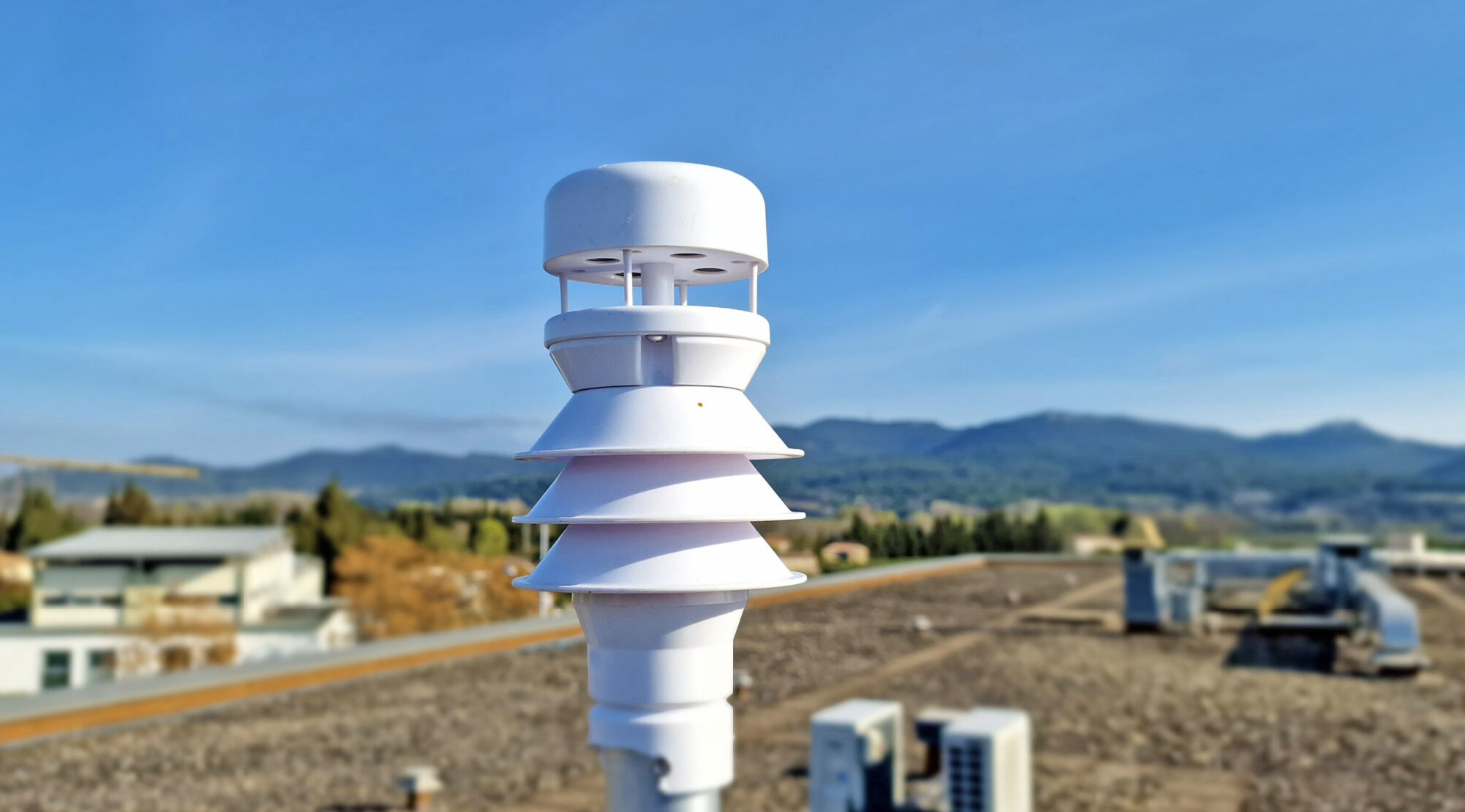
Pollen count measures the concentration of pollen grains per cubic meter of air, typically collected and analyzed using automated particulate sensors. When counts are high, individuals with allergic rhinitis may experience sneezing, congestion, itchy eyes, runny nose, and respiratory symptoms. In Concord, pollen monitoring uses neural network algorithms to identify specific pollen species and calculate daily counts for accurate local forecasts.
Key Pollen Types and Recent Trends in Concord
Concord experiences nearly year-round pollen challenges due to its diverse landscape and climate. The National Allergy Bureau Station 9 in Pleasanton monitors pollen levels along the I-680 corridor, directly reflecting conditions in Concord. Climate change has contributed to higher pollen counts and longer pollen seasons across the region, affecting approximately 30% of the population with allergic rhinitis.
- Oak Pollen: Dominant tree allergen from coast live oak and valley oak, releasing heavy pollen loads from March through May on surrounding hillsides
- Mulberry Pollen: Among the most allergenic urban trees, widely planted as ornamental shade trees in older Concord neighborhoods with concentrated release in March-April
- Grass Pollen: Bermuda grass and ryegrass dominate late spring and early summer from April to July across thousands of acres of grass-covered open space
- Weed Pollen: Sagebrush and ragweed contribute significantly from August through October, with sagebrush growing on drier hillsides and mugwort along creek corridors
The combination of Concord's valley geography, proximity to Mount Diablo's chaparral slopes, and thermal inversions creates conditions that trap allergens near ground level during morning hours. Extended suffering occurs as overlapping pollen seasons create nearly continuous exposure from December through October, with spring representing the most difficult period as tree pollen overlaps with emerging grass pollen.
Seasonal Pollen Patterns in Concord, CA
Concord's pollen seasons overlap significantly, creating allergy challenges throughout most of the year.
- Winter (December to February): Juniper and cypress pollen may begin in mild winters, followed by alder and birch in January-March, with mold thriving during the rainy season
- Spring (March to May): Peak allergy season dominated by heavy oak and mulberry pollen loads, with ash, walnut, and olive contributing mid-to-late season as grass pollen begins in late April
- Summer (June to July): Grass season continues with Bermuda grass and ryegrass blooming across open spaces, extending the pollen challenge into early summer
- Fall (August to October): Weed pollen season dominated by sagebrush and ragweed, with peak concentrations in September-October from hillsides and creek corridors
Access Daily Pollen Data in Concord, CA
The Pollen Count & Alerts App provides real-time pollen monitoring specifically for Concord, tracking tree, grass, weed, and mold spore levels throughout the day. With data reflecting local conditions along the I-680 corridor and Ygnacio Valley geography, you can plan outdoor activities during low-pollen periods and receive personalized alerts when counts spike. Stay informed with accurate, location-specific forecasts that account for Concord's unique valley thermal inversions and afternoon breeze patterns.
Effective Allergy Management Strategies for Concord Residents
Managing pollen allergies in Concord requires proactive planning and consistent protective measures throughout extended pollen seasons.
- Use the Pollen Count & Alerts App: Monitor real-time pollen levels and receive alerts to plan outdoor activities during low-pollen times, especially avoiding morning hours when thermal inversions trap allergens
- Maintain Indoor Air Quality: Keep windows closed during peak pollen periods in spring and fall, particularly when afternoon breezes carry allergens from surrounding hillsides into residential areas
- Practice Personal Hygiene: Shower and change clothes after outdoor exposure, especially during March-April peak tree pollen season, to remove pollen particles from hair and skin
- Install HEPA Air Purifiers: Use high-efficiency particulate air filters in bedrooms and living spaces to reduce indoor pollen concentrations during extended pollen seasons
- Consult an Allergist: Work with Bay Area allergy specialists for personalized treatment plans, including immunotherapy options for managing nearly year-round pollen exposure in Concord's challenging climate
Pollen Count & Alerts App Features for Enhanced Allergy Management
The Pollen Count & Alerts App offers comprehensive tools designed specifically to help Concord residents navigate the region's complex and extended pollen seasons.
- Real-Time Pollen Counts: Access the latest pollen data specific to Concord and the I-680 corridor, updated continuously using automated particulate sensor technology
- Customized Alerts: Receive personalized notifications when oak, grass, weed, or mold levels reach thresholds that trigger your specific allergy symptoms
- Accurate Forecasts: View 5-day pollen forecasts accounting for Concord's valley geography, thermal inversions, and prevailing wind patterns that affect daily allergen levels
- Educational Content: Learn about the 30+ tree, grass, and weed species contributing to Concord's nearly year-round pollen challenges and when each peaks seasonally
- Intuitive Design: Navigate an easy-to-use interface that displays tree, grass, weed, and mold counts separately, helping you identify which allergens are affecting you each day


Learn More About Managing Your Allergies
- Understanding Allergy Pollen Counts: Your Comprehensive Guide – Discover how to interpret pollen count levels and develop effective strategies to minimize your allergy symptoms throughout the year.
- Why Are My Allergies So Bad Right Now? | Pollen Count & Alerts App Blog – Understand the reasons why your allergies may suddenly intensify, including climate change impacts and environmental factors.
- Do Allergies Get Worse as You Age? | Pollen Count & Alerts App Blog – Learn how your body's response to allergens evolves over time and what you can expect as you age.
Stay informed with expert advice and seasonal updates by visiting the Alert Pollen Blog.
Pollen count in nearby cities
FAQ
When is pollen season in Concord, CA?
Pollen season in Concord, CA runs nearly year-round, with the most intense period occurring from March through May during peak tree pollen season. Tree pollen from oak, mulberry, and cedar dominates spring, followed by grass pollen (Bermuda grass and ryegrass) from late April through July, and weed pollen (ragweed and sagebrush) from August through October. Even in winter, juniper and cypress can begin releasing pollen in December, making Concord's allergy season one of the longest in the region.
What are the most common allergens in Concord, CA?
The most common allergens in Concord include oak trees (coast live oak and valley oak), which release heavy pollen loads from March through May, and mulberry trees, widely planted in older neighborhoods and among the most allergenic urban trees with concentrated pollen release in March and April. Bermuda grass and ryegrass contribute significantly from late spring through early summer (April to July), while sagebrush and ragweed dominate the late summer and fall months (August through October). Additional contributors include alder, birch, ash, walnut, olive, juniper, cypress, and various weeds like mugwort, plantain, and Russian thistle.
How can I protect myself from pollen in Concord's hot valley climate?
In Concord's hot Mediterranean climate, stay indoors during morning hours when thermal inversions trap pollen close to the ground, and avoid outdoor activities on windy afternoons when prevailing breezes carry pollen from surrounding hillsides into neighborhoods. Use the Pollen Count & Alerts App to receive real-time alerts about daily pollen levels and plan your outdoor activities accordingly. Keep windows closed during high pollen days, use air conditioning instead, and shower after spending time outside to remove pollen from your skin and hair.
Final Thoughts
Living in Concord, CA means facing nearly continuous pollen challenges from December through October, with particularly intense periods during spring tree pollen season and the valley's unique geography trapping allergens close to the ground. However, with the right information about local pollen types, peak seasons, and daily counts, you can take control of your allergy management. The Pollen Count & Alerts App empowers you with real-time data specific to the Concord area, helping you plan your days and minimize exposure.
Download the Pollen Count & Alerts App today to receive personalized alerts, track local pollen levels, and breathe easier throughout every season in Concord.
Take Control of Your Allergies Today
The Pollen Count & Alerts App provides real-time pollen counts for Concord, CA, personalized alerts based on your specific sensitivities, and comprehensive 5-day forecasts to help you plan ahead. Whether you're dealing with oak pollen in spring, grass in summer, or ragweed in fall, our app keeps you informed and prepared. Download now and start managing your allergies more effectively.