Fremont, California, located in the southeastern San Francisco Bay Area, experiences a Mediterranean climate with mild, wet winters and warm, dry summers. This unique inland position creates a warmer microclimate compared to coastal areas, resulting in early and extended pollen seasons that challenge allergy sufferers year-round. This guide covers Fremont's distinct pollen types, seasonal patterns influenced by climate change, and effective strategies to manage your allergies using the latest monitoring technology.
Understanding Pollen Count in Fremont
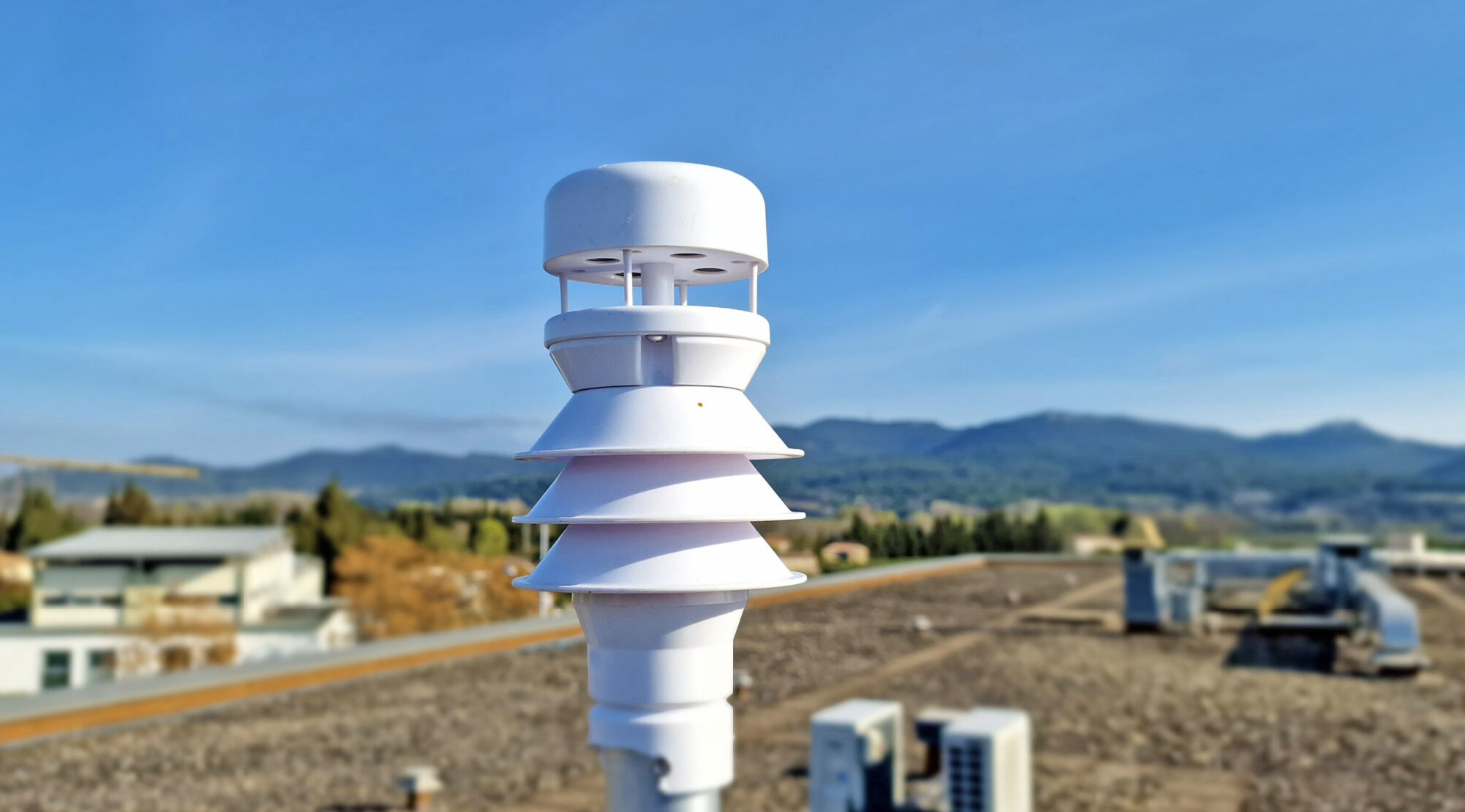
Pollen count measures the number of pollen grains per cubic meter of air over a 24-hour period. In Fremont, automated particulate sensors using neural network algorithms identify specific pollen species and calculate daily counts. High pollen levels typically trigger symptoms like sneezing, itchy eyes, nasal congestion, and worsened asthma, particularly during early morning hours between 5 a.m. and 10 a.m.
Key Pollen Types and Climate Change Trends in Fremont
Fremont's pollen profile is dominated by three major allergen groups that vary seasonally. Stanford University research reveals that Bay Area tree pollen seasons have grown by approximately half a week per year from 2002 to 2019, meaning Fremont residents now experience tree pollen seasons that are 8 to 9 weeks longer than two decades ago. Bay Area grass pollen is considered the most potent allergen group in the region, while Fremont benefits from the notable absence of ragweed, the dominant fall allergen across most of the United States.
- Tree Pollen (Oak, Cedar, Pine): Coast live oak, valley oak, juniper, cedar, cypress, and pine dominate from February to May, with visible yellow pine pollen coating cars during peak season
- Grass Pollen (Bermuda, Bluegrass, Ryegrass): Bay Area's most important allergen group, peaking May through July with exceptionally potent allergenic properties affecting Fremont residents
- Weed Pollen (Nettle, Sagebrush, Dock): Active August through October with native coyote brush and other weeds, notably without ragweed which is absent from the Bay Area
- Non-Native Ornamental Trees: Alder, elm, Australian pine, and pistache contribute heavily to Bay Area pollen counts as introduced ornamental species
Climate change is reshaping Fremont's pollen landscape, with warmer winters lengthening pollen seasons and increasing overall pollen counts. Fremont's warmer inland position relative to coastal Bay Area communities causes earlier pollen season starts and longer duration exposure. The 30,000-acre Don Edwards San Francisco Bay National Wildlife Refuge bordering Fremont's entire western edge creates a unique geographic feature that influences local vegetation and pollen dispersal patterns.
Seasonal Pollen Patterns in Fremont
Fremont's pollen seasons follow a distinct Mediterranean climate pattern with year-round allergen exposure.
- Winter (December to January): Lowest pollen activity provides a respite period, though late January may see early juniper, cedar, and cypress pollen emergence
- Spring (February to May): Tree pollen season peaks with oak species dominating March through May, mulberry producing intense 1-month pollination in March-April, and overall tree pollen peaking in April
- Summer (June to August): Grass pollen peaks May through July with Bermuda grass, Kentucky bluegrass, and ryegrass creating the most potent allergen exposure, transitioning to early weed pollen in August
- Fall (September to November): Weed pollen from nettle, sagebrush, dock, and native coyote brush dominates August through October, with significantly reduced allergen load compared to other US regions due to ragweed absence
Access Daily Pollen Data in Fremont
The Pollen Count & Alerts App provides real-time pollen monitoring specifically for Fremont, tracking tree, grass, weed, and mold spore levels throughout the day. Receive customized alerts when pollen counts spike, allowing you to plan outdoor activities during low-pollen periods and adjust medication accordingly. Download the app today to stay informed about Fremont's unique pollen conditions.
Effective Allergy Management Strategies for Fremont Residents
Managing pollen allergies in Fremont requires a combination of technology, environmental control, and medical guidance.
- Use the Pollen Count & Alerts App: Monitor real-time pollen levels and receive alerts to plan outdoor activities during low-pollen times, particularly avoiding early morning hours when counts peak
- Improve Indoor Air Quality: Keep windows closed during high pollen periods, especially from 5 a.m. to 10 a.m., and use air conditioning with clean filters to maintain pollen-free indoor environments
- Practice Personal Hygiene: Shower and change clothes after outdoor activities to remove pollen from hair and skin, preventing nighttime allergen exposure
- Install HEPA Air Purifiers: Use high-efficiency particulate air filters in bedrooms and living spaces to capture airborne pollen particles and reduce indoor allergen concentrations
- Consult a Local Allergist: Fremont offers multiple allergy and asthma specialists who provide skin testing, immunotherapy shots, and personalized treatment plans for Bay Area-specific allergens
Pollen Count & Alerts App Features for Fremont Allergy Management
The Pollen Count & Alerts App delivers comprehensive tools designed specifically to help Fremont residents manage their allergies effectively.
- Real-Time Pollen Counts: Access the latest pollen data specific to Fremont using automated particulate sensors with neural network identification technology
- Customized Pollen Alerts: Receive notifications when tree, grass, or weed pollen levels spike in your area, allowing proactive allergy management
- Accurate Multi-Day Forecasts: Plan your week ahead with detailed pollen forecasts for Fremont's unique climate and vegetation patterns
- Educational Allergen Content: Learn about Bay Area-specific pollen types including oak, grass, and native plants that affect Fremont residents
- Intuitive User Interface: Navigate easily through pollen data, forecasts, and personalized recommendations with a clean, user-friendly design


Learn More About Managing Your Pollen Allergies
- Understanding Allergy Pollen Counts: Your Comprehensive Guide – Discover how to interpret pollen count levels and develop effective strategies to minimize your allergy symptoms throughout the year.
- Why Are My Allergies So Bad Right Now? | Pollen Count & Alerts App Blog – Explore the factors that can cause your allergies to intensify unexpectedly, including climate change impacts and environmental triggers.
- Do Allergies Get Worse as You Age? | Pollen Count & Alerts App Blog – Learn how allergic sensitivities evolve throughout your lifetime and what you can do to adapt your allergy management approach.
Stay updated with the latest tips and insights by visiting the Alert Pollen Blog.
Pollen count in nearby cities
FAQ
When is pollen season in Fremont, CA?
Fremont experiences pollen activity nearly year-round due to its mild Mediterranean climate. Tree pollen season runs from February through May, with oak species peaking in March and April. Grass pollen follows from mid-March through July, with the most intense symptoms in May through July, while weed pollen is present from August through October.
What are the most common allergens in Fremont, CA?
The primary allergens in Fremont include oak trees (coast live oak, valley oak, and blue oak), which are extremely abundant and peak from March to May. Grass pollen from Bermuda grass, Kentucky bluegrass, and ryegrass is considered the most important allergen group in the Bay Area, with peak activity from May through July. Common weed allergens include nettle, sagebrush, dock, pigweed, and English plantain during August through October. Notably, ragweed, a major fall allergen elsewhere in the US, is essentially absent from the Fremont area.
What's the best time of day to avoid high pollen levels in Fremont?
Pollen levels in Fremont are highest between 5 a.m. and 10 a.m., so plan outdoor activities for the afternoon or evening when possible. Using the Pollen Count & Alerts App can help you monitor real-time pollen levels and receive personalized alerts to plan your day accordingly. On high pollen count days, keep windows closed during peak morning hours and shower after being outdoors to remove pollen from your hair and skin.
Final Thoughts
While Fremont's mild climate and extended pollen seasons can pose challenges for allergy sufferers, understanding your local pollen patterns gives you the power to take control of your symptoms. With tree pollen seasons now 8-9 weeks longer than two decades ago due to climate change, staying informed about daily pollen levels is more important than ever. The Pollen Count & Alerts App provides the real-time data and personalized insights you need to navigate Fremont's unique pollen landscape confidently.
Take the first step toward better allergy management today by downloading the Pollen Count & Alerts App. With accurate, location-specific pollen forecasts at your fingertips, you can plan your days around your health and enjoy more symptom-free time outdoors.
Ready to Take Control of Your Allergies?
The Pollen Count & Alerts App delivers real-time pollen counts, personalized alerts based on your specific triggers, and comprehensive forecasts tailored to Fremont's unique pollen profile. Whether you're sensitive to oak, grass, or weed pollen, our app helps you stay one step ahead of your symptoms. Download now and breathe easier all year long.