Tuscaloosa, Alabama, situated in the state's west-central region, experiences a humid subtropical climate that supports diverse vegetation year-round. This mild, humid environment creates overlapping pollen seasons, with oak dominating spring, Bermuda grass peaking in summer, and ragweed causing severe fall allergies. This article explores Tuscaloosa's pollen types, seasonal patterns, recent trends, and practical strategies to manage allergies effectively throughout the year.
Understanding Pollen Count in Tuscaloosa
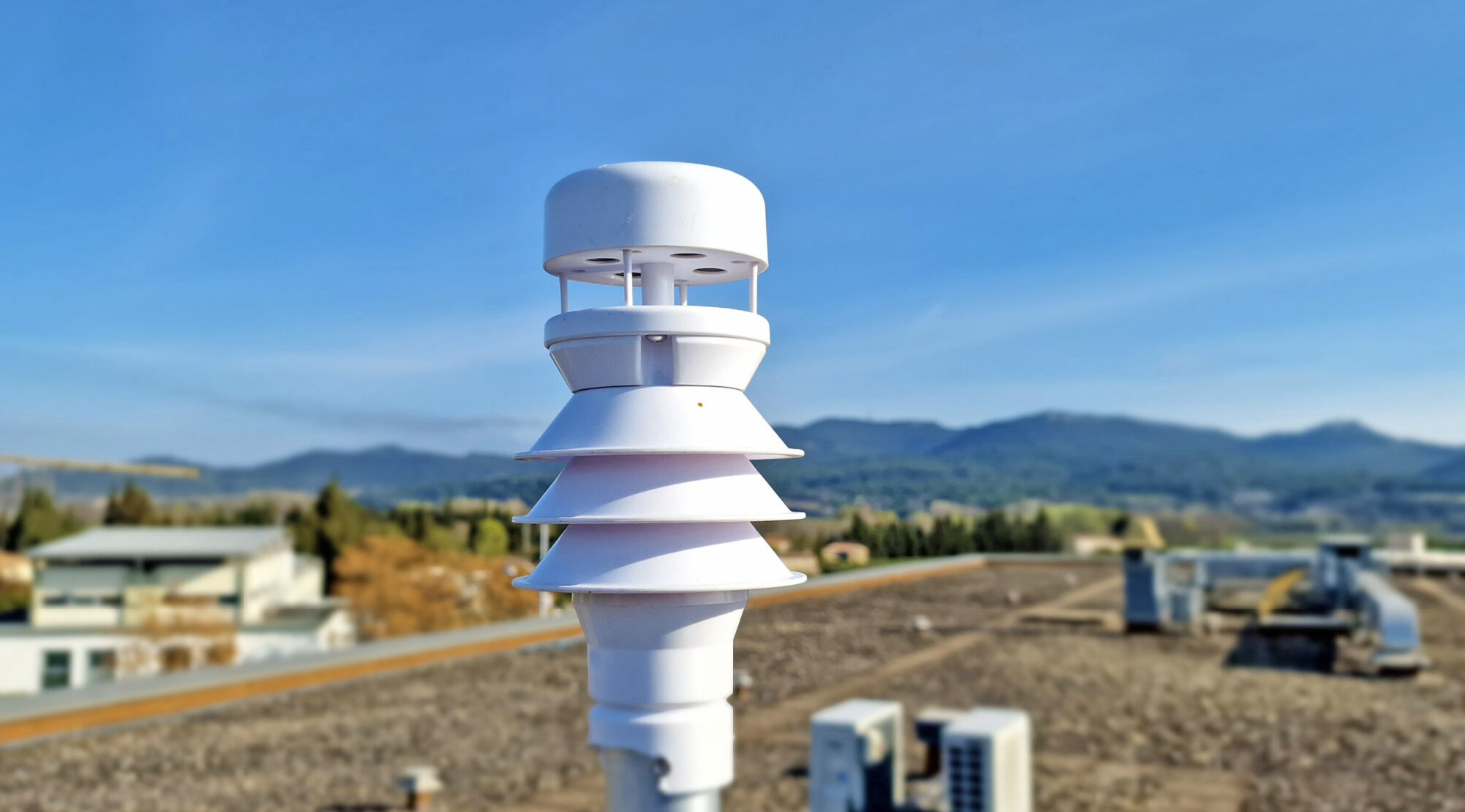
Pollen count measures the concentration of pollen grains per cubic meter of air, helping residents assess daily allergy risk. When counts reach "High" or "Very High" levels, sensitive individuals may experience sneezing, congestion, itchy eyes, and respiratory discomfort. Automated sensors throughout Tuscaloosa provide real-time measurements to help you plan outdoor activities accordingly.
Key Pollen Types and Recent Trends in Tuscaloosa
Tuscaloosa faces year-round pollen challenges due to its diverse flora and favorable growing conditions. Recent monitoring data from February 2022 through May 2023 reveals that tree pollen frequently reaches "Very High" levels during spring months, with oak and birch as primary contributors. Current observations from May 2026 confirm that oak and birch continue to dominate the tree pollen landscape, while ragweed remains the most problematic fall allergen.
- Oak Pollen: The major spring allergen in Tuscaloosa, frequently reaching "Very High" levels from February through May
- Ragweed Pollen: Dominates late summer and fall as the prime offender, producing exceptionally high pollen counts from August through October
- Bermuda Grass Pollen: A major nuisance during late spring and summer months, peaking in afternoon and early evening hours
- Mold Spores: Prevalent year-round in Tuscaloosa's humid climate, intensifying in warm weather and around decomposing organic matter
Alabama's mild climate and high humidity create ideal conditions for extended pollen seasons, with overlapping tree, grass, and weed cycles that can trigger continuous allergic reactions. Urbanization has intensified local pollen concentrations through ornamental landscaping featuring oak, pecan, and cedar trees, while maintained lawns with Bermuda and ryegrass contribute additional grass pollen loads throughout residential areas.
Seasonal Pollen Patterns in Tuscaloosa
Tuscaloosa's pollen calendar reflects distinct seasonal peaks throughout the year:
- Spring (February to May): Dominated by tree pollen from oak, cedar, ash, birch, pine, pecan, elm, and maple, with oak and birch reaching "Very High" levels
- Summer (Late May to August): Characterized by grass pollen peaks from Bermuda grass, Bahia grass, Kentucky bluegrass, ryegrass, and Timothy grass, with highest concentrations in afternoon and early evening
- Fall (August to October): Ruled by weed pollen, particularly common ragweed, along with mugwort, pigweed, sagebrush, and Russian thistle producing severe allergic reactions
- Winter (November to January): Lower overall pollen levels, though mold spores remain active in humid conditions and mild temperatures may trigger early tree pollen release
Accessing Daily Pollen Data in Tuscaloosa
The Pollen Count & Alerts App provides Tuscaloosa residents with real-time pollen monitoring to help plan daily activities. Track current levels of tree, grass, weed pollen, and mold spores specific to your location, with accurate forecasts based on automated particulate sensors using neural network algorithms. Receive customized alerts when pollen reaches high levels, allowing you to take preventive measures before symptoms begin.
Effective Allergy Management Strategies for Tuscaloosa Residents
Take control of your allergies with these practical daily strategies:
- Use the Pollen Count & Alerts App: Monitor real-time pollen levels and receive alerts to plan outdoor activities during low-pollen times throughout Tuscaloosa's year-round allergy seasons
- Improve Indoor Air Quality: Keep windows closed during high pollen days, particularly in spring mornings and summer afternoons when tree and grass pollen peak
- Practice Personal Hygiene: Shower and change clothes after outdoor activities to remove pollen particles from skin and hair, preventing nighttime allergy symptoms
- Install HEPA Air Purifiers: Use high-efficiency particulate air filters in bedrooms and main living areas to capture pollen grains and mold spores circulating indoors
- Consult an Allergist: Visit local specialists such as Alabama ENT Specialists in Tuscaloosa for allergy testing, personalized treatment plans, and immunotherapy options
App Features to Enhance Your Allergy Management
The Pollen Count & Alerts App offers comprehensive tools designed specifically for Tuscaloosa's complex allergy environment:
- Real-Time Pollen Counts: Access the latest pollen data specific to Tuscaloosa, including separate measurements for oak, ragweed, Bermuda grass, and mold spores
- Customized Alerts: Receive personalized notifications when pollen levels reach thresholds that trigger your specific allergy symptoms
- Accurate Forecasts: View 5-day pollen forecasts to plan outdoor activities, yard work, and exercise routines around low-pollen periods
- Educational Content: Learn about specific allergens affecting Tuscaloosa, including identification of local trees, grasses, and weeds contributing to your symptoms
- Intuitive Design: Navigate easily through pollen data, historical trends, and allergy management tips with a user-friendly interface designed for daily use


Learn More About Managing Your Allergies
- Understanding Allergy Pollen Counts: Your Comprehensive Guide – Discover how to interpret pollen count levels and develop effective strategies to minimize your exposure to seasonal allergens.
- Why Are My Allergies So Bad Right Now? | Pollen Count & Alerts App Blog – Find out why your allergies may worsen unexpectedly and what environmental factors could be triggering more severe reactions.
- Do Allergies Get Worse as You Age? | Pollen Count & Alerts App Blog – Understand how your body's immune response to allergens evolves throughout different life stages and what to expect as you age.
Stay updated with the latest tips and insights by visiting the Alert Pollen Blog.
Pollen count in nearby cities
FAQ
When is pollen season in Tuscaloosa, Alabama?
Tuscaloosa experiences year-round pollen concerns due to overlapping allergy seasons. Tree pollen peaks from February through May, with oak and birch reaching very high levels in spring. Grass pollen dominates from late May through August, while weed pollen, particularly ragweed, creates significant problems from August through October.
What are the most common allergens in Tuscaloosa, Alabama?
The primary allergens in Tuscaloosa include oak, birch, cedar, and ash trees during spring months, Bermuda grass and bahia grass from late spring through summer, and ragweed during late summer and fall. Mold spores are also prevalent year-round due to Alabama's humid subtropical climate, intensifying in warm, damp conditions and decomposing leaves.
How can I track daily pollen levels in Tuscaloosa to better manage my allergies?
The Pollen Count & Alerts App provides real-time pollen monitoring specific to Tuscaloosa, helping you plan outdoor activities around daily pollen levels. By checking current conditions and forecasts, you can take preventive medications before peak pollen times and limit outdoor exposure during very high pollen days. The app's personalized alerts notify you when allergens you're sensitive to reach concerning levels.
Final Thoughts
Living in Tuscaloosa means navigating year-round pollen challenges from oak, ragweed, and numerous other allergens thriving in Alabama's mild, humid climate. However, with accurate information about local pollen patterns and the right tools, you can take control of your allergy symptoms. The Pollen Count & Alerts App empowers you with real-time data specific to Tuscaloosa, helping you make informed decisions about your daily activities.
Don't let pollen dictate your life in Tuscaloosa. Download the Pollen Count & Alerts App today and experience the freedom of knowing exactly when allergen levels peak in your area.
Take Control of Your Allergies Today
The Pollen Count & Alerts App delivers real-time pollen counts for Tuscaloosa, personalized alerts based on your specific sensitivities, and comprehensive forecasts to help you plan ahead. Whether you're dealing with spring oak pollen, summer grasses, or fall ragweed, our app keeps you informed and prepared. Download now and breathe easier knowing what's in the air around you.