Huntsville, Alabama sits in the Tennessee Valley, surrounded by hills and waterways that create a basin where pollen settles and lingers. The region's mild winters, warm humid summers, and abundant vegetation contribute to particularly intense and extended allergy seasons. This article explores Huntsville's pollen types, seasonal patterns, recent trends, and strategies to help residents manage their allergies throughout the year.
Understanding Pollen Count in Huntsville
Pollen count measures the number of pollen grains per cubic meter of air, helping predict allergy symptom severity. When pollen counts are high, residents commonly experience nasal congestion, runny nose, sneezing, eye irritation, and asthma exacerbation. Huntsville's basin geography causes pollen to accumulate rather than disperse quickly, often resulting in elevated counts during peak seasons.
Key Pollen Types and Recent Trends in Huntsville
Huntsville experiences three distinct pollen seasons with minimal relief between them. The freeze-free growing season has increased by an average of 21 days since 1970, extending allergy symptoms from as early as February through late October. Climate change is contributing to higher overall pollen counts and longer exposure periods each year.
- Oak and Pine Pollen: Dominate spring months producing visible yellow dust that coats surfaces throughout April and May, the peak tree pollen season
- Bermuda and Timothy Grass Pollen: Thrive in Huntsville's hot climate with peak production in June, extending grass allergy season through August
- Ragweed Pollen: Peaks in September with single plants producing up to 1 billion pollen grains per season, causing chronic cough and breathing difficulties
- Cedar and Juniper Pollen: Begin releasing as early as late winter in February, starting the allergy season earlier than in many other regions
The Tennessee Valley's dense tree coverage and suburban expansion with high-allergen landscaping have created particularly challenging conditions. Huntsville has developed a reputation for intense allergy seasons compared to other US cities, with multiple overlapping pollen periods giving residents little recovery time between tree, grass, and weed seasons.
Seasonal Pollen Patterns in Huntsville
Understanding Huntsville's seasonal pollen calendar helps residents prepare for peak allergy periods throughout the year.
- Spring (March to May): Dominated by tree pollen from oak, pine, cedar, maple, elm, and sycamore with peak production in April and May creating widespread yellow dust
- Summer (June to August): Peak grass pollen season led by Bermuda, Timothy, and Johnson grass with highest counts in June and late summer weed pollen emergence
- Fall (September to October): Ragweed reaches peak levels in September causing severe symptoms that can persist through late October for sensitive individuals
- Winter (November to January): Lowest pollen levels providing a respite period, though mild winters mean less recovery time and earlier spring pollen onset
Access Daily Pollen Data for Huntsville
The Pollen Count & Alerts App provides real-time pollen monitoring specifically for Huntsville, tracking tree, grass, weed, and mold spore levels throughout the day. Morning hours typically show the highest pollen counts with peaks by midday and early afternoon. Stay informed with location-specific data to plan your outdoor activities during lower pollen periods.
Effective Allergy Management Strategies for Huntsville Residents
These evidence-based strategies can help minimize allergy symptoms during Huntsville's extended pollen seasons.
- Use the Pollen Count & Alerts App: Monitor real-time pollen levels and receive personalized alerts to plan outdoor activities during low-pollen times
- Improve Indoor Air Quality: Keep windows closed during peak pollen hours, use air conditioning with clean filters, and create a pollen-free indoor environment
- Practice Personal Hygiene: Shower and change clothes after being outdoors to remove pollen from hair and skin, preventing nighttime symptom flare-ups
- Install HEPA Air Purifiers: Use high-efficiency particulate air filters in bedrooms and main living areas to capture airborne pollen particles indoors
- Consult an Allergist: Seek professional testing and treatment options including immunotherapy for long-term relief from Huntsville's intense allergy seasons
Pollen Count & Alerts App Features for Enhanced Allergy Management
The Pollen Count & Alerts App offers comprehensive tools designed specifically to help Huntsville residents navigate the Tennessee Valley's challenging allergy environment.
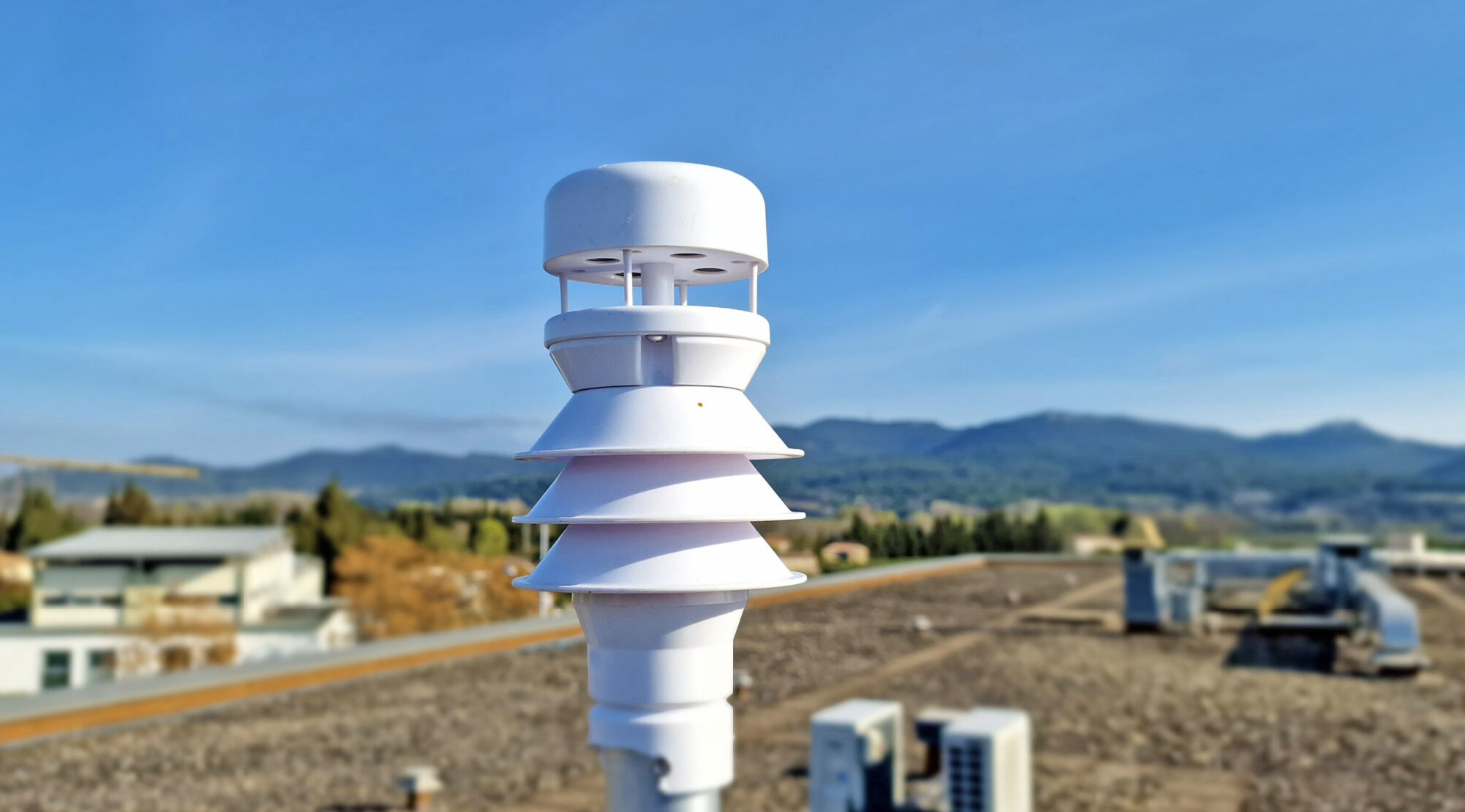
- Real-Time Pollen Counts: Access the latest pollen data specific to Huntsville using automated particulate sensors with neural network identification technology
- Customized Allergy Alerts: Receive personalized notifications when pollen levels for your specific allergens reach thresholds that may trigger symptoms
- Accurate Multi-Day Forecasts: Plan ahead with reliable 5-day pollen forecasts covering tree, grass, and weed pollen throughout changing seasons
- Educational Allergy Content: Learn about local allergens including oak, pine, Bermuda grass, and ragweed with species-specific information for the Tennessee Valley
- Intuitive User Interface: Navigate effortlessly through pollen data, historical trends, and management tips designed for daily practical use


Learn More About Managing Your Allergies
- Understanding Allergy Pollen Counts: Your Comprehensive Guide – Discover how to interpret pollen count levels and develop effective strategies to minimize allergy symptoms throughout the season.
- Why Are My Allergies So Bad Right Now? | Pollen Count & Alerts App Blog – Understand the various factors, from climate change to geographic location, that can cause your allergies to intensify unexpectedly.
- Do Allergies Get Worse as You Age? | Pollen Count & Alerts App Blog – Learn why your body's immune response to allergens can shift over time and what to expect as you age.
Stay informed about pollen trends and allergy management by visiting the Alert Pollen Blog.
Pollen count in nearby cities
FAQ
When is pollen season in Huntsville, AL?
Pollen season in Huntsville, AL runs nearly year-round due to the city's mild climate and extended growing season. Tree pollen peaks from March through May with oak and pine being dominant, grass pollen is highest in June through August with Bermuda and Timothy grass leading the way, and ragweed takes over in September and October. Allergy symptoms can start as early as February and extend into late October, giving residents little relief throughout most of the year.
What are the most common allergens in Huntsville, AL?
The most common allergens in Huntsville include oak and pine tree pollen in spring, which creates the visible yellow dust coating surfaces throughout the city. During summer, Bermuda grass, Timothy grass, and Johnson grass dominate the allergen landscape, thriving in the hot, humid climate. Fall brings ragweed, the most potent allergen, with a single plant producing up to one billion pollen grains per season, along with mugwort and other weeds that persist through October.
How can I protect myself from Huntsville's intense pollen seasons?
Monitor daily pollen counts using the Pollen Count & Alerts App to plan outdoor activities when levels are lower, typically in the late afternoon or after rain. Keep windows closed during peak pollen months, shower and change clothes after being outdoors, and run air conditioning with clean filters to reduce indoor pollen exposure. The basin geography of Huntsville traps pollen in the area, so being proactive about checking forecasts and limiting exposure during high-count days is especially important in this region.
Final Thoughts
Living in Huntsville, AL means facing one of the most challenging allergy environments in the country, with the Tennessee Valley's basin geography trapping pollen and the mild climate extending seasons far beyond the national average. However, armed with accurate information about local pollen types, peak seasons, and monitoring resources, you can take control of your allergy symptoms. The Pollen Count & Alerts App provides the real-time data you need to make informed decisions about your daily activities and health.
Download the Pollen Count & Alerts App today to receive personalized pollen alerts for Huntsville and stay one step ahead of your allergies. With local forecasts and timely notifications, you'll be prepared for even the most intense pollen days.
Take Control of Your Allergies Today
The Pollen Count & Alerts App delivers real-time pollen counts specific to Huntsville, personalized alerts tailored to your sensitivities, and comprehensive forecasts covering trees, grasses, and weeds. Stop letting pollen dictate your schedule and start making informed decisions about when to go outside, when to take medication, and how to protect yourself. Download the app now and breathe easier all season long.