Murfreesboro, located in Middle Tennessee's Rutherford County, experiences a humid subtropical climate with short winters that support abundant vegetation year-round. The region's dense tree cover, widespread grass lawns, and proliferation of ragweed create three distinct, intense allergy seasons that affect a significant portion of the population. This guide provides comprehensive information about pollen types, seasonal patterns, peak months, and practical strategies to help Murfreesboro residents manage their allergy symptoms throughout the year.
Understanding Pollen Count in Murfreesboro
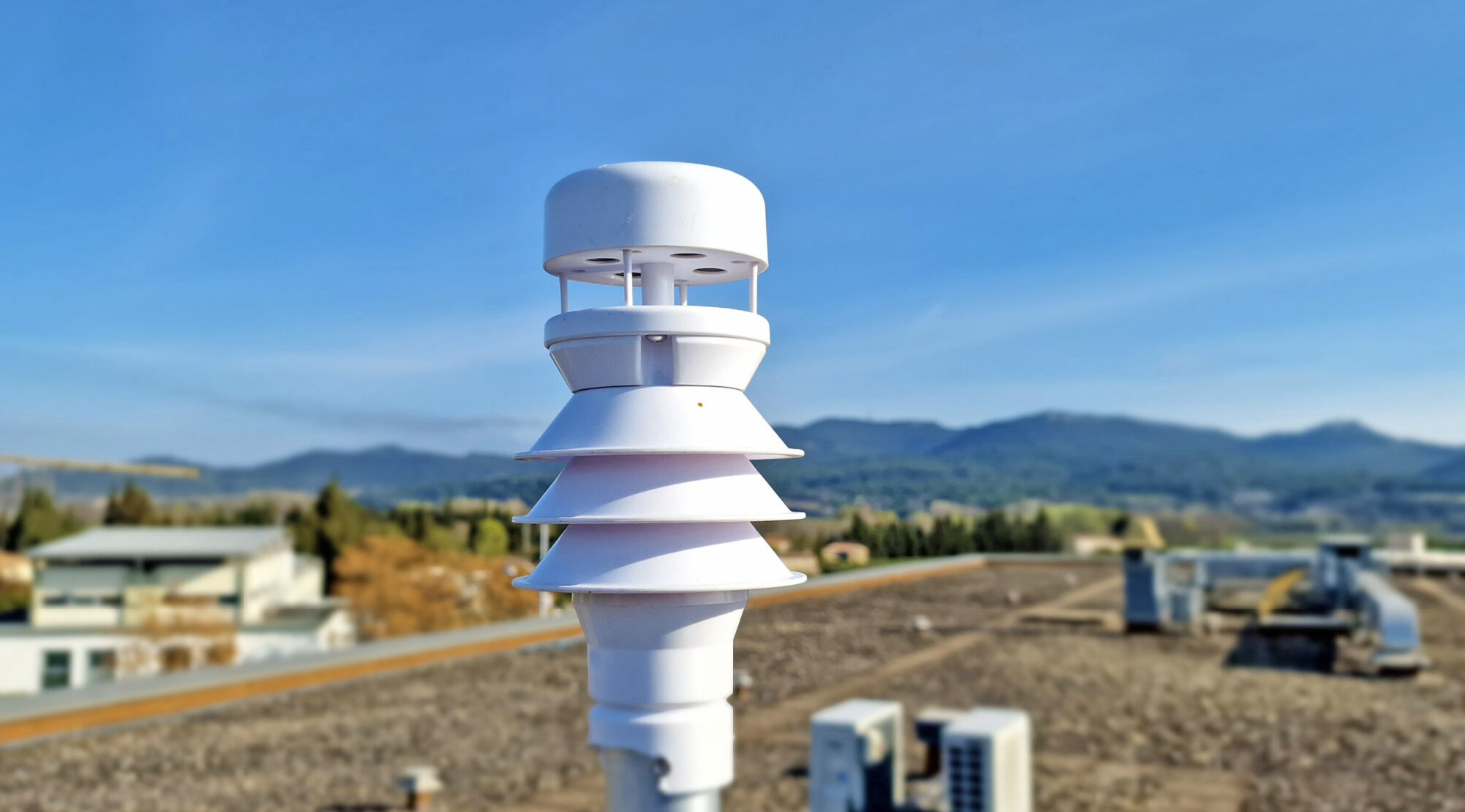
Pollen count measures the concentration of pollen grains per cubic meter of air, typically categorized as low, moderate, high, or extremely high. During peak seasons in Murfreesboro, particularly in April, June, and September, pollen levels can reach extremely high levels, triggering symptoms such as sneezing, nasal congestion, itchy eyes, respiratory difficulties, and asthma exacerbations. Real-time monitoring using automated particulate sensors with neural network algorithms helps identify specific pollen species and provides accurate daily forecasts for the region.
Key Pollen Types and Significant Allergens in Murfreesboro
Murfreesboro experiences three primary pollen seasons throughout the year, with oak and ragweed being the most problematic allergens for local residents. Recent observations show that prolonged dry weather combined with blooming vegetation has significantly increased airborne pollen concentrations across Middle Tennessee. The region's mild climate and abundant plant diversity create optimal conditions for extended pollen production, with tree pollen risk reaching extremely high levels during April, the highest overall pollen month in Tennessee.
- Oak Pollen: The most prevalent spring allergen in Murfreesboro, peaking in April when overall pollen levels reach their annual maximum
- Ragweed Pollen: The dominant fall allergen affecting 10-30% of the population, with September representing the worst month for ragweed exposure
- Grass Pollen: Multiple species including Bermuda grass and Kentucky bluegrass create a second major peak in June across urban and suburban landscapes
- Eastern Red Cedar Pollen: A particularly significant early-season allergen that begins pollinating as early as December and peaks through April
Tennessee's terrain and valley systems allow pollen to concentrate and spread easily, with ragweed pollen capable of traveling long distances on wind currents. The state is recognized as a hotspot for pollen allergies, with pollen ranking as the most prevalent inhaled allergen in the region, affecting residents throughout the extended growing season enabled by short winters and early spring warming.
Seasonal Pollen Patterns in Murfreesboro
Murfreesboro experiences predictable allergy seasons with three distinct peaks throughout the year:
- Late Winter/Spring (February to May): Dominated by tree pollen from oak, maple, Eastern red cedar, hickory, ash, willow, and mulberry, with April representing the highest overall pollen month
- Late Spring/Summer (June to July): Characterized by grass pollen from Bermuda grass, Kentucky bluegrass, ryegrass, timothy, fescue, and bahiagrass, with June marking the second major peak month
- Late Summer/Fall (August to October): Ragweed pollen dominates this season beginning in August, reaching its worst levels in September as the third major peak month, and persisting through October
- Winter (November to January): Low pollen activity overall, though Eastern red cedar may begin pollinating in December for early-sensitive individuals
Access Daily Pollen Data for Murfreesboro
The Pollen Count & Alerts App provides real-time pollen monitoring specifically for Murfreesboro residents, tracking tree, grass, weed, and mold spore levels throughout the day. With data sourced from multiple monitoring platforms including Pollen.com, IQAir, and WeatherBug, you can access accurate 5-day forecasts tailored to your specific zip code. Stay informed about current conditions and plan your outdoor activities during low-pollen times to minimize allergy symptoms.
Effective Allergy Management Strategies for Murfreesboro Residents
Managing pollen allergies in Murfreesboro requires proactive monitoring and practical preventive measures:
- Use the Pollen Count & Alerts App: Monitor real-time pollen levels and receive customized alerts to plan outdoor activities during low-pollen times throughout April, June, and September peaks
- Improve Indoor Air Quality: Keep windows closed during high-pollen days, especially during peak morning hours when pollen release is highest, and use air conditioning with clean filters
- Practice Personal Hygiene: Shower and change clothes after outdoor exposure to remove pollen from skin and hair, and wash bedding regularly in hot water
- Install HEPA Air Purifiers: Use high-efficiency particulate air filters in bedrooms and living areas to capture airborne pollen particles and reduce indoor allergen concentrations
- Consult Local Allergists: Seek professional care from Murfreesboro allergy specialists who offer testing, immunotherapy, and medication management tailored to regional allergens like oak and ragweed
Enhance Your Allergy Management with the Pollen Count & Alerts App
The Pollen Count & Alerts App offers comprehensive features designed specifically for Murfreesboro residents to manage their seasonal allergies effectively:
- Real-Time Pollen Counts: Access the latest pollen data specific to Murfreesboro with measurements for tree, grass, weed, and mold spore levels throughout the day
- Customized Allergy Alerts: Receive personalized notifications when pollen levels spike in your area, helping you prepare for high-pollen days during April, June, and September peaks
- Accurate 5-Day Forecasts: Plan your week ahead with reliable pollen predictions based on automated particulate sensor technology and neural network species identification
- Educational Allergen Content: Learn about specific local allergens including oak, ragweed, Eastern red cedar, and grass species prevalent in Middle Tennessee
- Intuitive User Interface: Navigate easily through pollen data, historical trends, and seasonal patterns with a clean design optimized for quick daily reference


Explore More on Managing Seasonal Allergies
- Understanding Allergy Pollen Counts: Your Comprehensive Guide – Learn how to interpret pollen count levels and develop effective strategies to minimize your exposure during peak allergy seasons.
- Why Are My Allergies So Bad Right Now? | Pollen Count & Alerts App Blog – Discover the environmental and biological factors that can cause your seasonal allergies to intensify unexpectedly from one year to the next.
- Do Allergies Get Worse as You Age? | Pollen Count & Alerts App Blog – Understand how your body's allergic responses evolve throughout your lifetime and why new sensitivities can develop as you age.
Stay updated with the latest tips and insights by visiting the Alert Pollen Blog.
Pollen count in nearby cities
FAQ
When is pollen season in Murfreesboro, TN?
Murfreesboro experiences three distinct pollen seasons throughout the year. Tree pollen peaks from February through May, with April being the highest overall pollen month, dominated by oak, maple, and eastern red cedar. Grass pollen season runs from late spring through summer (June-July), followed by ragweed season from August through October, with September typically seeing the worst conditions.
What are the most common allergens in Murfreesboro, TN?
The most common allergens in Murfreesboro include oak trees, which are the most prevalent spring allergen peaking in April, followed by maple, eastern red cedar, and hickory. During summer months, Bermuda grass, Kentucky bluegrass, and ryegrass dominate, while ragweed becomes the primary allergen in fall, particularly from August through October. Other significant contributors include ash, willow, mulberry, and various pine species throughout the spring season.
How can I track daily pollen levels in Murfreesboro to better manage my allergies?
The Pollen Count & Alerts App provides real-time pollen monitoring specifically for Murfreesboro zip codes, giving you daily forecasts and personalized alerts when pollen levels spike. By checking the app each morning, you can plan outdoor activities during lower pollen times and prepare with appropriate medications before levels reach their peak. The app uses automated sensors with advanced technology to identify specific pollen types, helping you understand exactly which allergens are affecting you each day.
Final Thoughts
Living in Murfreesboro means navigating three distinct allergy seasons with oak, grass, and ragweed each taking their turn throughout the year. While the region's humid climate and abundant vegetation create challenging conditions for allergy sufferers, staying informed about daily pollen levels empowers you to take control of your health. The Pollen Count & Alerts App gives you the real-time data you need to plan your days around pollen peaks and minimize uncomfortable symptoms.
Don't let pollen dictate your outdoor activities. Download the Pollen Count & Alerts App today to receive personalized alerts and accurate forecasts tailored specifically to Murfreesboro's unique pollen patterns.
Take Control of Your Allergies Today
The Pollen Count & Alerts App delivers real-time pollen counts, personalized alerts based on your specific sensitivities, and comprehensive 5-day forecasts for Murfreesboro. With advanced sensor technology identifying individual pollen species, you'll know exactly what's in the air and when to take precautions. Download the app now and breathe easier all year long.