Toledo sits on the western tip of Lake Erie in northwest Ohio, where a humid continental climate and the flat, fertile landscape of the former Great Black Swamp create ideal conditions for prolific pollen production. Residents face an extended allergy season that can stretch from February through November, with overlapping tree, grass, and ragweed peaks compounded by high mold spore counts driven by lake-effect humidity. Toledo has gained 45 more consecutive freeze-free days since 1970, making pollen seasons both longer and more intense. This guide covers the main pollen types in Toledo, seasonal patterns, recent trends, and practical strategies for managing your allergies year-round.
Understanding Pollen Count in Toledo, OH
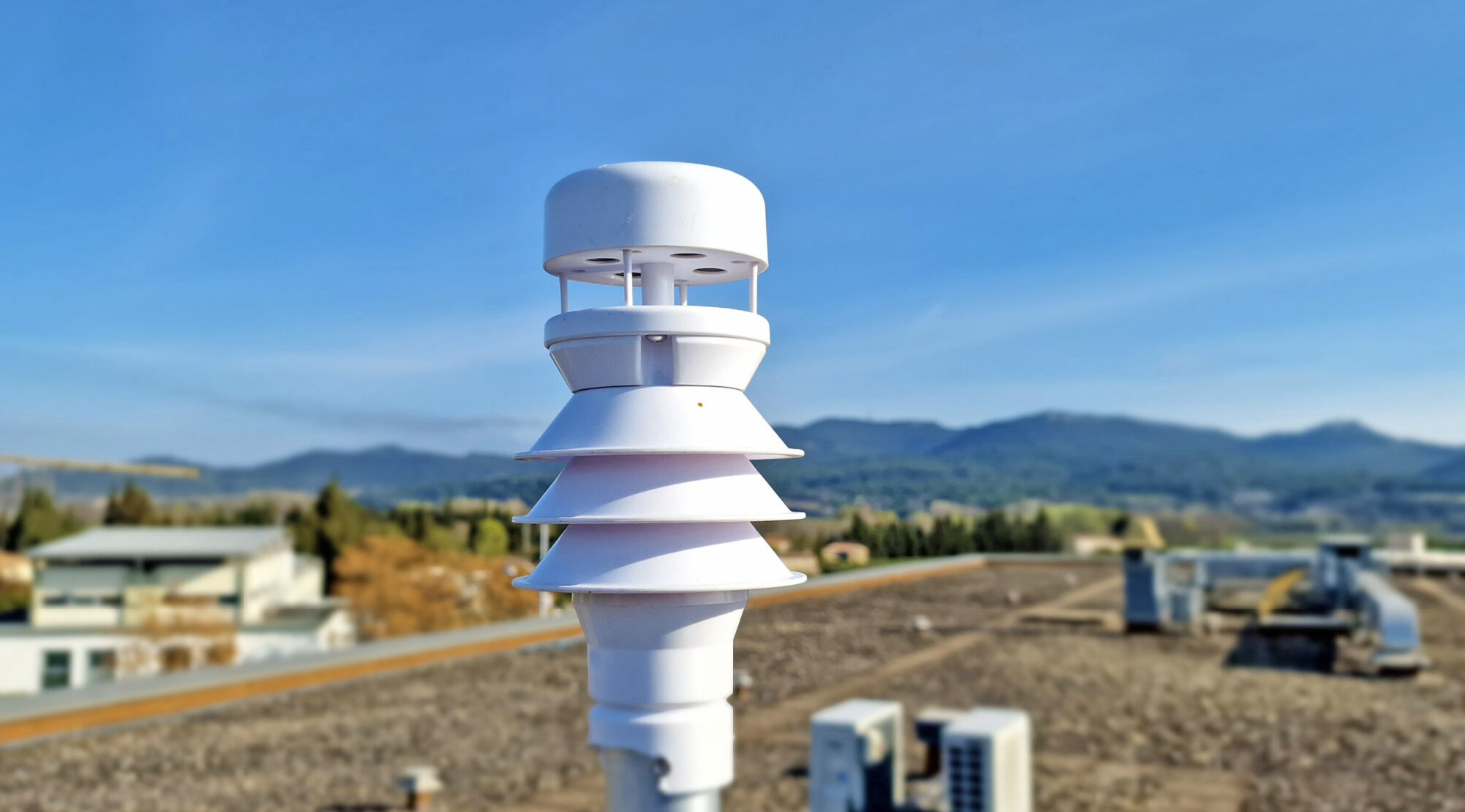
Pollen count measures the number of pollen grains per cubic meter of air over a 24-hour period, collected by automated particulate sensors like the Pollen Sense APS units used in the Toledo region. When counts are high, allergy sufferers commonly experience sneezing, nasal congestion, itchy or watery eyes, scratchy throat, and fatigue. Pollen levels in Toledo tend to peak between 5:00 AM and 10:00 AM, so knowing the daily count can help you plan outdoor activities during lower-risk hours.
Key Pollen Types and Trends in Toledo
Toledo's allergy landscape is shaped by three major pollen categories that peak at different times of year. Oak, maple, and ash trees drive heavy spring counts, while timothy grass and Kentucky bluegrass dominate early summer. Ragweed is the most potent fall allergen — a single plant can release up to one billion pollen grains per day, and Ohio is considered a ragweed hotspot due to its rural-urban mix. Higher atmospheric CO2 levels are boosting pollen production across all categories, making seasons not just longer but measurably more intense.
- Tree Pollen (Oak, Maple, Ash, Birch): Dominates from February through May; oak is the heaviest producer, while ash is among the most potent allergens in the region
- Grass Pollen (Timothy, Kentucky Bluegrass, Ryegrass): Peaks from May through June; Toledo's humid climate and fertile soils favor vigorous grass growth
- Ragweed Pollen: The dominant fall allergen from late August through September; a single plant releases up to 1 billion grains per day, carried for miles by wind
- Mold Spores: Elevated year-round due to Lake Erie humidity; peaks during summer and again in fall as decaying leaves release spores
Climate change is intensifying Toledo's pollen burden. The city has gained 45 additional freeze-free days since 1970, one of the largest increases among US cities studied by Climate Central. Three of the six earliest leaf-out dates on record have occurred in the last decade, meaning spring allergens arrive earlier. The Maumee River corridor adds cottonwood and sycamore pollen in spring, while surrounding Lucas County farmland provides extensive ragweed habitat through fall.
Seasonal Pollen Patterns in Toledo
Toledo's pollen calendar spans most of the year, with distinct peaks in each season.
- Spring (February to May): Tree pollen season begins with elm and maple in February, then peaks in April and May with oak, birch, ash, sycamore, hickory, and cottonwood
- Summer (June to August): Grass pollen from timothy, Kentucky bluegrass, and ryegrass peaks in June before tapering; mold spore counts climb through July and August due to heat and humidity
- Fall (August to November): Ragweed dominates from late August through September, with peak counts in early September; lamb's quarters and pigweed add to the weed pollen load, while decaying leaves elevate mold spores
- Winter (December to January): Minimal outdoor pollen after the first hard frost, typically in October; indoor allergens such as dust mites and pet dander become the primary concern
Access Daily Pollen Data for Toledo
The Pollen Count & Alerts App gives you real-time pollen monitoring tailored to Toledo and northwest Ohio. Track daily levels for tree, grass, and weed pollen as well as mold spores, all updated continuously so you can make informed decisions about when to head outdoors. Personalized alerts notify you before counts spike, helping you take preventive action during Toledo's most challenging allergy months.
Effective Allergy Management Strategies for Toledo Residents
These practical steps can help you reduce pollen exposure and manage symptoms throughout Toledo's extended allergy season.
- Use the Pollen Count & Alerts App: Monitor real-time pollen levels in Toledo and receive personalized alerts so you can plan outdoor activities during low-pollen windows, especially before 5 AM or after 10 AM
- Maintain Indoor Air Quality: Keep windows closed during high-pollen days, use air conditioning with clean filters, and reduce indoor humidity below 50% to limit mold growth fueled by Lake Erie moisture
- Practice Personal Hygiene After Outdoor Exposure: Shower and change clothes after spending time outside, especially during morning peak hours; rinse nasal passages with saline to clear trapped pollen
- Use a HEPA Air Purifier: Run a HEPA purifier in bedrooms and living areas to capture airborne pollen and mold spores, which is particularly important during overlapping tree, grass, and mold seasons
- Consult a Local Allergist: See a Toledo-area allergist for testing to identify your specific triggers; immunotherapy options can provide long-term relief for ragweed and other dominant local allergens
App Features to Enhance Your Allergy Management
The Pollen Count & Alerts App is designed to give Toledo residents the tools they need to navigate allergy season with confidence.
- Real-Time Pollen Counts: Access the latest pollen data specific to Toledo, with breakdowns by tree, grass, weed, and mold spore categories
- Customized Alerts: Set personalized notifications for the pollen types that affect you most, so you are warned before counts reach problematic levels
- Accurate Forecasts: View multi-day pollen forecasts to plan your week ahead, whether it is peak ragweed season or spring tree pollen
- Educational Content: Learn about the specific allergens in northwest Ohio, their seasonal patterns, and evidence-based strategies for reducing exposure
- Intuitive Design: Navigate a clean, easy-to-use interface that puts your local pollen data front and center with minimal effort


Explore More on Managing Seasonal Allergies
- Understanding Allergy Pollen Counts: Your Comprehensive Guide – Learn how to read pollen counts effectively and develop strategies to manage your allergy symptoms throughout the season.
- Why Are My Allergies So Bad Right Now? | Pollen Count & Alerts App Blog – Discover the surprising reasons why your allergies may suddenly feel worse, from climate change to shifting pollen patterns.
- Do Allergies Get Worse as You Age? | Pollen Count & Alerts App Blog – Find out how allergies evolve as you age and what you can do to adapt your allergy management plan over time.
Stay updated with the latest tips and insights by visiting the Alert Pollen Blog.
Pollen count in nearby cities
FAQ
When is pollen season in Toledo, OH?
Pollen season in Toledo, OH stretches from February through November, with three distinct peaks. Tree pollen dominates from February to May, with oak, birch, and ash peaking in April. Grass pollen takes over from May through July, with timothy grass and Kentucky bluegrass at their worst in June. Ragweed then drives the fall allergy season from late August through September, typically peaking in early September before the first hard frost brings relief in October.
What are the most common pollen allergens in Toledo, OH?
Toledo's most common pollen allergens include oak, maple, birch, ash, and cottonwood among spring trees, with oak being one of the heaviest pollen producers in the region. During late spring and summer, timothy grass, Kentucky bluegrass, and ryegrass are the primary culprits. In late summer and fall, ragweed is by far the dominant allergen — a single plant can release up to one billion pollen grains per day, and Ohio is considered a ragweed hotspot. Mold spores also compound the problem year-round due to Toledo's proximity to Lake Erie and its humid climate.
How can I protect myself from high pollen levels in Toledo, and how does the Pollen Count & Alerts App help?
Since pollen counts in Toledo are typically highest between 5:00 AM and 10:00 AM, try to limit outdoor activities during those early morning hours and keep windows closed. The Pollen Count & Alerts App provides real-time pollen data and personalized alerts for Toledo, so you can plan your day around actual pollen levels. This is especially useful during overlapping tree, grass, and mold seasons, which can create prolonged symptom periods lasting from February through November.
Final Thoughts
Living with pollen allergies in Toledo, OH presents real challenges, from early spring tree pollen along the Maumee River corridor to the intense ragweed season fueled by surrounding farmland. However, understanding your local pollen calendar and knowing which allergens affect you most can make a significant difference. With the right information and the Pollen Count & Alerts App at your fingertips, you can take control of your allergy season rather than simply enduring it.
Download the Pollen Count & Alerts App today to get real-time pollen data, personalized alerts, and detailed forecasts tailored to Toledo. Stay one step ahead of allergy season and breathe easier all year long.
Take Control of Your Allergies in Toledo Today
The Pollen Count & Alerts App gives you everything you need to navigate allergy season in Toledo with confidence. Access real-time pollen counts, receive personalized alerts based on your specific sensitivities, and plan ahead with comprehensive multi-day forecasts. Download the app now and stop letting pollen dictate your day.