Detroit, Michigan, located in the southeastern Great Lakes region, experiences a continental climate with distinct seasons that bring significant pollen challenges. The city faces uniquely severe allergy conditions due to climate change, urban reforestation from abandoned properties, and heat island effects that extend pollen seasons. This article provides comprehensive information about Detroit's pollen types, seasonal patterns, monitoring resources, and effective management strategies to help residents navigate the city's increasingly challenging allergy landscape.
Understanding Pollen Count in Detroit
Pollen count measures the concentration of pollen grains per cubic meter of air, indicating how much allergen exposure you may face outdoors. When pollen counts are high, allergy sufferers commonly experience sneezing, itchy eyes, nasal congestion, runny nose, and respiratory discomfort. Detroit residents with asthma face particular risks, as the city ranks number one nationally as the most challenging place for asthma sufferers.
Key Pollen Types and Significant Trends in Detroit
Detroit's pollen landscape is dominated by three major allergen categories that vary by season. Ragweed stands as the most notorious and potent allergen, while oak, maple, and birch trees contribute heavily during spring months. Recent climate data reveals Detroit's growing season has increased by 31 days since 1970, resulting in longer exposure periods and more intensive pollen production from cypress and oak trees responding to rising temperatures and carbon dioxide levels.
- Ragweed Pollen: The most potent allergen in Detroit, peaking from late August through early October and causing the majority of fall allergy cases
- Tree Pollen: Dominated by oak, maple, birch, ash, and hickory species that reach peak levels in April and May, with May being one of the worst months for allergies overall
- Grass Pollen: Kentucky bluegrass, timothy grass, and ryegrass produce peak levels from late May through mid-July, with June ranking as the second worst allergy month
- Urban Reforestation Allergens: Trees and vegetation reclaiming bulldozed abandoned properties have inadvertently increased overall pollen production across Detroit neighborhoods
Climate change has fundamentally altered Detroit's pollen patterns, with warmer springs and falls extending the season at both ends. The urban heat island effect elevates temperatures by 8 to 11 degrees Fahrenheit in some Detroit neighborhoods, further intensifying pollen production and prolonging exposure periods for residents throughout the metropolitan area.
Seasonal Pollen Patterns in Detroit
Detroit's pollen season follows distinct patterns across the year, with each season dominated by specific allergen types.
- Spring (March to June): Dominated by tree pollen from oak, maple, birch, ash, hickory, and pine, with peak levels occurring in April and May
- Summer (June to August): Characterized by grass pollen from Kentucky bluegrass, timothy grass, ryegrass, and fescue, peaking from late May through mid-July
- Fall (August to November): Weed pollen season with ragweed dominating from late August through early October, typically ending by mid-November
- Winter (November to February): Cold temperatures provide relief from seasonal allergies with no significant pollen activity
Access Daily Pollen Data for Detroit
The Pollen Count & Alerts App provides Detroit residents with real-time pollen monitoring specifically tailored to local conditions. Track daily levels of tree, grass, weed pollen, and mold spores to plan your outdoor activities during low-pollen periods. With limited monitoring infrastructure in Detroit and only one pollen counting station located in St. Clair Shores, having access to accurate daily data is essential for effective allergy management.
Effective Allergy Management Strategies for Detroit Residents
Implementing these proven strategies can significantly reduce your pollen exposure and allergy symptoms throughout the year.
- Use the Pollen Count & Alerts App: Monitor real-time pollen levels and receive alerts to plan outdoor activities during low-pollen times and avoid peak exposure periods
- Improve Indoor Air Quality: Keep windows closed during high pollen days, use air conditioning with clean filters, and maintain good ventilation to reduce indoor allergen accumulation
- Practice Personal Hygiene: Shower and change clothes after being outdoors, wash hair before bed to remove pollen, and avoid touching your face during peak pollen hours
- Install HEPA Air Purifiers: Use high-efficiency particulate air filters in bedrooms and common areas to capture airborne pollen and reduce indoor allergen concentrations
- Consult an Allergist: Seek professional diagnosis and treatment options including immunotherapy, prescription medications, and personalized management plans for severe symptoms
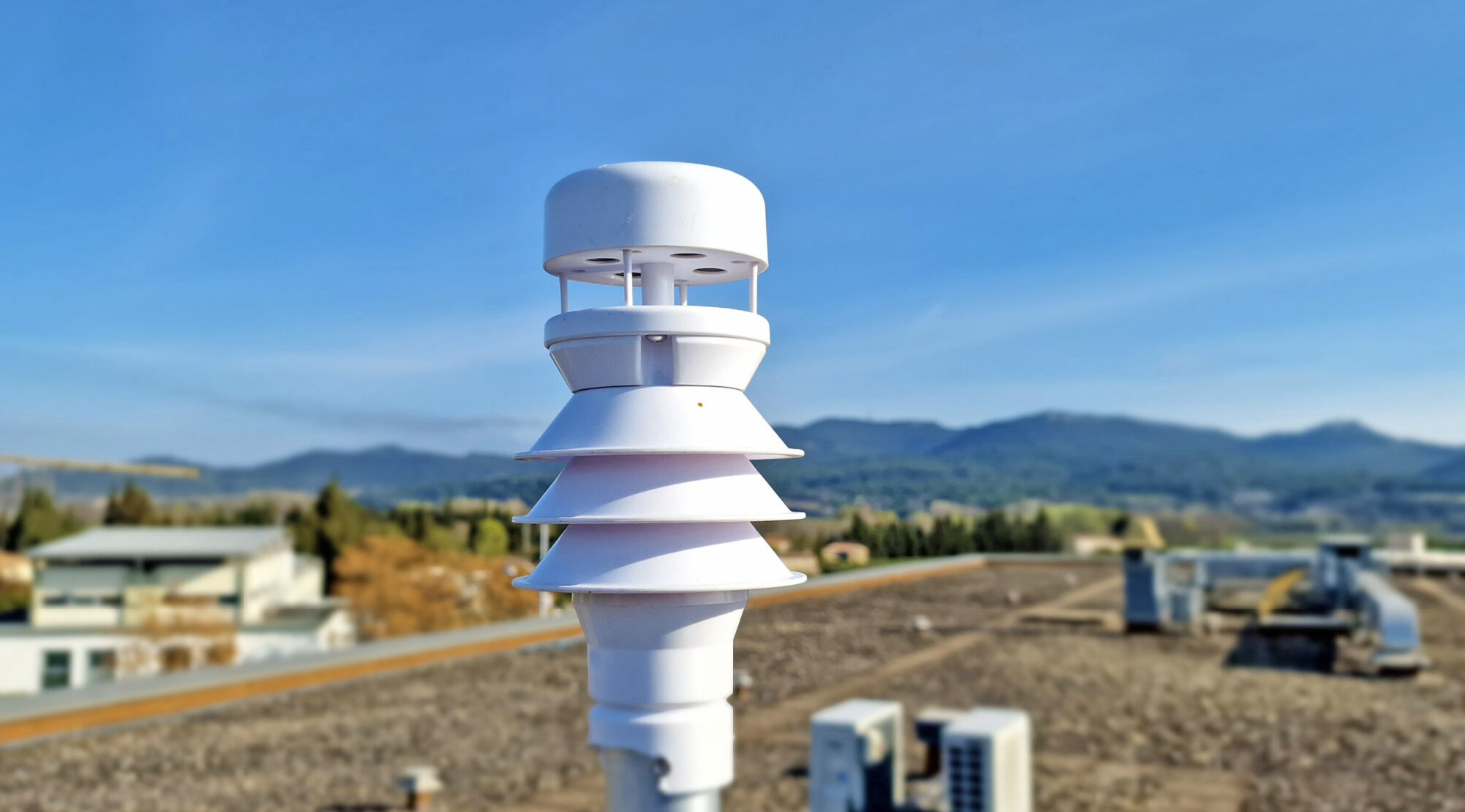
Pollen Count & Alerts App Features to Enhance Your Allergy Management
The Pollen Count & Alerts App offers comprehensive tools designed specifically to help Detroit residents manage their allergies effectively throughout the extended pollen season.
- Real-Time Pollen Counts: Access the latest pollen data specific to Detroit and surrounding areas, updated regularly throughout the day
- Customized Alerts: Receive personalized notifications when pollen levels reach thresholds that trigger your specific allergy symptoms
- Accurate Forecasts: Plan ahead with reliable multi-day pollen forecasts based on weather patterns and seasonal trends for the Detroit region
- Educational Content: Learn about specific allergens affecting Detroit, including ragweed, oak, grass types, and how climate change impacts local pollen levels
- Intuitive Design: Navigate easily through pollen data, forecasts, and alerts with a user-friendly interface designed for quick daily checking


Learn More About Managing Your Allergies
- Understanding Allergy Pollen Counts: Your Comprehensive Guide – Discover how to interpret pollen count levels and develop effective strategies to minimize allergy symptoms throughout the year.
- Why Are My Allergies So Bad Right Now? | Pollen Count & Alerts App Blog – Understand the factors that can cause sudden worsening of allergy symptoms, including climate change impacts and environmental triggers.
- Do Allergies Get Worse as You Age? | Pollen Count & Alerts App Blog – Learn why your allergic responses may intensify or diminish as you age and what you can do to adapt your management strategies.
Stay updated with the latest tips and insights by visiting the Alert Pollen Blog.
Pollen count in nearby cities
FAQ
When is pollen season in Detroit, Michigan?
Pollen season in Detroit typically runs from early March through mid-November. Spring brings peak tree pollen from oak, maple, birch, and ash (April-May), while summer features intense grass pollen from Kentucky bluegrass and Timothy grass (late May through mid-July). Fall is dominated by ragweed, which reaches peak levels from late August through early October, making September one of the most challenging months for allergy sufferers.
What are the most common allergens in Detroit?
Detroit's most common allergens include oak, maple, and birch trees in spring, Kentucky bluegrass and Timothy grass during summer, and ragweed in fall—the most notorious and potent allergen in the region. Other significant contributors include ash, hickory, and pine trees, along with ryegrass, plantain, and nettle. Due to climate change, Detroit's growing season has increased by 31 days since 1970, meaning these allergens now produce pollen for longer periods each year.
How can I protect myself from Detroit's severe pollen and asthma triggers?
Stay informed by checking real-time pollen counts daily through the Pollen Count & Alerts App, especially since Detroit ranks as the #1 most challenging city for asthma sufferers. Plan outdoor activities during low-pollen periods, keep windows closed during peak seasons (April-May, late May-July, and late August-October), and consider using HEPA air filters indoors. The app's personalized alerts can help you anticipate high pollen days and take preventive measures before symptoms start.
Final Thoughts
Living in Detroit presents unique pollen challenges, from extended seasons caused by climate change to the city's accidental reforestation creating higher allergen levels. However, understanding when oak, grass, and ragweed peak—and knowing that Detroit ranks as the nation's most challenging city for asthma—empowers you to take control. With the Pollen Count & Alerts App providing real-time data tailored to your location, you can stay one step ahead of seasonal allergies.
Don't let pollen control your life in Detroit. Download the Pollen Count & Alerts App today to receive personalized alerts and make informed decisions about your outdoor activities all year long.
Take Control of Your Allergies Today
The Pollen Count & Alerts App delivers real-time pollen counts specific to Detroit, personalized alerts based on your sensitivity levels, and comprehensive forecasts covering tree, grass, and weed pollen. Whether you're managing asthma or seasonal allergies, our app helps you plan your days with confidence. Download now and breathe easier in every season.