Ann Arbor, Michigan, located in Washtenaw County, experiences a continental climate with cold winters and warm, humid summers. The city's flat, open landscape and prevailing westerly winds allow pollen from surrounding farmland and woodland to disperse readily across the area, creating an extended allergy season lasting approximately eight months from late March through mid-November. This guide covers Ann Arbor's main pollen types, seasonal patterns, peak allergy months, and effective management strategies to help residents navigate one of Michigan's most challenging pollen environments.
Understanding Pollen Count in Ann Arbor
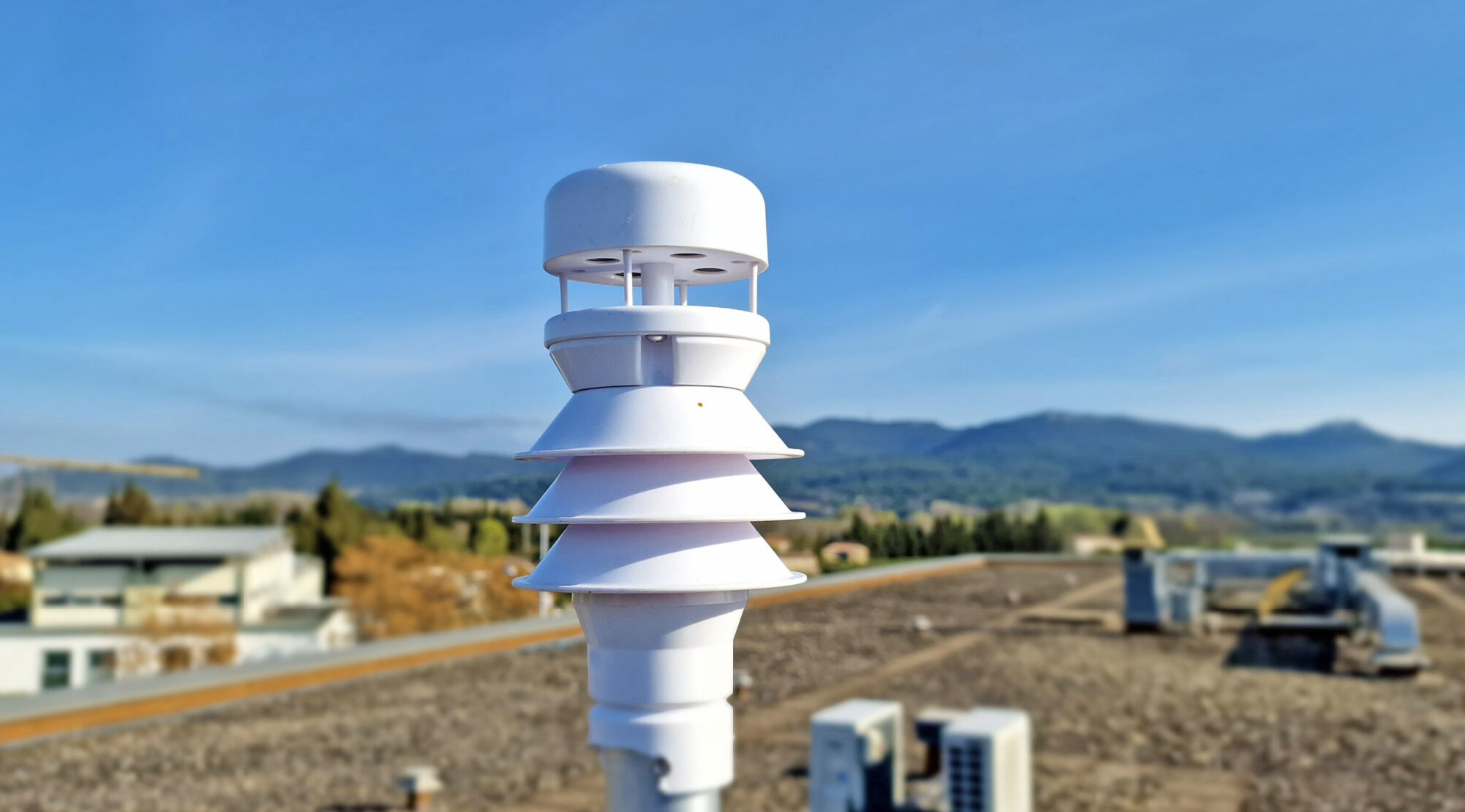
Pollen count measures the concentration of pollen grains per cubic meter of air, collected using automated particulate sensors with neural network algorithms to identify individual species. When pollen counts are high, allergy sufferers commonly experience sneezing, runny or stuffy nose, itchy or watery eyes, throat irritation, and in asthma patients, shortness of breath and wheezing. University of Michigan researchers use rooftop sensors throughout Ann Arbor to provide enhanced local forecasting.
Key Pollen Types and Significant Trends in Ann Arbor
Ann Arbor's pollen profile is dominated by three major allergen categories that create distinct seasonal challenges. University of Michigan research using automated Pollen Sense sensors has revealed specific daily patterns showing pollen counts rise consistently from morning into afternoon as air warms, with the lowest counts occurring in early morning hours.
- Tree Pollen: Oak, birch, maple, ash, and cedar are prolific producers peaking in April and May, with daily counts rising significantly during warm afternoons
- Grass Pollen: Perennial ryegrass, timothy grass, and bent grass peak in June, overlapping with late tree pollen season
- Ragweed Pollen: Common ragweed dominates fall as the most predominant allergen from late August through early October
- Mold Spores: Present year-round but elevated during humid summer months and fall when vegetation decays
Climate change is extending Ann Arbor's allergy seasons, with warmer, wetter springs accelerating pollen release while colder winters delay season start. The city's urban-rural interface means surrounding Michigan farmland contributes substantial grass pollen loads while woodland areas and tree-lined streets create localized high-pollen zones, particularly along the Huron River corridor.
Seasonal Pollen Patterns in Ann Arbor
Ann Arbor experiences three distinct pollen seasons with specific peak allergens:
- Spring (Late March to May): Dominated by tree pollen from oak, birch, maple, ash, cedar, hickory, elm, and willow, with peak counts in April and May
- Summer (Late May to Mid-July): Characterized by grass pollen from perennial ryegrass, timothy grass, bent grass, fescue, and brome, peaking in June with overlap from late tree pollen
- Fall (Late August to Early November): Ragweed pollen becomes the predominant allergen with peak counts in September, accompanied by mugwort, wormwood, and pigweed
- Winter (Mid-November to Late March): Lowest pollen activity with occasional indoor allergens, providing relief for most allergy sufferers
Accessing Daily Pollen Data in Ann Arbor
The Pollen Count & Alerts App provides Ann Arbor residents with real-time pollen monitoring using data from automated sensors and University of Michigan research networks. Track tree, grass, weed, and mold spore levels specific to your location, and receive customized alerts when counts rise so you can plan outdoor activities during low-pollen periods. Daily forecasts help you stay prepared throughout Ann Arbor's extended eight-month allergy season.
Effective Allergy Management Strategies for Ann Arbor Residents
Managing pollen allergies in Ann Arbor requires proactive strategies tailored to the city's extended season:
- Use the Pollen Count & Alerts App: Monitor real-time pollen levels and receive alerts to plan outdoor activities during low-pollen times, particularly avoiding late mornings and afternoons when counts peak
- Improve Indoor Air Quality: Keep windows closed during high-pollen periods, especially May, June, and September, and run air conditioning with clean filters
- Practice Personal Hygiene: Shower and wash hair before bed to remove pollen collected outdoors, and change clothing after spending time in parks or along the Huron River corridor
- Install HEPA Air Purifiers: Use high-efficiency particulate air filters in bedrooms and main living areas to capture pollen particles that enter your home
- Consult an Allergist: Visit local specialists at Asthma, Allergy, & Immunology Center or Allergy & Immunology Associates of Michigan for testing and personalized treatment plans
App Features to Enhance Your Allergy Management
The Pollen Count & Alerts App offers comprehensive tools designed specifically for Ann Arbor's challenging pollen environment:
- Real-Time Pollen Counts: Access the latest pollen data specific to Ann Arbor using automated sensors and University of Michigan research networks
- Customized Alerts: Receive notifications when tree, grass, ragweed, or mold levels rise above your personalized thresholds
- Accurate Forecasts: Plan ahead with multi-day forecasts showing when oak, birch, grass, and ragweed will peak throughout the season
- Educational Content: Learn about Ann Arbor's specific allergens including the 20+ tree species, grass varieties, and fall weeds affecting local residents
- Intuitive Design: Navigate easily between current conditions, forecasts, and historical trends to understand your symptoms and plan accordingly


Learn More About Pollen and Allergy Management
- Understanding Allergy Pollen Counts: Your Comprehensive Guide – Discover what pollen count numbers mean and how to use them to develop effective strategies for managing seasonal allergies year-round.
- Why Are My Allergies So Bad Right Now? | Pollen Count & Alerts App Blog – Understand the factors that can cause sudden increases in allergy severity, from weather changes to cross-reactivity with foods.
- Do Allergies Get Worse as You Age? | Pollen Count & Alerts App Blog – Learn how your body's immune response to pollen and allergens evolves throughout different stages of life.
Stay informed with expert advice and seasonal updates by visiting the Alert Pollen Blog.
Pollen count in nearby cities
FAQ
When is pollen season in Ann Arbor, Michigan?
Pollen season in Ann Arbor runs from late March through mid-November, spanning approximately 8 months. Tree pollen dominates from late March through May, with peak levels in April and May. Grass pollen follows from late May through mid-July with a June peak, while ragweed and other weed pollens cause problems from late August through early October, peaking in September.
What are the most common pollen allergens in Ann Arbor, Michigan?
In Ann Arbor, the primary tree pollen allergens include oak, maple, birch, ash, hickory, and cedar, which peak in April and May. During summer, grasses like perennial ryegrass, timothy grass, and bent grass produce high pollen counts, peaking in June. Fall brings common ragweed as the most predominant allergen, along with mugwort and pigweed, with peak levels throughout September.
How can I use the Pollen Count & Alerts App to manage my allergies in Ann Arbor?
The Pollen Count & Alerts App provides real-time pollen data specific to Ann Arbor, helping you plan outdoor activities during low-pollen periods, typically early morning hours. Set up personalized alerts for your specific allergens like oak, ragweed, or grass to receive notifications when counts are high. Use the daily forecasts to schedule outdoor activities on lower-count days and prepare with appropriate medications before peak pollen periods in May, June, and September.
Final Thoughts
Living in Ann Arbor means facing one of the longest pollen seasons in Michigan, but understanding when tree, grass, and weed pollens peak gives you the power to take control of your health. With accurate forecasts and real-time data from the Pollen Count & Alerts App, you can anticipate high-pollen days and adjust your outdoor plans accordingly. Knowledge is your best defense against the oak, ragweed, and grass pollens that circulate through Ann Arbor's flat terrain from March through November.
Download the Pollen Count & Alerts App today to receive personalized alerts tailored to Ann Arbor's unique pollen patterns and enjoy your time outdoors with confidence.
Take Control of Your Allergies Today
The Pollen Count & Alerts App delivers real-time pollen counts, personalized alerts for your specific allergens, and comprehensive forecasts designed for Ann Arbor's challenging 8-month allergy season. Whether you're sensitive to spring tree pollen, summer grasses, or fall ragweed, get the information you need to breathe easier and plan smarter. Download now and start managing your allergies with precision.