Spokane, located in Eastern Washington, experiences a continental climate with four distinct seasons that create year-round pollen cycles. The city's warm, dry summers and diverse flora contribute to significant pollen challenges, particularly during spring and summer months. In 2026, Spokane ranked 9th on the Allergy Capitals report, a dramatic jump from 82nd place the previous year. This article covers Spokane's key pollen types, seasonal patterns, recent trends, and effective strategies for managing your allergies.
Understanding Pollen Count in Spokane
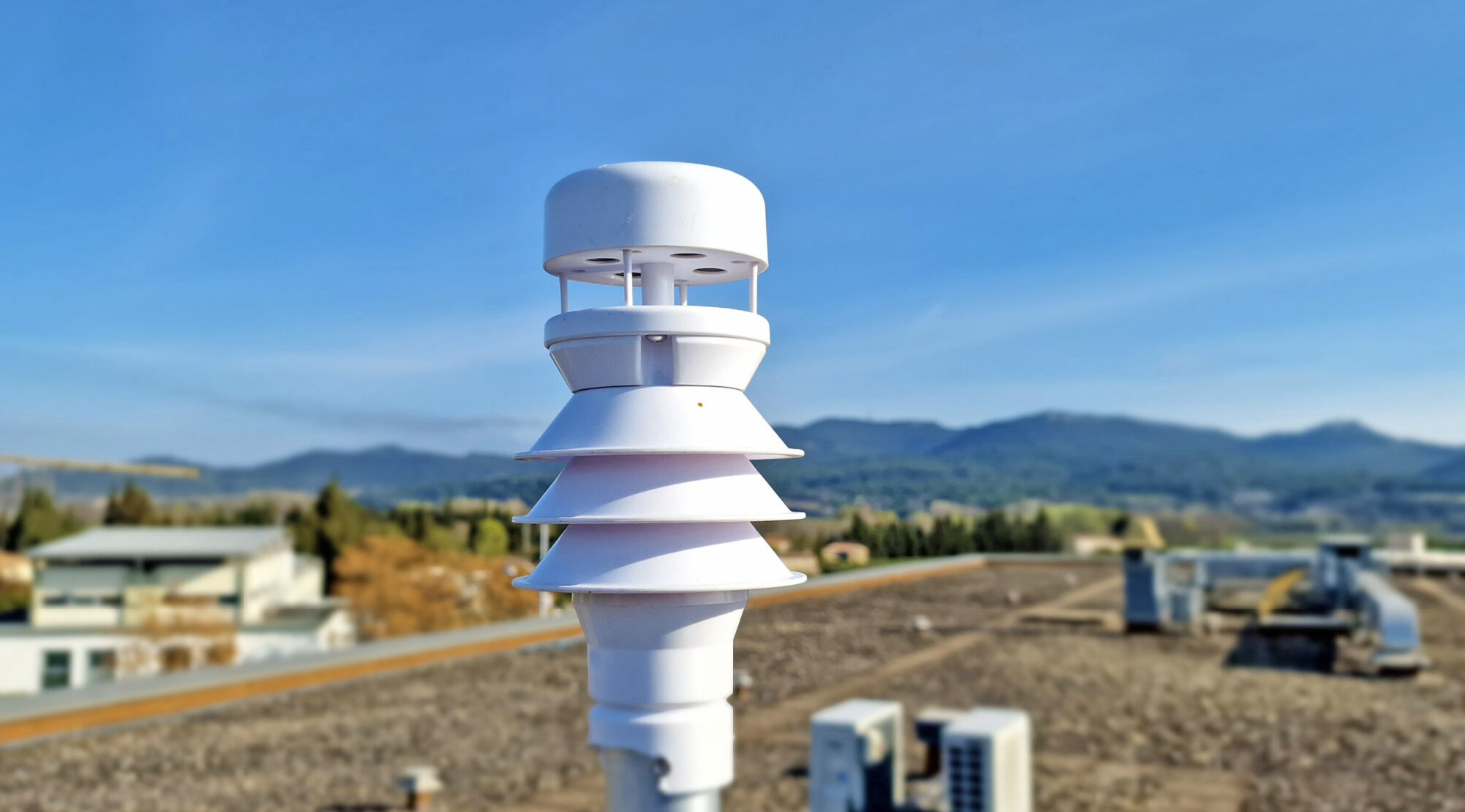
Pollen count measures the concentration of pollen grains per cubic meter of air, indicating allergy severity for residents. In Spokane, data is obtained from automated particulate sensors using neural network algorithms to identify individual pollen species. When pollen counts are high, common symptoms include sneezing, congestion, itchy eyes, and asthma exacerbations.
Key Pollen Types and Recent Trends in Spokane
Spokane has experienced dramatic changes in pollen levels and patterns in recent years. After a wet winter in 2024-2025, trees produced unusually heavy pollen loads in spring 2025, with the Pacific Northwest facing the highest grass pollen levels in the country. Climate change projections suggest pollen production in North America could be 200% higher by the end of the century, with Spokane's spring pollen season potentially starting 10-40 days earlier.
- Grass Pollen: Timothy grass and ryegrass peak during summer with significantly more days of airborne pollen than previous years, making June through August the highest pollen period
- Tree Pollen: Willow, mulberry, pine, oak, cedar, alder, and birch dominate spring, with 2025 showing earlier peak times and heavier loads than usual
- Weed Pollen: Ragweed, sagebrush, and Russian thistle peak in fall, with sagebrush being particularly important in Eastern Washington's climate
- Mold Spores: Year-round presence with increased levels during wet periods, contributing to allergy symptoms alongside pollen
Weather phenomena including atmospheric rivers, warmer temperatures, and extended growing seasons have contributed to the recent pollen explosion in Spokane. Suburban areas experience higher pollen counts than urban zones due to more green spaces and less pollution to trap airborne particles.
Seasonal Pollen Patterns in Spokane
Spokane's four distinct seasons create predictable pollen cycles throughout the year.
- Spring (March to May): Peak tree pollen season dominated by alder, birch, oak, pine, and cedar, with earlier starts observed in recent years
- Summer (June to August): Highest overall pollen counts with peak grass pollen from Timothy grass, ryegrass, Bermuda grass, orchard grass, and fescue
- Fall (September to October): Weed pollen peaks with ragweed, sagebrush, nettles, and Russian thistle, though overall counts are lower than spring and summer
- Winter (November to February): Minimal pollen activity with the lowest counts of the year, providing relief for most allergy sufferers
Access Daily Pollen Data in Spokane
The Pollen Count & Alerts App provides real-time pollen monitoring specifically for Spokane residents. Track daily levels of tree, grass, weed pollen, and mold spores to plan your outdoor activities during low-pollen times. The app delivers accurate forecasts and personalized alerts to help you stay ahead of your allergies.
Effective Allergy Management Strategies for Spokane
Managing pollen allergies in Spokane requires proactive planning and daily awareness.
- Use the Pollen Count & Alerts App: Monitor real-time pollen levels and receive alerts to plan outdoor activities during low-pollen times, especially avoiding late morning to early afternoon
- Improve Indoor Air Quality: Keep windows closed during peak pollen hours in late morning and early afternoon, particularly during summer grass pollen season
- Practice Personal Hygiene: Shower and change clothes after outdoor activities to remove pollen from skin and hair, preventing indoor contamination
- Install HEPA Air Purifiers: Use high-efficiency particulate air filters in bedrooms and living spaces to remove pollen particles and reduce indoor allergen exposure
- Consult an Allergist: Visit local specialists like Spokane Allergy & Asthma Clinic or Advanced Allergy, Asthma & Immunology for personalized treatment plans and testing
Pollen Count & Alerts App Features for Spokane Residents
The Pollen Count & Alerts App offers comprehensive tools to help Spokane residents manage their allergies effectively.
- Real-Time Pollen Counts: Access the latest pollen data specific to Spokane, updated continuously from automated monitoring sensors
- Customized Alerts: Receive notifications when pollen levels spike for tree, grass, weed, or mold allergens that affect you most
- Accurate Forecasts: View 5-day pollen forecasts to plan ahead for outdoor activities, travel, and medication timing
- Educational Content: Learn about Spokane's specific pollen types including Timothy grass, sagebrush, and local tree species
- Intuitive Design: Navigate easily through pollen data, historical trends, and personalized recommendations in a user-friendly interface


Explore More Allergy Management Resources
- Understanding Allergy Pollen Counts: Your Comprehensive Guide – Learn how to interpret daily pollen counts and develop personalized strategies to minimize your allergy symptoms throughout the year.
- Why Are My Allergies So Bad Right Now? | Pollen Count & Alerts App Blog – Discover the scientific reasons behind sudden allergy flare-ups and how changing environmental conditions can intensify your symptoms.
- Do Allergies Get Worse as You Age? | Pollen Count & Alerts App Blog – Understand how your body's immune response to allergens evolves over time and what you can do to adapt your allergy management approach.
Stay informed with expert advice and seasonal updates by visiting the Alert Pollen Blog.
Pollen count in nearby cities
FAQ
When is pollen season in Spokane, WA?
Spokane experiences year-round pollen activity due to its four distinct seasons, with the highest levels from spring through fall. Tree pollen peaks in early spring (March-April) with alder, birch, willow, and oak, followed by intense grass pollen during summer months (June-August) featuring Timothy grass and ryegrass. Weed pollen, including ragweed and sagebrush, dominates the fall season (September-October), while winter (November-February) sees minimal pollen activity.
What are the most common allergens in Spokane, WA?
Spokane's primary allergens include tree pollen from willow, mulberry, pine, oak, cedar, alder, and birch peaking in spring; grass pollen from Timothy grass, ryegrass, Bermuda grass, orchard grass, and fescue dominating the summer months; and weed pollen from ragweed, sagebrush, Russian thistle, wormwood, pigweed, and nettles prevalent in fall. Timothy grass is considered the primary allergen during Spokane's peak summer pollen season, while sagebrush is particularly important in Eastern Washington's continental climate.
What's the best time of day to avoid pollen exposure in Spokane?
Pollen counts in Spokane peak during late morning to early afternoon, so outdoor activities are best scheduled for early morning or evening hours. Rising humidity, weak winds, and precipitation in the afternoon and evening help wash pollen from the air, making these times safer for allergy sufferers. The Pollen Count & Alerts App can provide real-time updates to help you plan your outdoor activities during lower pollen periods.
Final Thoughts
Living in Spokane means facing unique pollen challenges throughout the year, especially with the city's dramatic jump to 9th place on the 2026 Allergy Capitals report. However, understanding the specific allergens in your area and their seasonal patterns empowers you to take proactive steps in managing your symptoms. The Pollen Count & Alerts App provides the localized, real-time information you need to navigate Spokane's increasingly intense pollen seasons with confidence.
Don't let allergies control your life in Spokane. Download the Pollen Count & Alerts App today to receive personalized alerts and stay one step ahead of pollen season.
Take Control of Your Allergies Today
The Pollen Count & Alerts App delivers real-time pollen counts specific to Spokane, personalized alerts based on your sensitivities, and comprehensive 5-day forecasts to help you plan ahead. Whether you're dealing with spring tree pollen, summer grasses, or fall weeds, this essential tool keeps you informed and prepared. Download now and experience the difference accurate, localized pollen tracking can make in your daily life.