Kennewick sits in Washington’s dry Columbia Basin, where semiarid conditions and wind influence airborne pollen. Spring trees, late-spring and summer grasses, and late-summer weeds create overlapping allergy seasons. Sagebrush, kochia, and Russian thistle are particularly relevant to this Eastern Washington setting. This guide explains the main pollen sources, approximate seasonal patterns, daily monitoring options, and practical ways to manage exposure.
Understanding Pollen Counts in Kennewick
A pollen count measures the concentration of airborne pollen, usually expressed as grains per cubic meter of air, using samples collected by monitoring equipment. Reports may separate tree, grass, and weed pollen, while forecasts estimate conditions using available observations and environmental information. Higher exposure can trigger sneezing, congestion, runny nose, and itchy or watery eyes in people sensitive to the pollen present.
Key Pollen Types and What Local Evidence Shows
A local Tri-Cities physician describes the broad pollen seasons as trees from March through June, grasses from May through August, and weeds from August through October. These windows provide useful planning guidance, but verified Kennewick monitoring records were insufficient to calculate annual peaks or recent city-level trends. The busiest months listed below are approximate regional estimates.
- Tree Pollen: The broad season runs March–June. Juniper, cottonwood, box elder, and elm commonly contribute earlier in spring, while other deciduous trees and pines extend activity into later months.
- Grass Pollen: The broad season runs May–August, with many cool-season grasses generally busiest from May into July. Relevant sources include Kentucky bluegrass, perennial ryegrass, brome, orchardgrass, and fescues.
- Sagebrush Pollen: The approximate season runs August–October, generally busiest in August–September. Big sagebrush was documented in a vegetation survey included in a March 2025 Kennewick planning packet.
- Other Weed Pollen: Russian thistle and kochia generally contribute most in August–September, within a broader summer–October window. Russian thistle has documented local vegetation records; these records do not measure airborne concentrations.
Washington Department of Health reports that pollen seasons start approximately 20 days earlier and last almost a month longer than they did 30 years ago. This statewide summary should not be treated as a measured Kennewick trend. Cottonwood’s visible white fluff is seed material released after pollination, rather than the tree’s pollen.
Kennewick’s Seasonal Pollen Calendar
Use these approximate seasonal patterns as a starting point, since temperature, wind, and frost can shift pollen timing.
- Spring (March–May): Tree pollen leads the season, including juniper, cottonwood, elm, willow, walnut, mulberry, and ash; grass pollen begins joining the mix in May.
- Summer (June–August): Grass pollen remains relevant, some tree activity continues into June, and sagebrush and other weeds become more important toward August.
- Fall (September–November): Sagebrush, Russian thistle, kochia, and ragweed can contribute through September and October, with declining exposure as frost arrives; November is usually quieter.
- Winter (December–February): December and January generally bring low outdoor pollen exposure, while warm spells may shift the start of spring tree activity earlier.
Check Daily Pollen Information in Kennewick
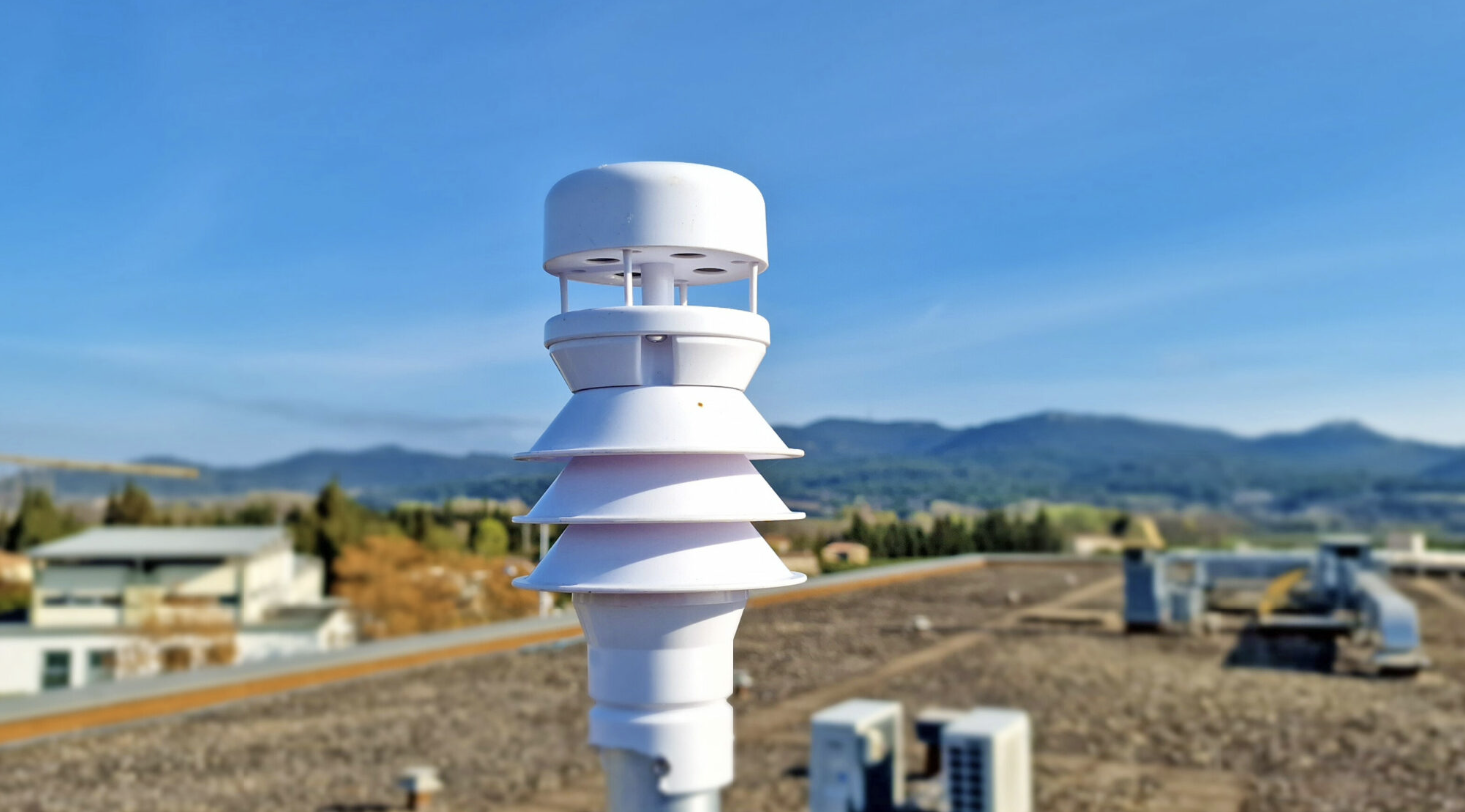
Use the Pollen Count & Alerts App for daily monitoring and real-time tracking of tree, grass, weed, and mold spores where data are available. Check update times and location coverage, since a verified operating Kennewick pollen sensor could not be confirmed in the research. Review local air-quality information separately because AQI does not measure pollen.
Practical Ways to Manage Seasonal Allergies
Combine daily exposure checks with simple household and personal habits to help reduce contact with allergens.
- Use the Pollen Count & Alerts App: Review available pollen updates and alerts before outdoor activities, paying attention to the reported location and timestamp.
- Maintain Indoor Air Quality: Keep windows closed during elevated pollen or windy conditions, maintain ventilation filters, and reduce pollen entry through doors and windows.
- Practice Personal Hygiene: Change clothes after outdoor activity, wash your hands and face, and shower to remove pollen from skin and hair.
- Use HEPA Purifiers: Run an appropriately sized HEPA air purifier in frequently used rooms to help capture airborne particles indoors.
- Consult an Allergist: Discuss persistent symptoms, possible triggers, and suitable treatment options, especially if seasonal exposure worsens asthma.
App Features That Support Daily Allergy Planning
The Pollen Count & Alerts App brings pollen information, alerts, forecasts, and educational resources together to support everyday allergy planning.
- Real-Time Counts: Follow the latest available tree, grass, weed, and mold spore updates, checking timestamps and local coverage.
- Customized Alerts: Use alerts tailored to relevant allergens and available local reports to help plan your day.
- Accurate Forecasts: Consult pollen forecasts to anticipate changing exposure, recognizing that accuracy depends on source data, location, and weather.
- Educational Content: Learn about seasonal allergens, common symptoms, and practical ways to reduce exposure.
- Intuitive Design: Find pollen information and planning tools through a clear, easy-to-use interface.


Explore More Ways to Manage Seasonal Allergies
- Understanding Allergy Pollen Counts: Your Comprehensive Guide – Learn how to interpret pollen counts and use them to guide everyday allergy management.
- Why Are My Allergies So Bad Right Now? | Pollen Count & Alerts App Blog – Explore why allergies can suddenly feel worse, including changing exposures, weather patterns, and overlapping airborne irritants.
- Do Allergies Get Worse as You Age? | Pollen Count & Alerts App Blog – Discover how allergy symptoms can change with age and why sensitivities may develop or shift over time.
Stay updated with practical seasonal allergy tips and insights by visiting the Alert Pollen Blog.
Pollen count in nearby cities
FAQ
When is pollen season in Kennewick, WA?
Kennewick’s pollen season generally runs from March through October, with trees active from March–June, grasses from May–August, and weeds from August–October. Juniper, cottonwood, and elm tend to be busiest in March–April, while grass pollen is typically most prominent from May into July. Sagebrush, kochia, and Russian thistle generally peak in August–September. These windows are approximate regional estimates; November–January usually brings the lowest outdoor pollen exposure.
Which pollen allergens are common in Kennewick, WA?
Relevant tree pollen sources include junipers, black cottonwood, box elder, and Siberian and American elms, with likely peaks in March–April; white mulberry, English walnut, ash, and willow mainly contribute in April–May. Kentucky bluegrass, perennial ryegrass, and smooth brome generally peak from May into July, while orchardgrass, timothy, and fescues are usually busiest in June–July. Big sagebrush, Russian thistle, kochia, and ragweed generally peak in August–September, with weed pollen potentially continuing into October. These are approximate regional windows, and available monitoring does not establish which species contributes the most airborne pollen in Kennewick.
How can I reduce pollen exposure on windy days in Kennewick?
Check the pollen forecast before outdoor activities, and keep home and car windows closed when pollen levels are elevated or winds are strong. After spending time outdoors, change clothes and shower to reduce pollen carried indoors. Use the Pollen Count & Alerts App to plan around reported conditions, and check Benton Clean Air Agency updates separately for smoke and dust because AQI does not measure pollen.
Final Thoughts
Kennewick’s spring trees, summer grasses, and late-season weeds can create months of pollen challenges, especially when dry, windy conditions increase exposure. Understanding the seasonal pattern and checking available reports with the Pollen Count & Alerts App can help you plan outdoor activities with more confidence.
Download the Pollen Count & Alerts App to follow pollen conditions and make exposure-reducing habits part of your daily routine.
Sources
- NBC Right Now: What to Know About Allergy Season
- Washington Department of Health: Pollen
- City of Kennewick: March 2025 Canyon View Estates Planning Packet
Take Charge of Your Pollen Season
Use the Pollen Count & Alerts App to access real-time pollen counts, personalized alerts, and comprehensive forecasts where available. Check report timestamps and local coverage, then use the information to plan your day around the pollen types that affect you.