Renton, located in South King County in Washington's Puget Sound lowland, experiences a temperate rainforest climate with mild, wet winters and warm, dry summers. This Pacific Northwest city faces significant pollen challenges, with allergy-related emergency department visits nearly doubling in recent years and South King County showing rates exceeding 98 visits per 100,000 residents. This article covers the main pollen types affecting Renton residents, seasonal patterns, recent health trends, and effective strategies for managing allergies year-round.
Understanding Pollen Count in Renton
Pollen count measures the concentration of pollen grains per cubic meter of air, categorized as Low, Moderate, High, or Very High by certified monitoring stations like the Northwest Asthma & Allergy Center in Seattle. When pollen counts are high, sensitive individuals may experience symptoms including sneezing, runny nose, itchy eyes, congestion, and asthma exacerbations. The National Allergy Bureau provides standardized measurements to help residents plan outdoor activities and manage their allergy symptoms effectively.
Key Pollen Types and Escalating Trends in Renton
Renton faces an intensifying pollen burden driven by native Pacific Northwest vegetation and climate change impacts. Emergency department visits for allergic diseases in King County nearly doubled from 30 visits per 100,000 residents in 2019 to nearly 60 per 100,000 in 2022, with South King County showing even higher rates. The pollen season now starts 20 days earlier and lasts approximately one month longer than it did 30 years ago.
- Red Alder and Birch Pollen: Native tree species dominating spring allergies, with birch pollen projected to increase 8-fold by the end of the century in the Seattle region
- Grass Pollen: Timothy grass, Kentucky bluegrass, ryegrass, and orchard grass peak in June and July, causing widespread summer allergies
- Ragweed and Weed Pollen: Active in late summer and fall, contributing to a secondary peak in allergy visits during September
- Western Red Cedar and Douglas Fir: Conifer species releasing copious amounts of pollen in early spring, often starting as early as February
Climate change factors including warmer temperatures, altered rainfall patterns, more frost-free days, and increased carbon dioxide levels are driving these escalating trends. Washington state has some of the highest pollen counts in the nation, with birch ranking as the third most abundant pollen type in the Seattle area, making Renton particularly vulnerable to prolonged allergy seasons.
Seasonal Pollen Patterns in Renton
Renton experiences distinct pollen seasons throughout the year, with varying allergen types dominating each period.
- Spring (February to May): Peak tree pollen season with alder starting in February, followed by birch, oak, maple, and cedar producing the highest overall pollen counts of the year in April and May
- Summer (June to July): Dominated by grass pollen from timothy grass, Kentucky bluegrass, ryegrass, and orchard grass at peak production levels
- Fall (August to September): Weed pollen season featuring ragweed and stinging nettles, with September showing a secondary peak in allergy-related visits
- Winter (October to January): Lowest pollen period with December showing minimal counts, though levels begin rising again in January as early tree pollen season approaches
Access Daily Pollen Data for Renton
The Pollen Count & Alerts App provides real-time pollen monitoring specifically for Renton, tracking tree, grass, weed, and mold spore levels throughout the day. With data sourced from certified monitoring stations including the Northwest Asthma & Allergy Center, you can stay informed about current conditions and receive personalized alerts when pollen levels rise. Plan your outdoor activities during low-pollen times and take control of your allergy management with accurate, location-specific forecasts.
Effective Allergy Management Strategies for Renton Residents
Managing pollen allergies in Renton requires proactive monitoring and preventive measures throughout the extended allergy season.
- Use the Pollen Count & Alerts App: Monitor real-time pollen levels and receive alerts to plan outdoor activities during low-pollen times, especially during April, May, and September peaks
- Improve Indoor Air Quality: Keep windows closed during high-pollen days, particularly in the morning when pollen release is highest, and after windy conditions
- Practice Personal Hygiene: Shower and change clothes after spending time outdoors to remove pollen from your hair and skin, reducing nighttime allergy symptoms
- Install HEPA Air Purifiers: Use high-efficiency particulate air filters in bedrooms and common areas to capture airborne pollen, especially during spring tree pollen season
- Consult an Allergist: Seek professional evaluation for persistent symptoms, especially if you have comorbid conditions like asthma or COPD, which increase risk with pollen exposure
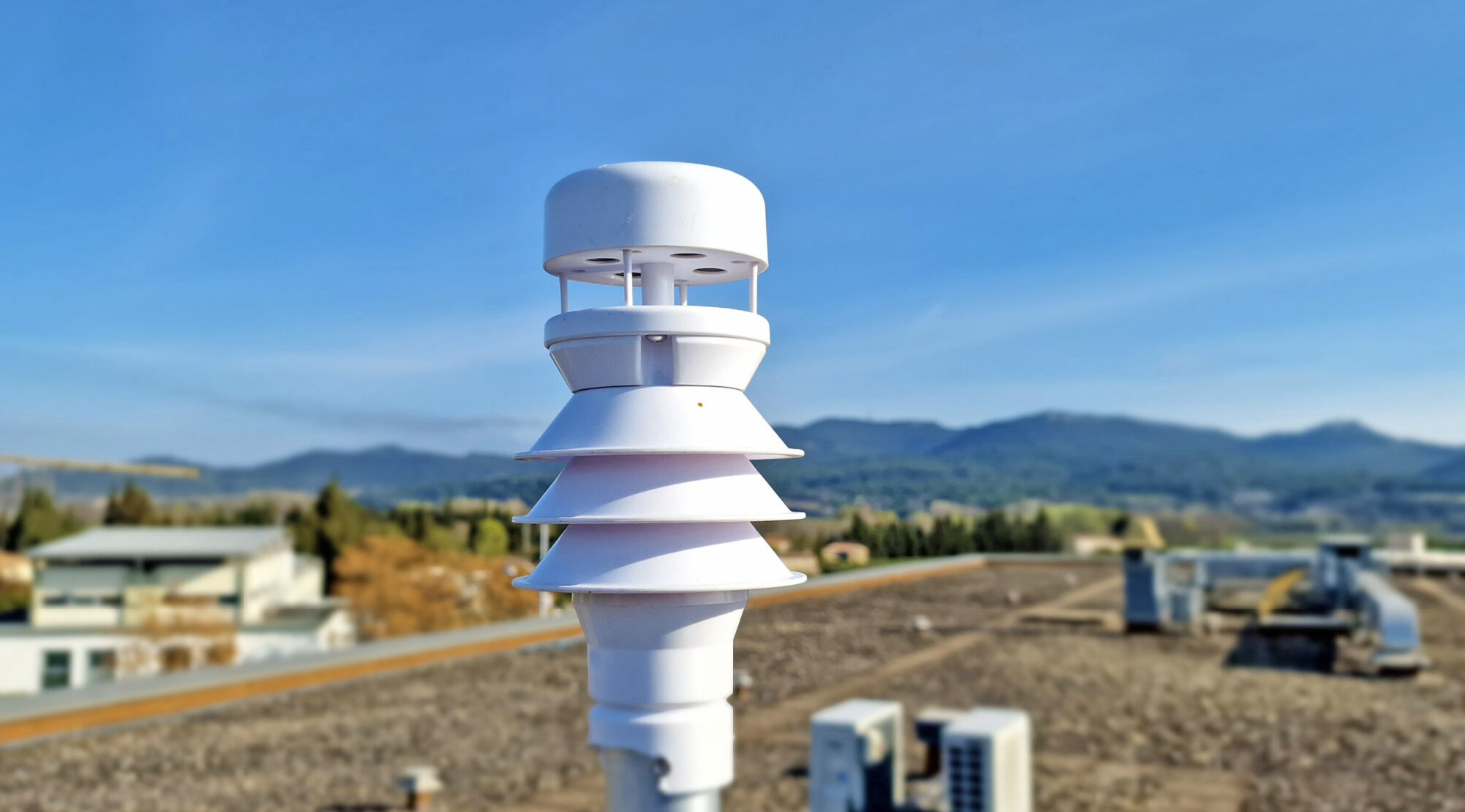
App Features to Enhance Your Allergy Management
The Pollen Count & Alerts App offers comprehensive tools designed to help Renton residents navigate the region's challenging pollen environment.
- Real-Time Pollen Counts: Access the latest pollen data specific to Renton with hourly updates from certified monitoring stations
- Customized Alerts: Receive personalized notifications when pollen levels for your specific allergens reach moderate or high thresholds
- Accurate Forecasts: View multi-day pollen forecasts to plan outdoor activities, travel, and medication schedules in advance
- Educational Content: Learn about local pollen types including alder, birch, grasses, and ragweed, plus tips for managing symptoms during peak seasons
- Intuitive Design: Navigate an easy-to-use interface that displays tree, grass, weed, and mold spore levels at a glance


Explore More on Managing Seasonal Allergies
- Understanding Allergy Pollen Counts: Your Comprehensive Guide – Learn how to interpret pollen count levels and discover evidence-based strategies to minimize allergy symptoms throughout the year.
- Why Are My Allergies So Bad Right Now? | Pollen Count & Alerts App Blog – Discover the factors that cause sudden worsening of allergy symptoms, including climate change impacts and environmental triggers.
- Do Allergies Get Worse as You Age? | Pollen Count & Alerts App Blog – Understand how your body's response to allergens evolves over time and why some people develop new allergies later in life.
Stay updated with the latest tips and insights by visiting the Alert Pollen Blog.
Pollen count in nearby cities
FAQ
When is pollen season in Renton, WA?
Pollen season in Renton starts as early as February with alder and cedar trees releasing pollen, peaks in April and May with birch, oak, and maple trees, transitions to grass pollen in June and July, and concludes with weed pollen in August and September. Due to climate change, the pollen season now starts about 20 days earlier and lasts approximately one month longer than it did 30 years ago. December through January represents the lowest pollen period, though counts begin rising again in late winter.
What are the most common allergens in Renton, WA?
The most common allergens in Renton include red alder, paper birch, western red cedar, Douglas fir, oak, and maple trees during spring, with birch being particularly allergenic and the third most abundant pollen type in the Seattle area. Summer allergens include timothy grass, Kentucky bluegrass, orchard grass, and ryegrass, which peak from June through July. Fall brings ragweed and stinging nettle pollen from August through September, with ragweed being especially potent despite being more common in Eastern Washington.
How can I protect myself from high pollen counts in Renton?
Monitor daily pollen counts through the Pollen Count & Alerts App to plan outdoor activities when levels are lower, especially during rainy periods when precipitation washes pollen from the air. Stay indoors during peak pollen hours, keep windows closed during high-count days, and consider wearing masks during outdoor activities in spring when tree pollen soars to its highest levels. With emergency department visits for allergies nearly doubling in King County in recent years, proactive monitoring is essential for South King County residents like those in Renton who experience higher allergen exposure.
Final Thoughts
Living in Renton means navigating an increasingly lengthy pollen season that now extends from February through September, with tree, grass, and weed allergens affecting residents throughout most of the year. While climate change has intensified pollen production and extended the season, staying informed through real-time monitoring with the Pollen Count & Alerts App empowers you to manage your symptoms proactively. Understanding which allergens peak during specific months allows you to plan outdoor activities and take preventive measures before symptoms escalate.
Download the Pollen Count & Alerts App today to receive personalized alerts tailored to Renton's unique pollen patterns and take control of your allergy health year-round.
Take Control of Your Allergies Today
The Pollen Count & Alerts App provides real-time pollen counts specific to Renton, personalized alerts based on your sensitivity levels, and comprehensive forecasts that help you plan your days with confidence. With emergency department visits for allergies nearly doubling in King County, having accurate, localized pollen information at your fingertips is more important than ever. Download the app now and breathe easier this allergy season.