Santa Rosa, located in California's Sonoma County wine country, experiences a mild Mediterranean climate that supports diverse vegetation and year-round pollen production. The city faces one of Northern California's most intense and prolonged allergy seasons, with oak pollen dominating spring months and no true relief period throughout the year. This guide covers Santa Rosa's key pollen types, seasonal patterns, recent trends, and practical strategies to help residents manage allergy symptoms effectively.
Understanding Pollen Count in Santa Rosa
Pollen count measures the concentration of pollen grains per cubic meter of air, with levels above 90 grains considered high and likely to trigger symptoms. When pollen counts rise, sensitive individuals commonly experience sneezing, runny nose, itchy eyes, congestion, and asthma exacerbation. Monitoring daily pollen levels helps residents plan outdoor activities and take preventive measures during peak periods.
Key Pollen Types and Significant Allergens in Santa Rosa
Santa Rosa's allergen profile is dominated by tree pollen at 40 percent of total counts, followed by grass pollen at 30 percent, weed pollen at 20 percent, and mold spores at 10 percent. Oak species, including valley oak and coast live oak, produce the most impactful allergen in the region, causing intense spring symptoms. Other significant contributors include highly allergenic olive trees planted throughout the city, ryegrass covering the Santa Rosa Plain, and native mugwort and sagebrush on surrounding hillsides.
- Oak Pollen: Valley oak and coast live oak dominate at 40% of total pollen, reaching maximum levels during spring and causing the most intense allergy period
- Grass Pollen: Ryegrass, timothy, and Bermuda grass produce sustained pollen loads from the Santa Rosa Plain between April and September, accounting for 30% of total counts
- Weed Pollen: Mugwort and sagebrush native to Sonoma hillsides peak in fall, representing 20% of total pollen with maximum levels in August and September
- Mold Spores: Alternaria and Cladosporium peak during the rainy season from October to April, comprising 10% of allergen exposure
Climate change is significantly impacting Santa Rosa's pollen patterns, with studies from 1990 to 2018 documenting lengthening pollen seasons, earlier bloom times, and higher concentrations year-over-year. Rising temperatures extend growing seasons while air pollutants increase the allergenicity of pollen grains, making them more potent triggers for sensitive individuals.
Seasonal Pollen Patterns in Santa Rosa
Santa Rosa experiences continuous allergen exposure throughout the year with distinct seasonal peaks for different pollen types.
- Spring (March to May): Peak allergy season dominated by oak pollen reaching maximum levels, with olive trees pollinating from April to June and grass pollen beginning in April
- Summer (June to August): Sustained grass pollen from ryegrass, timothy, and Bermuda grass continues through September, with weed pollen beginning in late August
- Fall (September to November): Mugwort and sagebrush weed pollen peaks in August and September, with wildfire smoke risk from July to November compounding respiratory symptoms
- Winter (December to February): Alder begins pollinating along creek banks in January, bay laurel pollen starts in January through March, and mold spores remain elevated during rainy periods
Access Daily Pollen Data for Santa Rosa
The Pollen Count & Alerts App provides real-time pollen monitoring specifically for Santa Rosa, tracking tree, grass, weed, and mold spore levels throughout the year. With daily forecasts and customized alerts, residents can plan outdoor activities during low-pollen periods and take preventive measures before counts rise. Stay informed about current conditions and receive notifications when allergen levels reach thresholds that trigger your symptoms.
Effective Allergy Management Strategies for Santa Rosa Residents
Managing allergies in Santa Rosa's year-round pollen environment requires proactive monitoring and consistent preventive measures.
- Use the Pollen Count & Alerts App: Monitor real-time pollen levels specific to Santa Rosa and receive alerts to plan outdoor activities during low-pollen times
- Improve Indoor Air Quality: Keep windows closed during peak pollen hours, especially during spring oak pollen season and summer grass pollen periods
- Practice Good Personal Hygiene: Shower and change clothes after outdoor exposure to remove pollen from hair and skin, preventing allergen transfer indoors
- Install HEPA Air Purifiers: Use high-efficiency particulate air filters in bedrooms and living spaces to reduce indoor pollen and mold spore concentrations
- Consult an Allergist: Seek professional evaluation and consider immunotherapy options available at local clinics such as FamilyCare Allergy & Asthma in Santa Rosa
Pollen Count & Alerts App Features to Enhance Your Allergy Management
The Pollen Count & Alerts App offers comprehensive tools designed specifically for Santa Rosa residents to track and manage pollen exposure effectively.
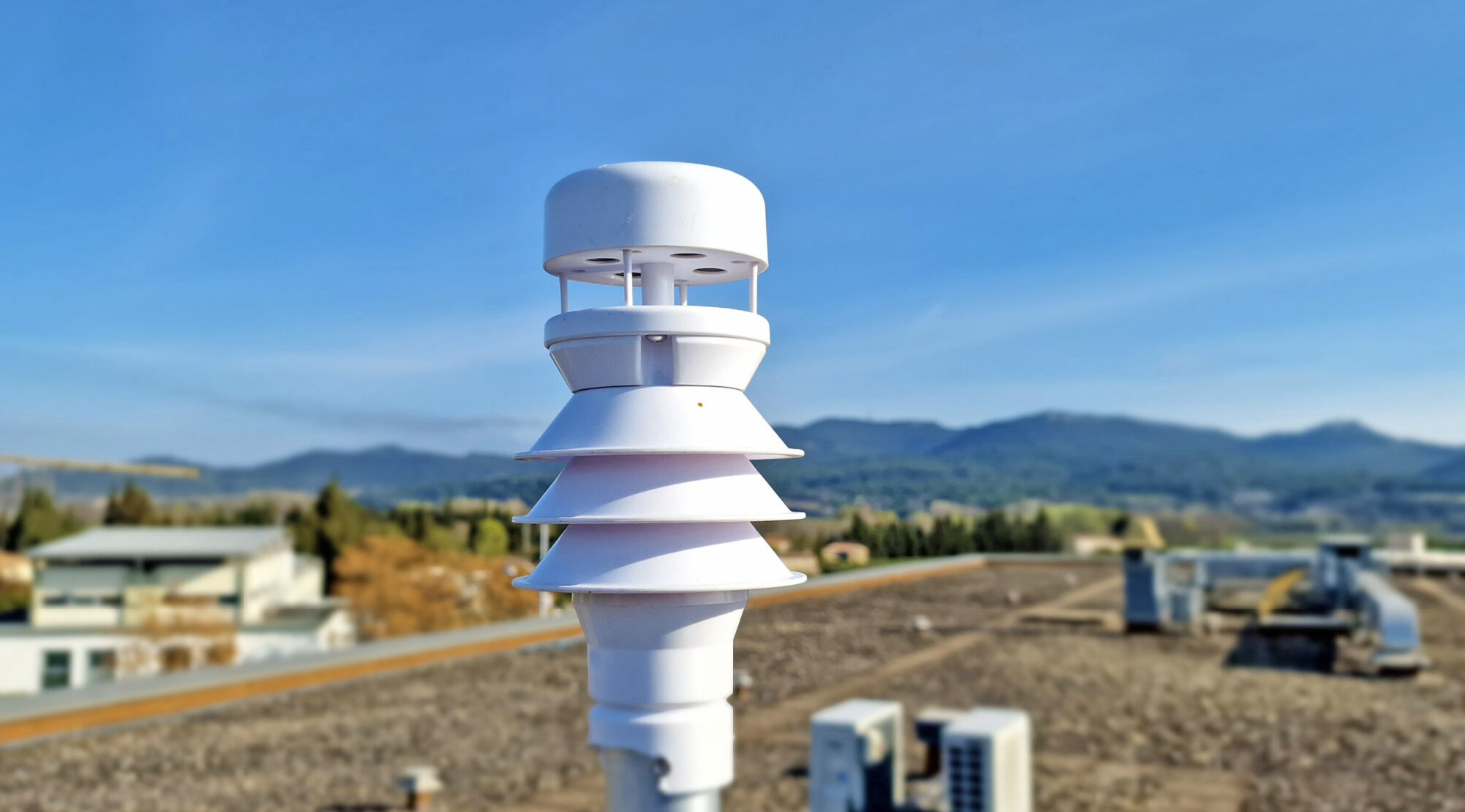
- Real-Time Pollen Counts: Access the latest pollen data specific to Santa Rosa using advanced automated particulate sensors with neural network identification
- Customized Alerts: Receive personalized notifications when tree, grass, weed, or mold spore levels reach thresholds that affect your specific sensitivities
- Accurate Forecasts: Plan ahead with reliable multi-day pollen forecasts combining local plant data with climate and weather information
- Educational Content: Learn about oak, ryegrass, mugwort, and other regional allergens, their peak seasons, and effective management strategies
- Intuitive Design: Navigate easily through current conditions, forecasts, and historical trends with a user-friendly interface optimized for daily use


Learn More About Managing Seasonal Allergies
- Understanding Allergy Pollen Counts: Your Comprehensive Guide – Discover how to interpret pollen count levels and develop effective strategies to minimize your exposure during high-pollen days.
- Why Are My Allergies So Bad Right Now? | Pollen Count & Alerts App Blog – Understand the factors that can cause sudden allergy flare-ups, including climate change, pollution, and shifting pollen patterns.
- Do Allergies Get Worse as You Age? | Pollen Count & Alerts App Blog – Explore how your body's immune response to allergens evolves throughout your lifetime and what to expect as you age.
Stay informed with expert advice and seasonal updates by visiting the Alert Pollen Blog.
Pollen count in nearby cities
FAQ
When is pollen season in Santa Rosa, California?
Santa Rosa experiences year-round pollen activity with no true relief period, but the most intense season runs from March through May when oak pollen reaches its peak. Spring tree pollen (especially oak) is followed by grass pollen from April through September across the Santa Rosa Plain, and then weed pollen (mugwort and sagebrush) dominates from August through November. Mold spores peak during the rainy season from October through April.
What are the most common allergens in Santa Rosa, California?
Oak trees are the dominant allergen in Santa Rosa, particularly valley oak and coast live oak, which produce the most intense pollen from March to May. Other significant tree allergens include bay laurel (January-March), olive (April-June), alder, and cypress. Ryegrass, timothy grass, and Bermuda grass produce sustained pollen loads from April through September, while mugwort and sagebrush are the primary fall allergens peaking in August and September.
How can I use the Pollen Count & Alerts App to manage my allergies in Santa Rosa?
The Pollen Count & Alerts App provides real-time pollen forecasts specific to Santa Rosa, helping you plan outdoor activities around peak pollen times like spring mornings when oak pollen is highest. You can set personalized alerts for the specific allergens that affect you most—whether oak, ryegrass, or mugwort—so you can take preventive medication before symptoms start. The app also tracks air quality during wildfire season (July-November), when smoke compounds allergy symptoms.
Final Thoughts
Living in Santa Rosa means navigating one of Northern California's most challenging allergy climates, with year-round pollen exposure and intense spring oak seasons. However, armed with knowledge about local pollen patterns and the right tools like the Pollen Count & Alerts App, you can take control of your symptoms and enjoy the beauty of Wine Country. Understanding when oak, grass, and weed allergens peak allows you to plan ahead and minimize discomfort.
Don't let pollen keep you indoors—download the Pollen Count & Alerts App today to receive personalized forecasts and alerts tailored to Santa Rosa's unique allergen calendar. Take the first step toward breathing easier all year long.
Take Control of Your Allergies Today
The Pollen Count & Alerts App delivers real-time pollen counts, personalized alerts for your specific allergens, and comprehensive forecasts designed for Santa Rosa's year-round pollen activity. Whether you're dealing with spring oak pollen, summer grasses, or fall weeds, you'll know exactly when to stay indoors or take preventive measures. Download now and start managing your allergies with confidence.