Racine sits on Lake Michigan in southeastern Wisconsin, where shoreline temperatures can influence flowering and frost timing. Spring trees, late-spring and early-summer grasses, and late-summer ragweed shape its pollen calendar. Wind can bring pollen from urban plantings, nearby woodlands and agricultural edges. This guide explains the main sources, approximate seasons, monitoring options and practical ways to reduce exposure.
Understanding Pollen Counts in Racine
A pollen count describes the concentration of airborne pollen, usually reported as grains per cubic meter of air. Monitoring stations collect airborne particles with a sampler and identify and count pollen under a microscope; forecasts and indices are different from direct measurements. Higher exposure can bring sneezing, nasal congestion and itchy, watery eyes, while pollen can also trigger wheezing in people with allergic asthma.
Racine’s Main Airborne Pollen Sources
Racine County documents silver maple, American elm, eastern cottonwood, several oak species and shagbark hickory, providing a local foundation for the spring calendar. Wisconsin guidance places the broader tree season from March or April through early June, followed by overlapping grass and weed seasons. These are approximate regional windows, rather than measurements from individual Racine neighborhoods.
- Tree Pollen: Maple, elm and cottonwood begin the spring sequence, followed by birch, oak and later hardwoods; oak pollen is typically strongest in May.
- Grass Pollen: Regional sources include Kentucky bluegrass, orchardgrass, timothy and perennial ryegrass; the main window runs from mid-May through July, often strongest in late May and June.
- Summer Weed Pollen: Plantain, dock and sorrel contribute during May–August, depending on species; lamb’s quarters and pigweed can continue into September.
- Ragweed Pollen: Common and giant ragweed release pollen from August into October, typically strongest in late August and September, until a killing frost ends the season.
Lake-influenced temperatures may shift flowering and frost timing near the shoreline compared with inland areas, although a Racine pollen gradient has not been established. Warm, dry, windy conditions can increase exposure and transport pollen beyond its source. Goldenrod overlaps ragweed season, but its heavy, insect-carried pollen contributes much less to airborne exposure.
Racine’s Seasonal Pollen Calendar
Use these approximate seasonal windows as a starting point, with weather and shoreline conditions influencing the timing each year.
- Spring (March–May): Maple, elm, cottonwood, ash, birch and oak contribute tree pollen; grasses begin joining the mix in mid-May.
- Summer (June–August): Grass pollen remains prominent in early summer, while plantain, dock and other weeds contribute; ragweed begins in August.
- Fall (September–November): Ragweed remains important until a killing frost; outdoor mold spores can overlap the season but belong to a separate allergen category.
- Winter (December–February): Local outdoor pollen production is generally low, although low seasonal activity does not guarantee a zero airborne concentration.
Find Daily Pollen Information for Racine
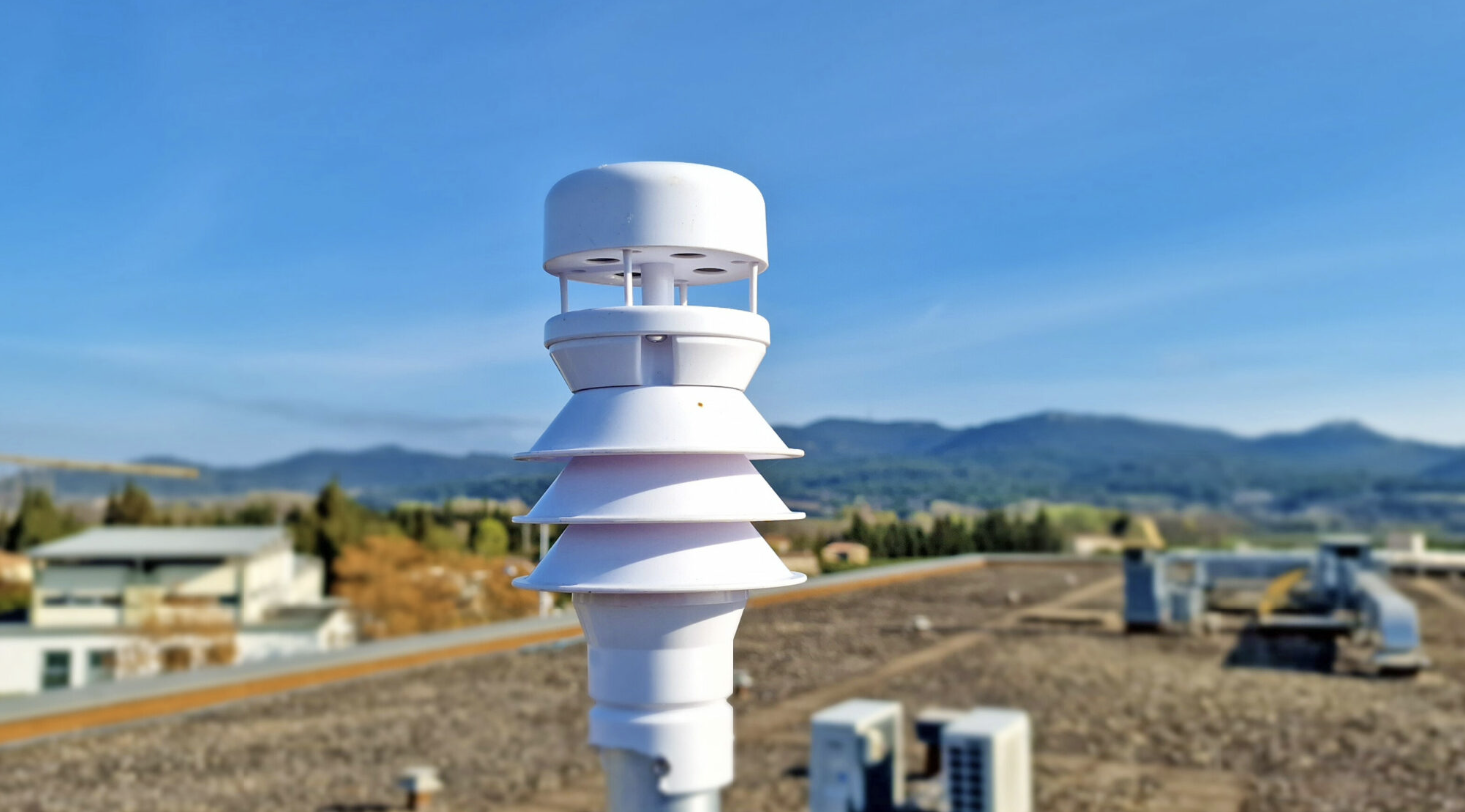
Use the Pollen Count & Alerts App for daily monitoring and real-time tracking of available tree, grass, weed and mold spore information. Check observation dates and whether a display represents a measured count, forecast or index. No active monitoring station within Racine was verified in the supplied research, so nearby measurements may differ from conditions around your home.
Practical Ways to Manage Seasonal Allergies
Combine pollen awareness with everyday exposure reduction and personalized medical advice.
- Use the Pollen Count & Alerts App: Review available pollen information and alerts before planning outdoor activities, especially during your usual trigger season.
- Improve Indoor Air Quality: Keep windows closed during elevated pollen periods and maintain ventilation filters according to the manufacturer’s guidance.
- Practice Personal Hygiene: Change clothes and shower after outdoor exposure to reduce pollen carried onto skin, hair and bedding.
- Use HEPA Purifiers: A properly sized HEPA air purifier can help capture airborne particles indoors; maintain its filters as directed.
- Consult an Allergist: Discuss persistent symptoms, possible triggers and suitable treatment, especially if pollen exposure brings wheezing or breathing difficulty.
App Tools for Staying Ahead of Pollen
The Pollen Count & Alerts App brings pollen information, alerts and planning tools together to support everyday allergy management.
- Real-Time Counts: Check the latest available pollen updates for your selected location, paying attention to timestamps and data sources.
- Customized Alerts: Set notifications around relevant pollen types and exposure levels to help plan your day.
- Pollen Forecasts: Review expected pollen conditions to plan outdoor activities, remembering that forecasts are estimates and local conditions can vary.
- Educational Content: Learn about seasonal pollen sources, mold spores and practical ways to reduce exposure.
- Intuitive Design: Find daily conditions, forecasts and alert settings through an easy-to-navigate interface.


Explore More on Managing Seasonal Allergies
- Understanding Allergy Pollen Counts: Your Comprehensive Guide – Learn how to interpret pollen counts and use daily conditions to guide practical allergy management.
- Why Are My Allergies So Bad Right Now? | Pollen Count & Alerts App Blog – Explore why allergies can suddenly feel worse, including changes in exposure, weather and indoor conditions.
- Do Allergies Get Worse as You Age? | Pollen Count & Alerts App Blog – Discover how allergies can change with age and why familiar seasonal patterns may shift over time.
Stay updated with practical tips and seasonal insights by visiting the Pollen Count & Alerts App Blog.
Pollen count in nearby cities
FAQ
When is pollen season in Racine, WI?
Racine’s tree pollen season generally runs from March or April through early June, starting with maples and elm and continuing with birch, oak, hickory and walnut. Grass pollen typically appears from mid-May through July, with its strongest period usually in late May and June. Ragweed pollen usually arrives in August, peaks in late August and September, and can persist into October until a killing frost. Lake Michigan can shift flowering and frost timing along the shoreline compared with inland areas.
What are the main pollen allergens in Racine, WI?
Locally documented trees include silver maple and American elm, with typical regional peaks in March and April, and eastern cottonwood, which generally peaks in April and May. Northern red oak, white oak and bur oak usually peak in May, while shagbark hickory is most active in May and early June. Relevant regional grasses include Kentucky bluegrass, orchardgrass, timothy and perennial ryegrass, with the strongest pollen period generally from late May through June and some activity continuing into July. Common ragweed and giant ragweed are important late-summer sources, typically peaking in late August and September; these are approximate regional windows, and their relative contributions within Racine are not established.
How can I plan outdoor activities around pollen near Racine’s Lake Michigan shoreline?
Check the Pollen Count & Alerts App before heading outside, and use available forecasts to choose periods with lower expected pollen levels, especially during warm, dry, windy weather. Keep windows closed during high-pollen periods, change clothes after outdoor activities, and rinse pollen from your hair before bed. Check each report’s location and observation date, because nearby Greenfield measurements may differ from conditions along Racine’s shoreline.
Final Thoughts
Racine’s changing mix of tree, grass and ragweed pollen can make outdoor planning challenging, particularly when shoreline conditions differ from inland areas. Understanding seasonal patterns and checking available information in the Pollen Count & Alerts App can help you make informed choices about your day.
Download the Pollen Count & Alerts App to stay informed about pollen conditions and prepare for the changing seasons in Racine.
Sources
- Racine County Resource Assessment
- Children’s Wisconsin: Pollen Control
- UW Health: Pollen and Outdoor Allergen Guidance
Take Charge of Your Pollen Planning in Racine
Use the Pollen Count & Alerts App to access real-time pollen counts where available, personalized alerts and comprehensive forecasts. Check the location and update time behind each report, then use the information to plan outdoor activities around expected conditions.