Milwaukee, Wisconsin sits along the western shore of Lake Michigan, experiencing a continental climate with cold winters and warm, humid summers. This climate supports diverse vegetation that produces significant pollen from late March through early November. Residents face intense tree pollen in spring, grass pollen in early summer, and particularly high ragweed levels in fall. This article covers Milwaukee's key pollen types, seasonal patterns, recent trends, and effective strategies for managing pollen allergies year-round.
Understanding Pollen Count in Milwaukee
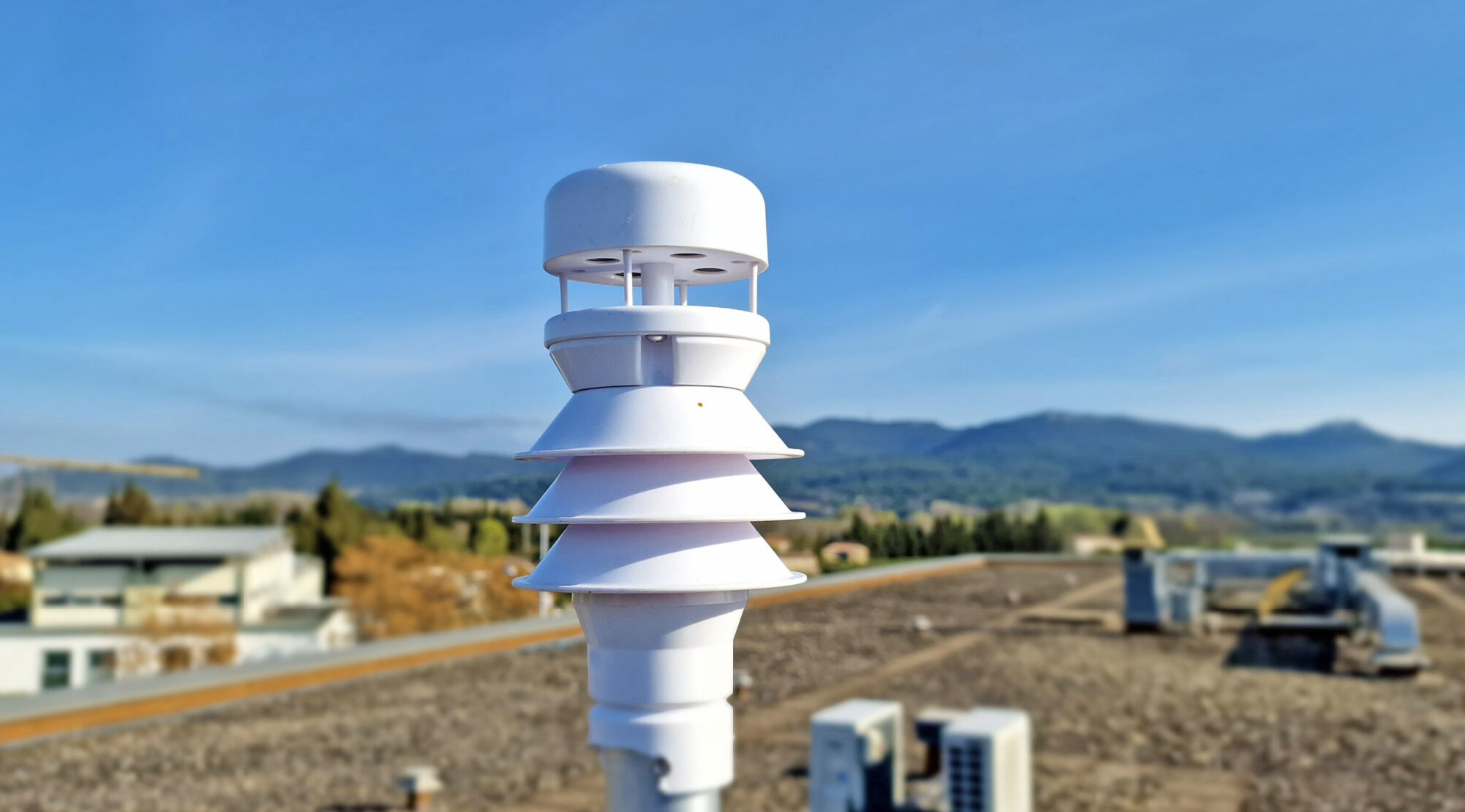
Pollen count measures the concentration of pollen grains per cubic meter of air, collected from monitoring stations throughout the Milwaukee area. When counts are high, allergy sufferers commonly experience sneezing, runny nose, itchy eyes, nasal congestion, and respiratory irritation. Local monitoring stations use both automated sensors and manual microscope analysis to provide accurate daily measurements.
Key Pollen Types and Recent Trends in Milwaukee
Milwaukee's pollen landscape has changed dramatically in recent years due to climate change. Birch and tree pollen counts in Southeast Wisconsin reached their highest levels since 2014 during the 2024-2025 season. The tree pollen season has extended from an average of 69 days to approximately 88 days—nearly a three-week increase over the past 25 years. Milwaukee has also experienced a 21-day increase in consecutive days above freezing from 1970 to 2021, allowing plants to pollinate earlier and longer.
- Oak, Maple, and Birch Pollen: Dominate spring allergies with birch reaching record highs in 2024, peaking in late May across Milwaukee
- Kentucky Bluegrass Pollen: The most common turfgrass in Wisconsin, responsible for significant late spring and early summer allergen loads across suburban lawns and parks
- Common Ragweed Pollen: Wisconsin's most notorious fall allergen, triggering severe asthma exacerbations particularly in children during mid-September peak period
Higher carbon dioxide levels from climate change boost plant growth, leading to increased pollen production across all major allergen types. Lake Michigan's presence influences local pollen dispersal patterns, while strong southerly winds can transport additional pollen from southern states during spring bloom periods. Urban Milwaukee generally experiences lower pollen counts than suburban areas with more diverse vegetation and tree canopy coverage.
Seasonal Pollen Patterns in Milwaukee
Milwaukee's pollen season spans approximately eight to nine months, with distinct allergen peaks across each season.
- Spring (Late March to June): Dominated by tree pollen from oak, maple, birch, and ash, with peak levels occurring in late May
- Summer (Late May to July): Characterized by grass pollen from Kentucky bluegrass, timothy grass, and ryegrass, peaking at the end of May through early June
- Fall (Late August to First Frost): Overwhelmingly dominated by common ragweed, reaching peak levels in September and triggering severe asthma exacerbations
- Winter (November to March): Minimal pollen activity, though warmer winters have shortened this relief period by approximately three weeks over recent decades
Access Daily Pollen Data for Milwaukee
The Pollen Count & Alerts App provides real-time pollen monitoring specifically for Milwaukee, tracking tree, grass, weed, and mold spore levels throughout the day. Stay informed with location-specific data collected from local monitoring stations including the Allergy, Asthma & Sinus Center in nearby Greenfield. Receive timely alerts when pollen counts rise, allowing you to plan outdoor activities during low-pollen periods and minimize allergy symptoms.
Effective Allergy Management Strategies for Milwaukee Residents
Managing pollen allergies in Milwaukee requires a combination of monitoring, prevention, and treatment strategies.
- Use the Pollen Count & Alerts App: Monitor real-time pollen levels and receive alerts to plan outdoor activities during low-pollen times
- Improve Indoor Air Quality: Keep windows closed during high-pollen periods, particularly on warm, humid, windy days when pollen counts surge
- Practice Personal Hygiene: Shower and change clothes after being outdoors to remove pollen from skin and hair, preventing indoor contamination
- Install HEPA Air Purifiers: Use high-efficiency particulate air filters in bedrooms and living spaces to capture airborne pollen particles
- Consult an Allergist: Seek professional evaluation for personalized treatment plans, including immunotherapy options for long-term relief
App Features to Enhance Your Allergy Management
The Pollen Count & Alerts App offers comprehensive tools designed specifically for Milwaukee allergy sufferers to track and manage pollen exposure.
- Real-Time Pollen Counts: Access the latest pollen data specific to Milwaukee, updated daily from local monitoring stations
- Customized Alerts: Receive notifications when pollen levels for your specific allergens reach thresholds that trigger your symptoms
- Accurate Forecasts: View multi-day pollen forecasts to plan outdoor activities, yard work, and exercise around low-pollen periods
- Educational Content: Learn about Milwaukee's specific allergens including ragweed, oak, birch, and grass pollen with species-specific information
- Intuitive Design: Navigate easily through pollen data, historical trends, and seasonal patterns with a user-friendly interface


Explore More on Managing Seasonal Allergies
- Understanding Allergy Pollen Counts: Your Comprehensive Guide – Learn how to interpret pollen count levels and develop effective strategies to minimize allergy symptoms throughout the year.
- Why Are My Allergies So Bad Right Now? | Pollen Count & Alerts App Blog – Discover the reasons behind sudden allergy flare-ups, including climate change impacts and longer pollen seasons.
- Do Allergies Get Worse as You Age? | Pollen Count & Alerts App Blog – Understand how your body's response to allergens evolves over time and why allergies may improve or worsen with age.
Stay updated with the latest tips and insights by visiting the Alert Pollen Blog.
Pollen count in nearby cities
FAQ
When is pollen season in Milwaukee, WI?
Pollen season in Milwaukee runs from late March through early November, spanning approximately 8-9 months. The highest pollen counts occur in April and May during tree pollen season (oak, maple, and birch), late May through early June for grass pollen (Kentucky bluegrass and timothy grass), and September for ragweed, which is the most notorious fall allergen in Wisconsin.
What are the most common allergens in Milwaukee, WI?
Milwaukee's most common allergens include tree pollen from oak, maple, and birch (peaking in late May), grass pollen from Kentucky bluegrass, timothy grass, and ryegrass (peaking from late May to early June), and common ragweed (peaking in September). Ragweed is particularly problematic in Wisconsin and is the biggest culprit for fall allergies, often triggering a spike in asthma-related hospitalizations, especially among children in mid-September.
How can I protect myself from pollen in Milwaukee and use the app to manage my allergies?
Download the Pollen Count & Alerts App to receive real-time pollen counts and personalized alerts specific to Milwaukee, helping you plan outdoor activities on lower-pollen days. On high pollen days (particularly during warm, humid, windy conditions), limit outdoor exposure during peak morning hours, keep windows closed, and shower after being outside to remove pollen from hair and skin. Rain provides temporary relief by washing pollen from the air, making post-rain periods ideal for outdoor activities.
Final Thoughts
Living in Milwaukee means navigating one of the longest pollen seasons in the Midwest, with tree, grass, and ragweed allergens affecting residents from late March through early November. However, with accurate local pollen data from monitoring stations like the Allergy, Asthma & Sinus Center in Greenfield and tools like the Pollen Count & Alerts App, you can take control of your allergy symptoms and enjoy outdoor activities with confidence.
Download the Pollen Count & Alerts App today to receive personalized pollen forecasts and real-time alerts tailored to Milwaukee's unique allergen patterns. Take the guesswork out of managing your allergies and breathe easier this season.
Take Control of Your Allergies Today
The Pollen Count & Alerts App provides real-time pollen counts, personalized alerts based on your specific allergen sensitivities, and comprehensive forecasts to help you plan your days in Milwaukee. Whether you're dealing with spring tree pollen, summer grasses, or fall ragweed, our app keeps you informed and prepared. Download now and start managing your allergies with confidence.