Cicero, Illinois sits in the heart of the Chicago metropolitan area, where the humid Great Lakes climate and urban landscape create year-round allergy challenges. Residents face significant pollen exposure from tree, grass, and weed species, amplified by Lake Michigan winds and the region's extended growing season. This guide provides detailed information on local pollen types, seasonal patterns, monitoring resources, and practical strategies to help you manage allergies effectively throughout the year.
Understanding Pollen Count in Cicero
Pollen count measures the concentration of pollen grains per cubic meter of air, typically categorized as low, moderate, high, or very high. When pollen levels rise, individuals sensitive to these allergens commonly experience symptoms including sneezing, runny or congested nose, itchy watery eyes, scratchy throat, and respiratory discomfort. Understanding daily pollen counts helps you anticipate exposure and take preventive measures before symptoms worsen.
Key Pollen Types and Emerging Trends in Cicero
Cicero residents are exposed to diverse allergens from the Chicago area's 4 million trees, extensive grasslands, and prolific weed species. Recent research analyzing over 1,000 Chicago-area patients from 2014 to 2024 revealed dramatic increases in allergen sensitization following the COVID-19 pandemic, with more people developing new allergies or experiencing intensified reactions. The Asthma and Allergy Foundation of America consistently ranks Chicago among the most challenging cities for allergy sufferers, and climate change is making the situation worse.
- Oak Pollen: Dominant tree allergen in the Chicago area, producing heavy pollen loads from April through May that overwhelm sensitive individuals
- Ragweed Pollen: Most significant fall allergen, beginning in August and peaking in early-to-mid September with frequently high to very high levels affecting senior citizens and vulnerable populations
- Grass Pollen: Dominates late spring and early summer from May through July, with peak concentrations in June from species including Kentucky bluegrass, timothy grass, and ryegrass
- Dust Mites and Mold: Year-round indoor allergens flourishing in Cicero's humid Great Lakes climate, representing the most common persistent allergen in local homes
Climate change is extending allergy seasons in the Chicago area, causing earlier spring blooming and delayed fall frosts that prolong ragweed exposure. Warmer temperatures combined with the urban heat island effect mean pollen is now active during historically dormant months, with higher overall pollen counts expected in coming years. Lake Michigan's lake effect creates rising air currents that spread pollen more widely across the metro area, while Chicago's famous winds carry rural grass and weed pollen into Cicero, layering it on top of urban sources.
Seasonal Pollen Patterns Throughout the Year
Cicero experiences distinct seasonal allergy patterns driven by the region's continental climate and diverse plant life.
- Spring (March to May): Tree pollen dominates and peaks in April and May, with oak, birch, maple, hickory, and ash producing the highest concentrations during the most challenging months for allergy sufferers
- Summer (May to August): Grass pollen takes over from late May through early July, with June representing peak exposure from Kentucky bluegrass, timothy grass, bermuda grass, ryegrass, and native prairie species
- Fall (August to November): Weed pollen season runs from August through the first hard frost in November, with ragweed peaking in early-to-mid September at high to very high levels that significantly impact respiratory health
- Winter (December to February): Pollen levels drop outdoors, but indoor allergens including dust mites, mold spores, and pet dander remain active year-round in the humid indoor environments common to the Great Lakes region
Access Daily Pollen Data for Cicero
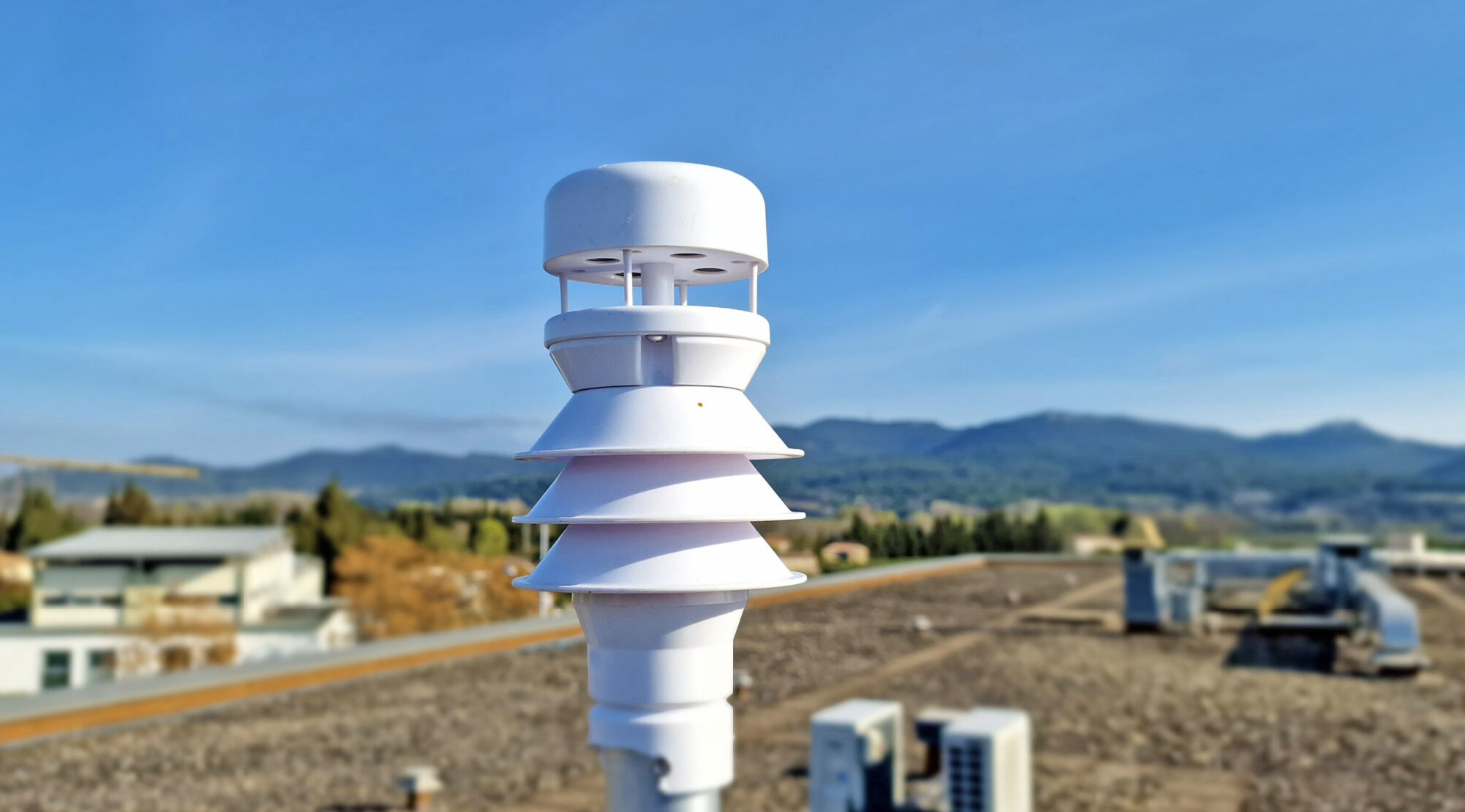
The Pollen Count & Alerts App provides real-time pollen monitoring specifically for Cicero and the Chicago metropolitan area, tracking tree, grass, weed, and mold spore levels daily. Unlike national forecast sites that use regional modeling, the app delivers direct measurements from local monitoring stations, giving you the most accurate data to plan your day. Receive personalized alerts when pollen levels spike so you can adjust outdoor activities and manage symptoms proactively.
Effective Allergy Management Strategies for Cicero Residents
Taking proactive steps can significantly reduce allergy symptoms and improve your quality of life during high pollen seasons.
- Use the Pollen Count & Alerts App: Monitor real-time pollen levels and receive alerts to plan outdoor activities during low-pollen times, especially avoiding early morning hours when counts are highest
- Improve Indoor Air Quality: Keep windows closed during peak pollen seasons, use air conditioning with clean filters, and reduce indoor humidity to discourage dust mites and mold growth
- Practice Personal Hygiene: Shower and wash hair before bed to remove pollen collected during the day, change clothes after being outdoors, and avoid hanging laundry outside where it can collect allergens
- Install HEPA Air Purifiers: Use high-efficiency particulate air filters in bedrooms and main living areas to remove pollen, dust mites, mold spores, and pet dander from indoor air
- Consult an Allergist: Cicero has access to 195 asthma and allergy specialists in the area who can provide testing, personalized treatment plans, immunotherapy, and medication management for severe or persistent symptoms
Pollen Count & Alerts App Features to Enhance Your Allergy Management
The Pollen Count & Alerts App offers comprehensive tools designed specifically to help Cicero residents track and manage their seasonal allergies effectively.
- Real-Time Pollen Counts: Access the latest pollen data specific to Cicero and the Chicago area, updated daily with measurements from local monitoring stations
- Customized Alerts: Receive personalized notifications when pollen levels for your specific allergens reach thresholds that typically trigger your symptoms
- Accurate Forecasts: Plan ahead with multi-day pollen forecasts showing expected levels for tree, grass, weed, and mold allergens based on weather patterns and historical data
- Educational Content: Learn about specific allergen species, seasonal patterns, climate impacts, and evidence-based management strategies tailored to the Chicago region
- Intuitive Design: Navigate easily through a user-friendly interface that displays pollen information clearly, helping you make informed decisions about outdoor activities and medication timing


Learn More About Managing Your Seasonal Allergies
- Understanding Allergy Pollen Counts: Your Comprehensive Guide – Discover how to interpret pollen count levels and develop effective strategies to reduce your exposure and manage symptoms throughout the year.
- Why Are My Allergies So Bad Right Now? | Pollen Count & Alerts App Blog – Understand the factors that can cause your allergies to intensify suddenly, including environmental changes and increased sensitization.
- Do Allergies Get Worse as You Age? | Pollen Count & Alerts App Blog – Learn why your allergic responses may shift as you age and what you can do to adapt your allergy management approach over time.
Stay informed with helpful resources and expert advice by visiting the Alert Pollen Blog.
Pollen count in nearby cities
FAQ
When is pollen season in Cicero, IL?
Pollen season in Cicero typically begins in late February or early March and extends through November. Tree pollen peaks in April and May, grass pollen dominates from May through early July with peak levels in June, and weed pollen, particularly ragweed, peaks in early-to-mid September. Due to climate change, the allergy season is starting earlier and lasting longer than in previous decades.
What are the most common allergens in Cicero, IL?
The most common allergens in Cicero include oak and birch tree pollen peaking in March through May, Kentucky bluegrass and timothy grass pollen peaking in June, and ragweed pollen peaking in September. Year-round indoor allergens such as dust mites and mold spores are also significant concerns due to the humid Great Lakes climate. Other notable allergens include hickory, ash, maple, cedar, amaranth, and pigweed.
How can I protect myself from pollen in Cicero using the Pollen Count & Alerts App?
The Pollen Count & Alerts App provides real-time pollen counts and personalized alerts specific to your sensitivities, helping you plan outdoor activities when pollen levels are lower. By checking the app each morning, you can prepare with appropriate medication before symptoms start and avoid peak pollen hours. The app delivers localized data for the Cicero area, ensuring you receive the most accurate information for your daily planning.
Final Thoughts
Living in Cicero means navigating a challenging allergy environment with multiple pollen seasons, lake effect winds, and increasing pollen counts due to climate change. However, with the right information and tools like the Pollen Count & Alerts App, you can take control of your allergy management and enjoy better quality of life year-round. Understanding your local pollen calendar and peak allergen periods empowers you to plan ahead and minimize symptoms.
Download the Pollen Count & Alerts App today to receive personalized, real-time pollen information tailored to Cicero and start managing your allergies more effectively.
Take Control of Your Allergies Today
The Pollen Count & Alerts App delivers real-time pollen counts, personalized alerts based on your specific sensitivities, and comprehensive forecasts for the Cicero area. With accurate local data and timely notifications, you can stay one step ahead of pollen season and breathe easier. Download the app now and experience the difference that personalized allergy management can make.