Naperville, located 30 miles west of downtown Chicago in DuPage County, experiences a humid continental climate that produces distinct and intense pollen seasons year-round. The city's mature tree-lined streets, expansive lawns, and proximity to the DuPage River create one of the most challenging pollen environments in the Chicago suburbs. This guide provides comprehensive information about Naperville's pollen types, seasonal patterns, recent trends, and effective strategies for managing your allergies throughout the year.
Understanding Pollen Count in Naperville
Pollen count measures the concentration of pollen grains per cubic meter of air, helping allergy sufferers anticipate symptom severity. When pollen counts are high, individuals sensitive to specific allergens may experience sneezing, runny nose, itchy eyes, congestion, and asthma complications. Real-time monitoring by certified counters provides essential data for managing daily activities and medication needs.
Key Pollen Types and Significant Allergens in Naperville
Naperville residents face three distinct pollen seasons, each dominated by different allergen sources. Oak pollen stands out as the dominant tree allergen in DuPage County during spring, while ragweed represents the primary fall allergen affecting approximately 75% of Americans allergic to pollen-producing plants. The city's location in the heart of the Chicagoland allergy belt, combined with its flat landscape and humid climate, allows allergens to travel freely and intensify local pollen exposure.
- Oak Pollen: The dominant tree allergen in DuPage County, peaking in April-May and producing the heaviest tree pollen period of the year
- Ragweed Pollen: The primary fall allergen peaking in September, affecting 23 million Americans according to the American College of Allergy, Asthma, and Immunology
- Grass Pollen: Bluegrass and Fescue from expansive lawns peak in June, creating the worst month for grass allergies
- Cottonwood Pollen: Abundant along the DuPage River corridor in late May, producing both allergenic pollen and troublesome seeds
Climate change has significantly impacted Naperville's pollen seasons, with the growing season increasing by almost two weeks since 1970 in the Chicago area. Warmer winters and rising temperatures have led to longer pollen seasons, fewer frost days, and potentially higher overall pollen counts, intensifying allergies in urban areas like Naperville.
Seasonal Pollen Patterns in Naperville
Naperville experiences four distinct pollen seasons throughout the year, with varying allergen types and intensity levels.
- Spring (March to May): Dominated by tree pollen including maple, elm, birch, and oak, with oak peaking in April-May as the heaviest tree allergen period
- Early Summer (May to July): Grass pollen season peaks in June from bluegrass, fescue, ryegrass, and prairie grasses, with late May to early June representing the worst overall allergy period due to overlapping tree and grass pollen
- Late Summer and Fall (August to October): Weed pollen season features ragweed as the primary allergen, peaking in September as one of the worst individual months for allergies in Naperville
- Winter (November to February): Minimal outdoor pollen activity, though indoor allergens and mold may still cause symptoms, especially near the humid DuPage River corridor
Access Daily Pollen Data for Naperville
The Pollen Count & Alerts App provides real-time pollen monitoring specifically for Naperville, tracking tree, grass, weed, and mold spore levels throughout the year. Using big data analysis of pollen-releasing plants, climate patterns, and current weather conditions, the app delivers accurate daily forecasts and personalized alerts. Stay informed about pollen levels in your specific zip code and plan your outdoor activities during low-pollen times to minimize allergy symptoms.
Effective Allergy Management Strategies for Naperville Residents
Implementing these evidence-based strategies can significantly reduce your exposure to pollen and alleviate allergy symptoms.
- Use the Pollen Count & Alerts App: Monitor real-time pollen levels and receive customized alerts to plan outdoor activities during low-pollen times in Naperville
- Maintain Indoor Air Quality: Keep windows closed during high pollen days, especially during April-May oak season and September ragweed peak, and run air conditioning with clean filters
- Practice Personal Hygiene: Shower and change clothes after outdoor activities to remove pollen from skin and hair, and wash bedding frequently during peak seasons
- Install HEPA Air Purifiers: Use high-efficiency particulate air filters in bedrooms and main living areas to capture airborne pollen and mold spores from the DuPage River corridor
- Consult an Allergist: Work with local allergy and asthma specialists serving Naperville and DuPage County for personalized treatment plans, including immunotherapy options
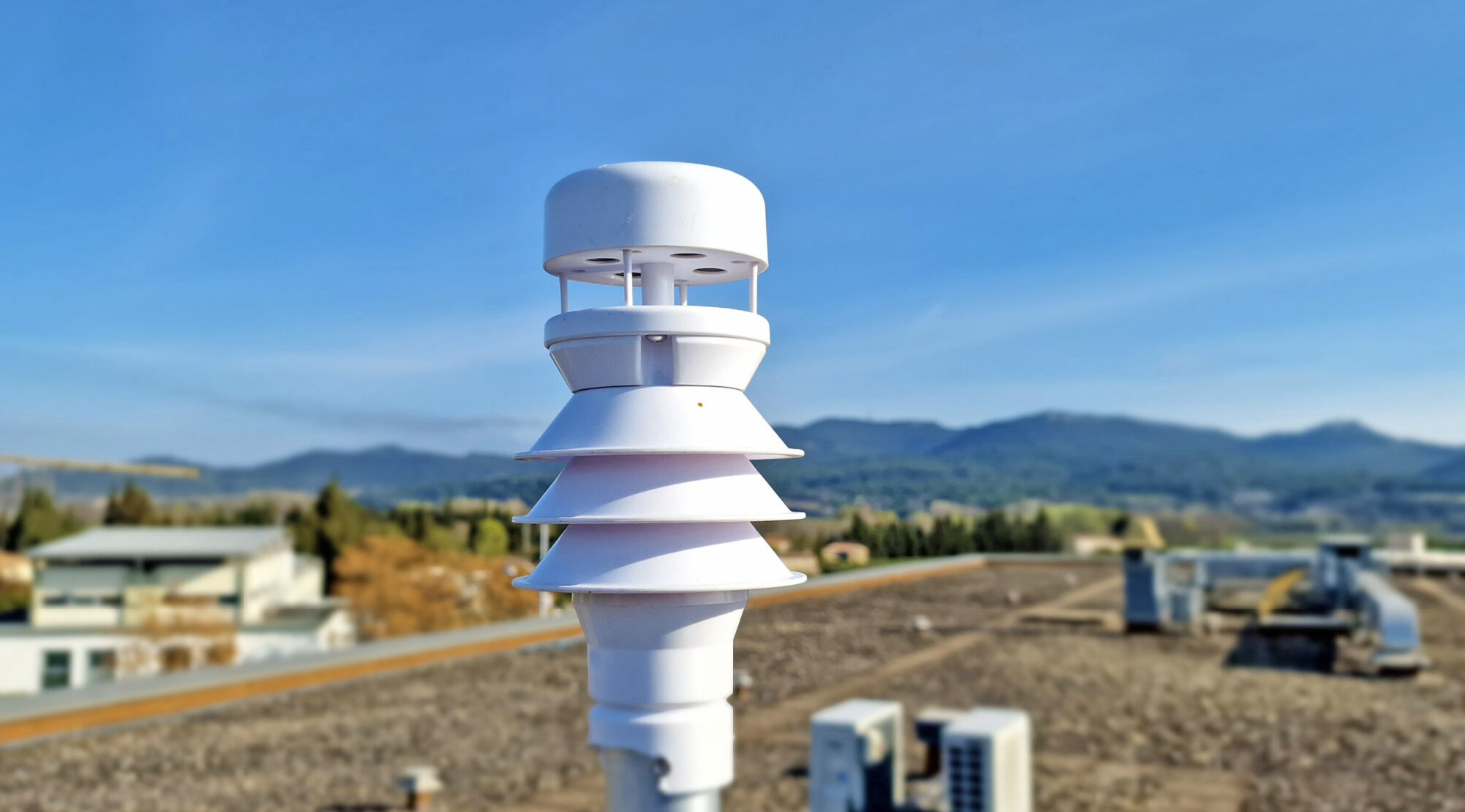
Pollen Count & Alerts App Features for Enhanced Allergy Management
The Pollen Count & Alerts App offers comprehensive tools designed specifically to help Naperville residents track and manage their pollen allergies effectively.
- Real-Time Pollen Counts: Access the latest pollen data specific to Naperville zip codes 60540, 60564, and 60565 with continuous updates throughout allergy seasons
- Customized Allergy Alerts: Receive personalized notifications when pollen levels for your specific allergens reach thresholds that may trigger symptoms
- Accurate 5-Day Forecasts: Plan your week with detailed pollen forecasts covering tree, grass, weed, and mold spore levels based on local weather and climate data
- Educational Content: Learn about specific allergens affecting Naperville, including oak, ragweed, and grass pollen, with expert guidance on symptom management
- Intuitive User Interface: Navigate easily through pollen data, seasonal calendars, and allergy management tips designed for quick access during busy days


Explore More on Managing Seasonal Allergies
- Understanding Allergy Pollen Counts: Your Comprehensive Guide – Learn how to interpret pollen count levels and discover evidence-based strategies to minimize your exposure and manage allergy symptoms effectively.
- Why Are My Allergies So Bad Right Now? | Pollen Count & Alerts App Blog – Understand the factors that can cause your allergies to suddenly intensify, including climate change, new environmental exposures, and aging immune responses.
- Do Allergies Get Worse as You Age? | Pollen Count & Alerts App Blog – Discover how your body's allergic responses evolve throughout your lifetime and why you might develop new sensitivities or outgrow childhood allergies.
Stay updated with the latest tips and insights by visiting the Alert Pollen Blog.
Pollen count in nearby cities
FAQ
When is pollen season in Naperville, IL?
Pollen season in Naperville spans from mid-March through October, with distinct phases throughout the year. Tree pollen dominates spring (March-May) with oak peaking in April-May, grass pollen peaks in June during early summer, and ragweed leads the fall season with September being particularly severe. The worst overall period is typically late May to early June when late oak pollen, rising grass pollen, and cottonwood overlap.
What are the most common allergens in Naperville, IL?
The most common allergens in Naperville include oak, birch, maple, and cottonwood trees during spring (April-May), bluegrass and fescue grasses peaking in June, and ragweed dominating the fall season in September. Oak is the primary tree allergen in DuPage County, while ragweed is the leading fall allergen affecting approximately 75% of Americans with pollen allergies. Other significant contributors include elm, ash, timothy grass, pigweed, and lamb's quarters throughout their respective seasons.
How can I protect myself from pollen in Naperville?
Monitor daily pollen forecasts using the Pollen Count & Alerts App to plan outdoor activities during low-pollen periods, typically after rain or during cooler, less windy days. Keep windows closed during peak pollen hours (morning and early evening), shower after spending time outdoors to remove pollen from hair and skin, and consider using HEPA air filters indoors. The app's personalized alerts can help you prepare before pollen levels spike in your specific Naperville neighborhood.
Final Thoughts
Living in Naperville means navigating one of the Chicagoland area's most intense pollen environments, with well-defined spring, summer, and fall allergy seasons. However, armed with knowledge about local pollen patterns and the right tools, you can take control of your allergy management. The Pollen Count & Alerts App provides the real-time, location-specific information you need to stay ahead of pollen spikes throughout the year.
Download the Pollen Count & Alerts App today to receive personalized alerts tailored to Naperville's unique pollen patterns and take the guesswork out of managing your seasonal allergies.
Take Control of Your Allergies Today
The Pollen Count & Alerts App delivers real-time pollen counts specific to Naperville, personalized alerts based on your sensitivity triggers, and comprehensive 5-day forecasts to help you plan ahead. Whether you're dealing with spring oak, summer grass, or fall ragweed, our app keeps you informed and prepared. Download now and breathe easier all year long.