Located in northeastern Illinois, Aurora experiences a humid continental climate with distinct seasonal variations that create extended pollen seasons. From late February through October, residents face nearly eight continuous months of pollen exposure from trees, grasses, and weeds, with ragweed being particularly problematic in fall. This guide provides comprehensive information about Aurora's pollen patterns, seasonal trends, and practical strategies for managing allergies throughout the year.
Understanding Pollen Count in Aurora
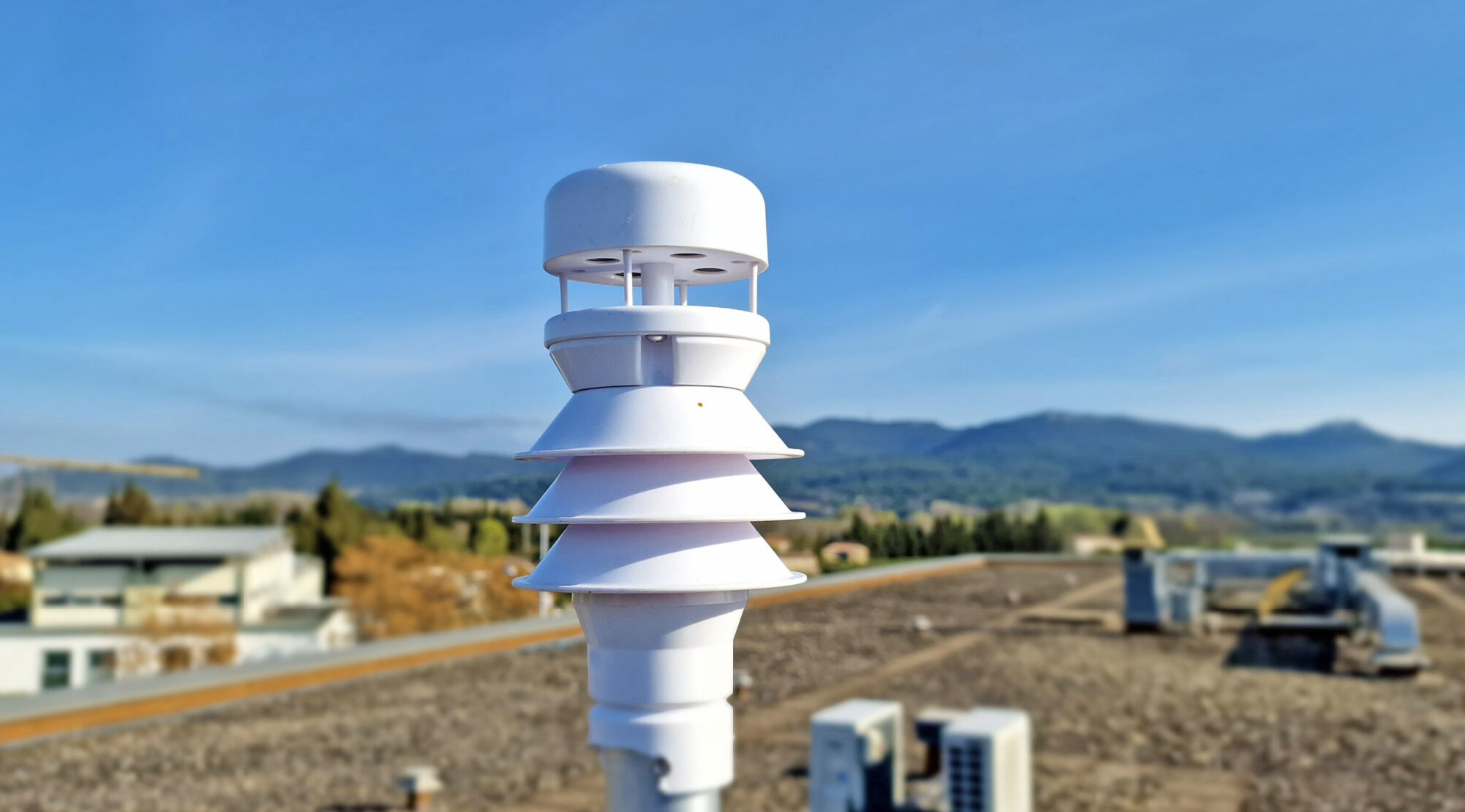
Pollen count measures the concentration of pollen grains per cubic meter of air, collected through automated sensors and monitoring stations throughout the Aurora area. When pollen levels are high, allergy sufferers typically experience symptoms including sneezing, congestion, itchy eyes, and respiratory irritation. Local monitoring agencies including the Asthma and Allergy Center of Chicago provide daily updates using advanced Automated Particulate Sensors technology to track real-time pollen levels.
Key Pollen Types and Allergens in Aurora
Aurora's allergy season is characterized by three distinct pollen peaks throughout the year, each dominated by different plant types. The city's location in the Illinois prairie region contributes to a diverse range of allergenic plants, with ragweed standing out as the predominant late-season allergen that affects residents most severely.
- Tree Pollen: Includes hickory, ash, cedar, mulberry, walnut, oak, maple, willow, and privet, with peak concentrations occurring during March and April
- Grass Pollen: Features ryegrass, Bermuda grass, fescue, Timothy grass, orchard grass, bluegrass, and native prairie grasses, reaching highest levels from late May through early July
- Ragweed Pollen: The primary fall allergen peaking in September, causing significant seasonal allergic rhinitis symptoms until the first winter frost
- Weed Pollen: Encompasses ragweed, wormwood, and pigweed species, extending from late July through October across the region
Aurora's continental climate creates more pronounced seasonal variations compared to coastal regions, with wind patterns significantly impacting pollen dispersal throughout the metropolitan area. Cold winters provide complete relief by eliminating pollen production, while temperature fluctuations in spring and fall directly influence the timing and intensity of pollen release.
Seasonal Pollen Patterns in Aurora
Aurora experiences distinct pollen seasons that align with the region's dramatic climate shifts throughout the year.
- Spring (March to May): Dominated by tree pollen from hickory, ash, cedar, oak, maple, and walnut, with peak levels occurring in March and April
- Summer (June to August): Characterized by grass pollen including ryegrass, Bermuda grass, fescue, and Timothy grass, reaching maximum concentrations in late May through early July
- Fall (September to November): Marked by weed pollen, particularly ragweed which peaks in September and remains high until the first frost eliminates production
- Winter (December to February): Provides complete allergy relief with pollen levels dropping to zero due to very cold temperatures that halt all pollen generation
Access Daily Pollen Data in Aurora
The Pollen Count & Alerts App provides Aurora residents with hyperlocal, real-time pollen data specific to your neighborhood. Track daily concentrations of tree, grass, weed, and mold spores with accurate forecasts that help you plan outdoor activities during low-pollen periods. Stay informed with customized alerts that notify you when pollen levels spike in your area.
Effective Allergy Management Strategies for Aurora Residents
Managing allergies in Aurora requires proactive monitoring and strategic lifestyle adjustments throughout the eight-month pollen season.
- Use the Pollen Count & Alerts App: Monitor real-time pollen levels specific to Aurora and receive alerts to plan outdoor activities during low-pollen times
- Improve Indoor Air Quality: Keep windows closed during high pollen days, especially on windy mornings when pollen dispersal is greatest
- Practice Good Personal Hygiene: Shower and change clothes after outdoor activities to remove pollen from hair and skin, reducing indoor exposure
- Install HEPA Air Purifiers: Use high-efficiency particulate air filters in bedrooms and living spaces to capture airborne pollen particles
- Consult an Allergist: Seek professional medical advice for personalized treatment plans, including immunotherapy options for long-term relief
Enhance Your Allergy Management with the Pollen Count & Alerts App
The Pollen Count & Alerts App offers comprehensive features designed specifically to help Aurora residents navigate the region's extended allergy season.
- Real-Time Pollen Counts: Access the latest pollen data specific to Aurora using advanced sensor technology and automated monitoring networks
- Customized Alerts: Receive personalized notifications when pollen levels for your specific allergens reach problematic thresholds in your area
- Accurate Forecasts: Plan ahead with multi-day pollen forecasts that account for Aurora's weather patterns and seasonal variations
- Educational Content: Learn about local pollen types, peak seasons, and evidence-based strategies for managing allergic rhinitis symptoms
- Intuitive Design: Navigate easily through a user-friendly interface that displays pollen levels by type with clear visual indicators


Explore More on Managing Seasonal Allergies
- Understanding Allergy Pollen Counts: Your Comprehensive Guide – Learn how to interpret pollen count data and implement effective strategies to reduce your allergy symptoms throughout the year.
- Why Are My Allergies So Bad Right Now? | Pollen Count & Alerts App Blog – Discover the environmental and physiological factors that can cause your allergies to intensify unexpectedly.
- Do Allergies Get Worse as You Age? | Pollen Count & Alerts App Blog – Understand how your immune system's response to allergens evolves throughout different life stages.
Stay updated with the latest tips and insights by visiting the Alert Pollen Blog.
Pollen count in nearby cities
FAQ
When is pollen season in Aurora, IL?
Pollen season in Aurora, IL extends from late February through October, providing relief only during the coldest winter months of December through February. The season includes three distinct peaks: tree pollen from March to May (peak in April), grass pollen from mid-May through August (peak in late May to early July), and ragweed/weed pollen from late July through October (peak in September). The worst allergy months are typically April, May, June, and September.
What are the most common allergens in Aurora, IL?
The most common allergens in Aurora include tree pollen from oak, maple, ash, hickory, cedar, mulberry, walnut, willow, and privet, peaking from March to April. Grass pollen allergens include ryegrass, bluegrass, timothy grass, fescue, Bermuda grass, orchard grass, Johnsongrass, redtop, and prairie grass, with peak levels from late May through early July. Ragweed is the predominant weed allergen, along with wormwood and pigweed, causing the most severe symptoms in September.
How can I stay ahead of pollen levels in Aurora, IL?
Using the Pollen Count & Alerts App provides real-time pollen data specific to Aurora, allowing you to plan outdoor activities during lower pollen times. Monitor daily forecasts and set personalized alerts for your specific allergens to minimize exposure during peak pollen days. Stay indoors when wind conditions increase pollen dispersal, and take advantage of Aurora's cold winters for complete seasonal relief.
Final Thoughts
Living in Aurora, IL means navigating eight months of pollen exposure annually, but with the right information and tools, you can take control of your allergy symptoms. Understanding the specific pollen calendar for Aurora—from tree pollen in spring to ragweed in fall—empowers you to prepare and protect yourself during peak seasons. The Pollen Count & Alerts App provides the real-time, location-specific data you need to make informed decisions about your daily activities.
Download the Pollen Count & Alerts App today to receive personalized pollen alerts and forecasts tailored to Aurora's unique allergen profile. Take the guesswork out of managing your seasonal allergies.
Take Control of Your Allergies Today
The Pollen Count & Alerts App delivers real-time pollen counts, personalized alerts for your specific allergens, and comprehensive forecasts to help you stay one step ahead of Aurora's challenging pollen seasons. With accurate, location-based data updated continuously, you'll know exactly when to take precautions and when it's safe to enjoy the outdoors. Download now and breathe easier all year long.