Philadelphia, Pennsylvania experiences a humid subtropical climate with distinct seasons, creating significant pollen fluctuations throughout the year. The city's combination of urban pollution, warming temperatures, and extended growing seasons presents particularly challenging conditions for allergy sufferers, with extreme pollen levels becoming increasingly common. This guide provides comprehensive information about Philadelphia's pollen types, seasonal patterns, recent trends, and effective management strategies to help you navigate allergy season.
Understanding Pollen Count in Philadelphia
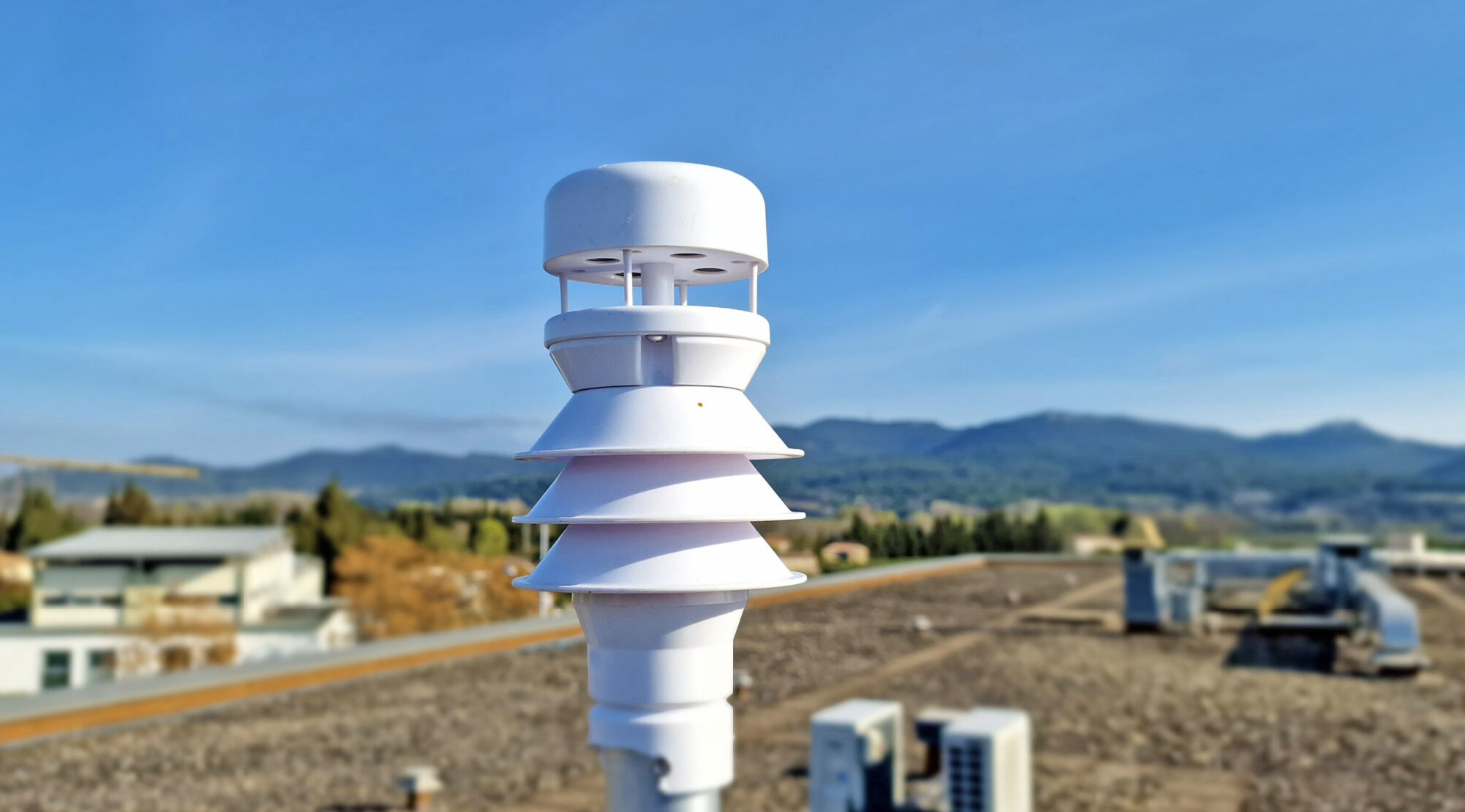
Pollen count measures the concentration of pollen grains per cubic meter of air, indicating allergen exposure levels. In Philadelphia, local monitoring agencies use air-sampling devices and AI-powered sensors to provide real-time data and forecasts. When pollen counts are high or extreme, individuals with allergies commonly experience symptoms including sneezing, runny nose, itchy eyes, congestion, and asthma exacerbations.
Key Pollen Types and Recent Trends in Philadelphia
Philadelphia residents face three primary pollen categories throughout the year, with recent data showing increasingly severe conditions. Spring 2024 saw extreme pollen levels for both tree and grass pollen, with peaks occurring in late April and early May. The majority of days during the 2024 season recorded fairly high to extreme pollen counts, reflecting a concerning trend linked to climate change impacts.
- Tree Pollen: Dominates spring season with oak, maple, birch, pine, cedar, hickory, walnut, willow, and ash producing extreme levels in April and May
- Grass Pollen: Primary summer allergen from June through August, including Bermuda grass, Timothy grass, Kentucky bluegrass, fescue, orchard grass, and ryegrass
- Ragweed Pollen: Most significant fall allergen with highest counts occurring in September, accompanied by other weeds including wormwood, sagebrush, and pigweed
Long-term data reveals that pollen seasons in Philadelphia are now 20 days longer on average compared to the 1990-2018 baseline, starting earlier and ending later each year. Climate change has not only extended the duration of pollen seasons but also increased the allergenicity of pollen grains themselves, with even slight temperature increases correlating with higher pollen counts and rising incidence of allergic rhinitis and asthma.
Seasonal Pollen Patterns in Philadelphia
Philadelphia's distinct four-season climate creates predictable yet intense pollen patterns throughout the year.
- Spring (March to May): Dominated by tree pollen from oak, maple, birch, pine, cedar, hickory, walnut, willow, and ash, with peak levels in late April and early May
- Summer (May/June to August): Characterized by grass pollen including Bermuda grass, Timothy grass, Kentucky bluegrass, fescue, orchard grass, ryegrass, bent grass, and brome grass, peaking in June and July
- Fall (August to October): Ragweed pollen reaches highest levels in September, accompanied by wormwood, sagebrush, pigweed, and amaranth creating challenging conditions for allergy sufferers
- Winter (November to February): Provides relief from outdoor pollen with only indoor allergens present during this dormant period
Access Daily Pollen Data for Philadelphia
The Pollen Count & Alerts App provides real-time pollen monitoring specifically for Philadelphia, tracking tree, grass, weed, and mold spore levels throughout the day. With data sourced from local monitoring agencies including The Asthma Center's AI-powered sensors, you receive accurate, location-specific forecasts to plan your activities. Stay informed about daily pollen fluctuations and receive alerts when levels reach high or extreme thresholds.
Effective Allergy Management Strategies for Philadelphia Residents
Implementing these practical strategies can significantly reduce your exposure to allergens and minimize symptoms during peak pollen seasons.
- Use the Pollen Count & Alerts App: Monitor real-time pollen levels and receive alerts to plan outdoor activities during low-pollen times, especially during peak months of April, May, June, and September
- Improve Indoor Air Quality: Keep windows closed during high pollen days, use air conditioning with clean filters, and run dehumidifiers to reduce indoor allergen circulation
- Practice Personal Hygiene: Shower and wash hair before bed to remove pollen particles, change clothes after outdoor activities, and rinse nasal passages with saline solution
- Install HEPA Air Purifiers: Use high-efficiency particulate air filters in bedrooms and main living areas to capture pollen, especially during extreme pollen days that are becoming more common
- Consult an Allergist: Seek professional evaluation for persistent symptoms, consider allergy testing to identify specific triggers, and discuss treatment options including immunotherapy for long-term relief
Enhance Your Allergy Management with the Pollen Count & Alerts App
The Pollen Count & Alerts App offers comprehensive features designed to help Philadelphia residents track and manage their pollen allergies effectively.
- Real-Time Pollen Counts: Access the latest pollen data specific to Philadelphia with updates from local AI-powered sensors and monitoring agencies
- Customized Allergy Alerts: Receive notifications when pollen levels for your specific allergens reach high or extreme thresholds, allowing you to take preventive action
- Accurate Daily Forecasts: View 5-day extended forecasts for tree, grass, weed, and mold spore levels to plan your week and outdoor activities accordingly
- Educational Allergy Content: Learn about Philadelphia's specific pollen types, seasonal patterns, and evidence-based management strategies tailored to local conditions
- Intuitive User-Friendly Design: Navigate easily through pollen data, historical trends, and personalized recommendations with a clean, accessible interface


Learn More About Managing Your Allergies
- Understanding Allergy Pollen Counts: Your Comprehensive Guide – Discover how to interpret pollen count levels and develop effective strategies to minimize your exposure during peak allergy seasons.
- Why Are My Allergies So Bad Right Now? | Pollen Count & Alerts App Blog – Understand the factors that can cause your allergies to suddenly intensify, including climate change and environmental pollution.
- Do Allergies Get Worse as You Age? | Pollen Count & Alerts App Blog – Learn why your allergic reactions may evolve over time and what to expect as you age.
Stay informed with expert advice and seasonal updates by visiting the Alert Pollen Blog.
Pollen count in nearby cities
FAQ
When is pollen season in Philadelphia, PA?
Philadelphia experiences three distinct pollen seasons throughout the year. Tree pollen dominates from March through May, with peak levels in late April and early May. Grass pollen takes over from late May through August, peaking in June and July, while ragweed and other weed pollens surge from August through October, with the highest counts in September.
What are the most common allergens in Philadelphia?
The most common allergens in Philadelphia vary by season. In spring, tree pollen from oak, maple, birch, and pine is most prevalent. Summer brings grass pollen from Bermuda grass, Timothy grass, and Kentucky bluegrass. Fall is dominated by ragweed, which produces the highest pollen counts of the year in September, along with pigweed and sagebrush.
How can I track daily pollen levels in Philadelphia to plan my outdoor activities?
The Pollen Count & Alerts App provides real-time pollen data and personalized alerts specifically for Philadelphia, helping you plan outdoor activities around low-pollen times. You can also check your local forecast early in the morning, as pollen counts are typically highest between 5 AM and 10 AM, and consider scheduling outdoor activities for late afternoon or after rain when pollen levels drop.
Final Thoughts
Living with pollen allergies in Philadelphia presents real challenges, especially as climate change extends pollen seasons and increases allergen intensity. However, by understanding when different pollens peak and monitoring daily counts with the Pollen Count & Alerts App, you can take control of your symptoms and enjoy the city's beautiful seasons more comfortably.
Don't let pollen keep you indoors—download the Pollen Count & Alerts App today and get the real-time information you need to breathe easier all year long.
Take Control of Your Allergy Symptoms Today
The Pollen Count & Alerts App gives you real-time pollen counts, personalized alerts based on your specific sensitivities, and comprehensive forecasts for Philadelphia and beyond. With accurate, up-to-date information at your fingertips, you can plan your days with confidence and minimize allergy symptoms. Download now and experience the difference that reliable pollen tracking makes.