Located in central New Jersey along the Delaware River at 102 feet elevation, Trenton experiences a humid continental climate that supports diverse vegetation and significant pollen production. The city's position in the Delaware Valley subjects residents to three distinct allergy seasons: spring tree pollen dominated by oak, maple, and birch; summer grass pollen from Bermuda and Kentucky bluegrass; and fall ragweed that peaks in September. This article provides comprehensive information about Trenton's pollen patterns, seasonal trends, monitoring resources, and effective management strategies to help you navigate allergy season.
Understanding Pollen Count in Trenton, NJ
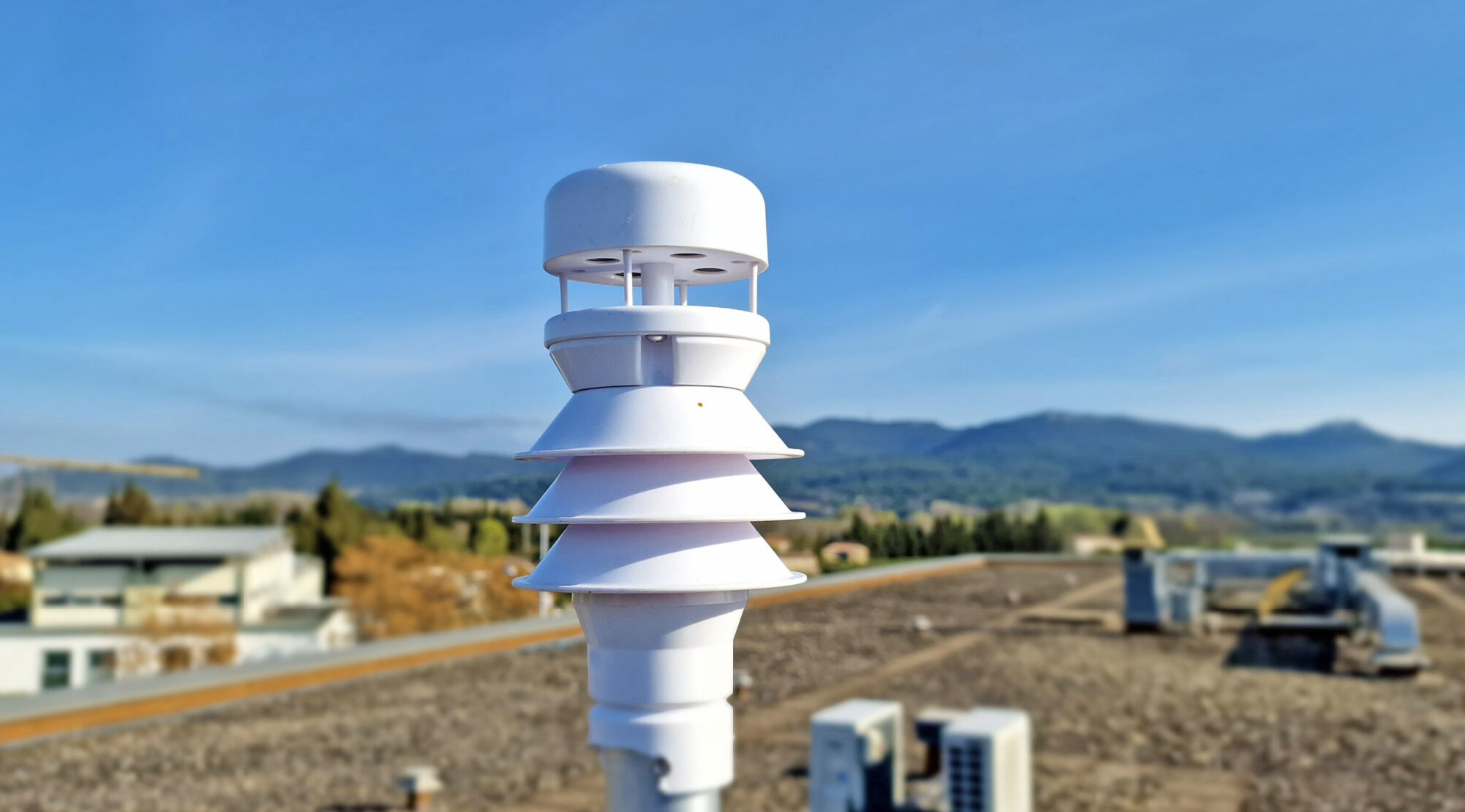
Pollen count measures the concentration of pollen grains per cubic meter of air, typically collected using automated particulate sensors with neural network algorithms for species identification. When pollen counts are high, allergy sufferers commonly experience sneezing, runny nose, nasal congestion, itchy eyes, and asthma exacerbation. The National Allergy Bureau categorizes counts as low, moderate, high, or very high to help residents plan outdoor activities accordingly.
Key Pollen Types and Significant Trends in Trenton
Trenton's pollen landscape is dominated by three primary allergen categories that affect residents throughout most of the year. Oak trees produce the most significant spring tree pollen, peaking in April and May when daytime temperatures consistently reach the 50s-60s°F range. Bermuda grass and Kentucky bluegrass dominate summer months with peak levels in June, while ragweed emerges as the primary fall allergen with September peaks that continue until the first frost in November.
- Oak Tree Pollen: Primary spring allergen peaking April through May when temperatures consistently reach 50s-60s°F in central New Jersey
- Bermuda and Kentucky Bluegrass: Dominant summer grass pollen types with peak concentrations occurring in June throughout the Delaware Valley
- Ragweed Pollen: Most significant fall allergen with September peak levels continuing until first frost, typically in November
- Climate-Extended Seasons: Warmer temperatures and elevated CO2 levels have led to longer pollen seasons, increased pollen production, and earlier spring onset
The urban heat island effect in Trenton extends the growing season and flowering period, while the Delaware River's proximity creates higher humidity levels that affect pollen dispersal patterns. Coastal winds from the Jersey Shore can carry additional pollen inland, and industrial pollution from auto traffic can exacerbate allergic responses even when pollen counts are moderate.
Seasonal Pollen Patterns in Trenton, New Jersey
Trenton experiences distinct pollen seasons with overlapping periods that challenge allergy sufferers from March through November.
- Spring (March to May): Dominated by tree pollen from oak, maple, birch, ash, elm, mulberry, and sycamore with overall peak in April
- Summer (May to August): Characterized by grass pollen from Bermuda grass, Kentucky bluegrass, Timothy grass, fescue, and orchard grass peaking in June
- Fall (August to November): Marked by weed pollen primarily from ragweed, lamb's quarter, and wormwood with peak levels in September
- Winter (December to February): Generally low pollen activity with minimal allergen exposure, though mild winters may trigger early tree pollen release
Accessing Daily Pollen Data in Trenton
The Pollen Count & Alerts App provides real-time pollen monitoring specifically for Trenton and surrounding areas, tracking tree, grass, weed, and mold spore concentrations throughout the day. Receive customized alerts when pollen levels rise so you can adjust outdoor activities and medication timing accordingly. Daily forecasts help you plan ahead for low-pollen windows to enjoy outdoor activities with minimal allergy symptoms.
Effective Allergy Management Strategies for Trenton Residents
Implementing these evidence-based strategies can significantly reduce allergy symptoms during high pollen seasons.
- Use the Pollen Count & Alerts App: Monitor real-time pollen levels and receive alerts to plan outdoor activities during low-pollen times in Trenton
- Improve Indoor Air Quality: Keep windows closed during peak pollen hours, use air conditioning with clean filters, and shower after outdoor activities
- Practice Personal Hygiene: Wash hair before bed to remove pollen, change clothes after being outdoors, and avoid line-drying laundry during high pollen days
- Install HEPA Air Purifiers: Use high-efficiency particulate air filters in bedrooms and common areas to remove pollen particles from indoor air
- Consult an Allergist: Visit The Asthma Center or local allergists for testing, personalized treatment plans, and immunotherapy options specific to regional allergens
Pollen Count & Alerts App Features for Enhanced Allergy Management
The Pollen Count & Alerts App offers comprehensive tools designed specifically to help Trenton residents manage seasonal allergies effectively.
- Real-Time Pollen Counts: Access the latest pollen data specific to Trenton and the Delaware Valley with automated sensor technology
- Customized Allergy Alerts: Receive personalized notifications when pollen levels for your specific allergens reach high or very high thresholds
- Accurate Multi-Day Forecasts: Plan ahead with detailed 5-day pollen forecasts for tree, grass, and weed pollen in central New Jersey
- Educational Allergen Content: Learn about oak, ragweed, Bermuda grass, and other local allergens with species-specific information and peak timing
- Intuitive User Interface: Navigate easily between current conditions, forecasts, and historical trends with a clean, user-friendly design


Learn More About Managing Your Allergies
- Understanding Allergy Pollen Counts: Your Comprehensive Guide – Discover how to interpret pollen count levels and develop effective strategies to minimize your exposure and manage allergy symptoms throughout the year.
- Why Are My Allergies So Bad Right Now? | Pollen Count & Alerts App Blog – Learn about the factors that can cause sudden increases in allergy severity, including climate change, pollution, and changes in your immune system.
- Do Allergies Get Worse as You Age? | Pollen Count & Alerts App Blog – Understand how your body's response to allergens can evolve over time and why you may develop new sensitivities or see existing allergies improve with age.
Stay updated with the latest tips and insights by visiting the Alert Pollen Blog.
Pollen count in nearby cities
FAQ
When is pollen season in Trenton, NJ?
Pollen season in Trenton, NJ spans from March through November, with three distinct phases. Tree pollen dominates from March to May, with oak, maple, and birch peaking in April. Grass pollen takes over from May through mid-August, peaking in June, while ragweed and other weed pollen cause fall allergies from August until the first frost in November.
What are the most common allergens in Trenton, NJ?
The most common allergens in Trenton include oak, maple, and birch tree pollen in spring (peaking in April), Bermuda grass and Kentucky bluegrass pollen in summer (peaking in June), and ragweed pollen in fall (peaking in September). Other significant allergens include ash, hickory, mulberry, timothy grass, and lamb's quarter, with oak and ragweed being the primary triggers during their respective seasons.
How can I protect myself from pollen in Trenton, NJ?
Monitor daily pollen forecasts using the Pollen Count & Alerts App to plan outdoor activities when levels are lower, typically after rainfall or on cooler days. Keep windows closed during peak pollen hours (usually morning and early evening), shower after spending time outdoors to remove pollen from your hair and skin, and consider wearing sunglasses to protect your eyes from airborne allergens when outside.
Final Thoughts
Living in Trenton, NJ means navigating three distinct pollen seasons throughout the year, from spring tree pollen to fall ragweed. Armed with knowledge about local allergen patterns and the right tools like the Pollen Count & Alerts App, you can take control of your allergy management and enjoy outdoor activities with greater confidence. Understanding when oak, grass, and ragweed peak in your area empowers you to plan ahead and minimize symptoms.
Download the Pollen Count & Alerts App today to receive real-time pollen data specific to Trenton and personalized alerts tailored to your sensitivities.
Take Control of Your Allergies Today
The Pollen Count & Alerts App provides real-time pollen counts, personalized alerts based on your specific allergen sensitivities, and comprehensive forecasts to help you plan your days with confidence. Whether you're dealing with spring tree pollen, summer grasses, or fall ragweed, get the localized information you need right at your fingertips. Download now and breathe easier this allergy season.