Peoria, Arizona, nestled in the Sonoran Desert northwest of Phoenix, experiences one of the longest and most intense allergy seasons in the United States. The arid climate, year-round warm temperatures, and over 10,000 desert plant species create a nearly continuous 12-month pollen season with distinct peaks in spring and fall. This guide provides comprehensive information about pollen types, seasonal patterns, monitoring resources, and effective management strategies to help Peoria residents navigate their allergy challenges.
Understanding Pollen Count in Peoria, AZ
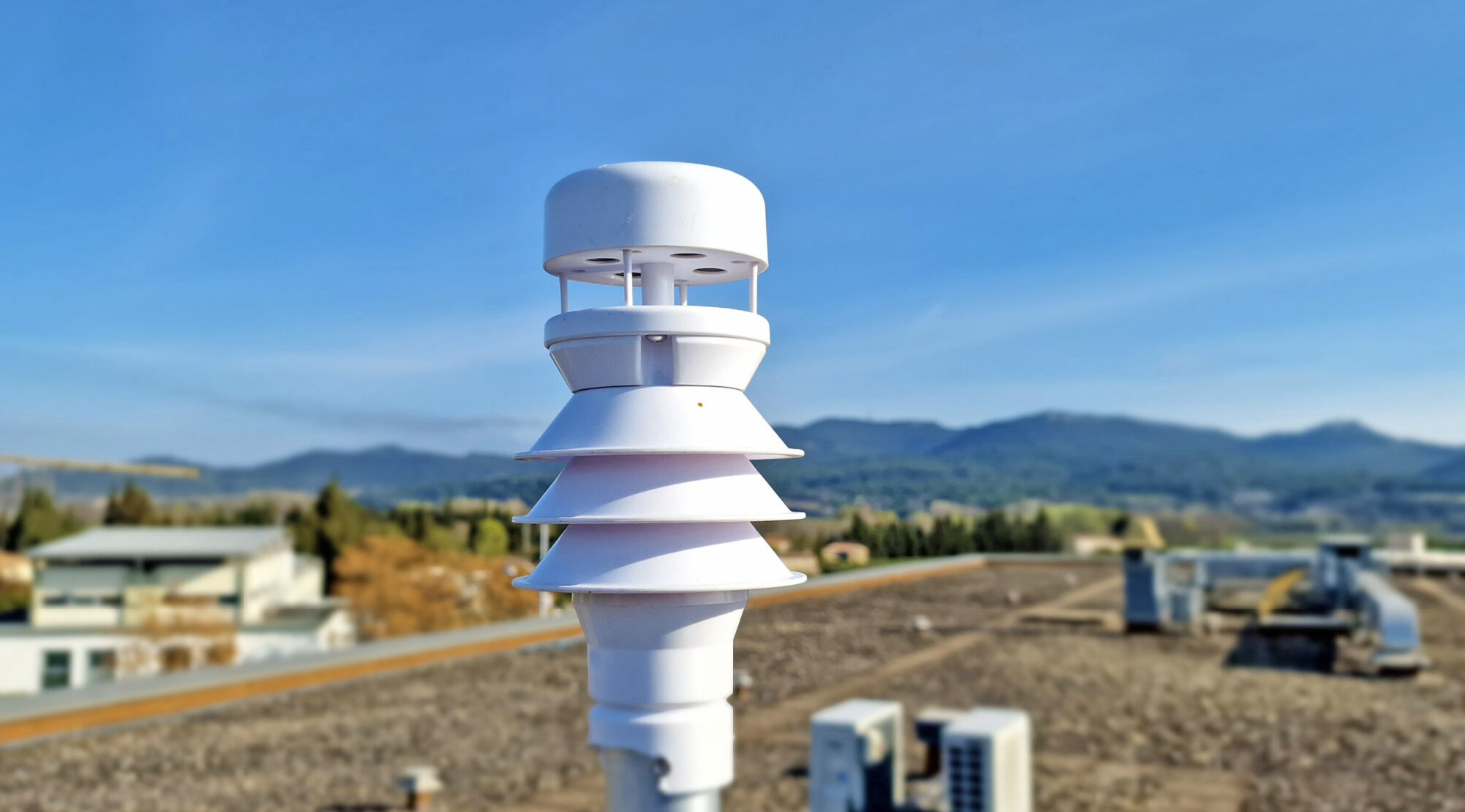
Pollen count measures the concentration of pollen grains per cubic meter of air, collected using automated particulate sensors that identify individual species through neural network algorithms. When pollen levels are high, allergy sufferers commonly experience sneezing, nasal congestion, itchy and watery eyes, sore throat, sinus pressure, and in severe cases, allergic asthma. Peoria's low rainfall and windy conditions keep pollen airborne longer, intensifying exposure and symptoms.
Key Pollen Types and Recent Trends in Peoria
Peoria's Sonoran Desert location exposes residents to unique allergenic plants not found in other U.S. regions. Arizona's 2025 allergy season has been described as endless, with warmer temperatures and fewer cold snaps prolonging pollen release throughout the year. The most significant allergens include highly sensitizing tree pollen, aggressive grass varieties, and prolific weed species.
- Olive & Mesquite Tree Pollen: Among the most potent allergenic plants in Arizona, peaking February through May with particularly high sensitization rates
- Bermuda Grass Pollen: The dominant grass allergen in Peoria, producing massive amounts of pollen from May through July with peak levels in June
- Ragweed Pollen: Top fall allergen from September to November, with a single plant capable of producing up to 1 billion pollen grains per season
- Desert Broom & Russian Thistle: Unique desert weeds thriving in Peoria's arid climate, contributing to significant fall allergy peaks in September and October
The extended 2025 pollen season reflects broader climate trends affecting Arizona, with the growing season now stretching from late January through December. Peoria's urbanization has compounded the problem, as landscaping frequently includes high-pollen ornamental plants like olive trees and Bermuda grass lawns, while wind disperses pollen for miles from its source.
Seasonal Pollen Patterns in Peoria, AZ
Peoria experiences four distinct pollen phases throughout the year, though mild winters prevent a true allergen-free period.
- Spring (February to May): Peak tree pollen season dominated by juniper, olive, mesquite, mulberry, and palo verde, with April and May representing the highest overall pollen levels of the year
- Summer (June to August): Peak grass pollen season led by Bermuda grass from May through July, overlapping with late tree pollen and increased mold spore activity
- Fall (September to November): Peak weed pollen season featuring ragweed, Russian thistle, and desert broom, with September marking the second major allergy peak month of the year
- Winter (December to January): Lowest pollen levels overall, though year-round allergens remain present due to mild climate, with the new season often beginning in late January
Access Daily Pollen Data for Peoria, AZ
The Pollen Count & Alerts App provides Peoria residents with real-time pollen monitoring and personalized alerts to help manage their allergies effectively. Track daily concentrations of tree, grass, weed pollen, and mold spores specific to your location, allowing you to plan outdoor activities during low-pollen times. Stay informed with accurate, up-to-date data collected from automated sensors throughout the Phoenix metropolitan area.
Effective Allergy Management Strategies for Peoria Residents
Implementing these evidence-based strategies can significantly reduce your exposure to pollen and alleviate allergy symptoms.
- Use the Pollen Count & Alerts App: Monitor real-time pollen levels and receive personalized alerts to plan outdoor activities during low-pollen times and minimize exposure
- Maintain Indoor Air Quality: Keep windows closed during peak pollen hours, use air conditioning with clean filters, and shower before bed to remove pollen from hair and skin
- Invest in HEPA Air Purifiers: Place high-efficiency particulate air filters in bedrooms and main living areas to remove airborne pollen particles from indoor spaces
- Practice Personal Hygiene: Wash hands and face frequently, change clothes after outdoor activities, and avoid hanging laundry outside where pollen can accumulate
- Consult an Allergist: Work with a board-certified allergist for personalized treatment plans, including antihistamines, nasal corticosteroids, or immunotherapy for long-term relief
Pollen Count & Alerts App Features to Enhance Your Allergy Management
The Pollen Count & Alerts App offers comprehensive tools designed specifically to help Peoria residents navigate their year-round allergy challenges.
- Real-Time Pollen Counts: Access the latest pollen data specific to Peoria and surrounding areas, updated daily from automated particulate sensors
- Customized Allergy Alerts: Receive personalized notifications when pollen levels for your specific allergens reach thresholds that may trigger symptoms
- Accurate Multi-Day Forecasts: Plan ahead with detailed forecasts for tree, grass, and weed pollen levels over the coming days
- Educational Content: Learn about local allergens including olive, mesquite, Bermuda grass, and ragweed, plus tips for managing desert-specific allergy challenges
- Intuitive User Interface: Navigate easily through pollen data, historical trends, and personalized insights designed for quick daily reference


Explore More on Managing Seasonal Allergies
- Understanding Allergy Pollen Counts: Your Comprehensive Guide – Learn how to interpret pollen count levels and develop effective strategies to minimize your exposure and manage symptoms throughout the year.
- Why Are My Allergies So Bad Right Now? | Pollen Count & Alerts App Blog – Discover the common reasons why your allergies may suddenly intensify, from environmental changes to increased sensitization over time.
- Do Allergies Get Worse as You Age? | Pollen Count & Alerts App Blog – Understand how your body's allergic responses can evolve as you age and what you can do to adapt your management approach.
Stay updated with the latest tips and insights by visiting the Alert Pollen Blog.
Pollen count in nearby cities
FAQ
When is pollen season in Peoria, AZ?
Peoria, AZ experiences an exceptionally long pollen season that effectively runs year-round, from late January through December, with distinct peak periods. The highest overall pollen levels occur in April-May when tree pollen from olive, mesquite, palo verde, and juniper dominates, followed by grass pollen (especially Bermuda grass) in May-June. A second major peak arrives in September-October when weed pollen from ragweed, Russian thistle, and desert broom fills the air, making Peoria one of the most challenging cities in the United States for allergy sufferers.
What are the most common allergens in Peoria, AZ?
The most common allergens in Peoria include olive trees (one of the most potent allergens in Arizona), mesquite, palo verde, and juniper for tree pollen, peaking February through May. Bermuda grass is the dominant grass allergen, producing high pollen counts from May through July. For weed pollen, ragweed (which can produce up to 1 billion pollen grains per plant), Russian thistle (tumbleweed), and desert broom are the primary triggers, with peak season from September through November. The Sonoran Desert's unique biodiversity and year-round warm temperatures allow these plants to bloom nearly continuously, creating persistent allergy challenges for residents.
How can the Pollen Count & Alerts App help me manage allergies in Peoria's desert climate?
The Pollen Count & Alerts App provides real-time pollen monitoring specific to Peoria, AZ, helping you plan outdoor activities during lower pollen periods and prepare when levels spike. With personalized alerts based on your specific allergen sensitivities, you can take preventive measures like closing windows, limiting outdoor time, or taking medications before symptoms start. The app's comprehensive forecasts account for Peoria's unique desert allergens and extended pollen season, giving you the tools to stay ahead of pollen exposure year-round.
Final Thoughts
Living in Peoria, AZ means facing one of the longest and most intense pollen seasons in the United States, but understanding your local allergens empowers you to take control of your health. With knowledge of peak pollen periods and the specific trees, grasses, and weeds that trigger your symptoms, you can make informed decisions about outdoor activities and preventive care. The Pollen Count & Alerts App provides the real-time data and personalized alerts you need to navigate Peoria's year-round pollen challenges effectively.
Download the Pollen Count & Alerts App today to receive accurate, localized pollen information tailored to Peoria's unique desert environment. Take the first step toward breathing easier and enjoying the Arizona outdoors with confidence.
Take Control of Your Allergies Today
The Pollen Count & Alerts App delivers real-time pollen counts, personalized alerts for your specific allergens, and comprehensive forecasts designed for Peoria's challenging desert climate. Stop letting pollen dictate your day and start managing your allergies proactively with the most accurate local data available. Download the app now and experience the difference that precise, timely information can make in your daily life.