Glendale, Arizona sits in the Sonoran Desert within Maricopa County, experiencing a warm, dry climate that creates ideal conditions for pollen dispersal. This city ranks among the worst in America for seasonal allergies, with Forbes Health placing it third nationally due to severe tree, grass, and ragweed pollen levels. This article covers Glendale's pollen types, seasonal patterns, recent trends, and effective management strategies to help you breathe easier year-round.
What Pollen Count Means in Glendale
Pollen count measures the concentration of pollen grains per cubic meter of air, indicating how much allergen is present in your environment. When counts exceed moderate levels, sensitive individuals may experience symptoms including nasal congestion, sneezing, itchy watery eyes, scratchy throat, sinus pressure, and even skin reactions. Understanding daily pollen levels helps you plan outdoor activities and take preventive measures before symptoms strike.
Key Pollen Types and Rising Trends in Glendale
Glendale faces exceptionally high pollen concentrations from multiple sources throughout the year. Maricopa County records some of the highest ragweed pollen levels in the entire United States, while non-native ornamental trees planted extensively in residential areas contribute massive amounts of airborne allergens. Recent monitoring shows the 2025 pollen season began in January, several weeks earlier than historical norms, signaling longer and more intense allergy seasons ahead.
- Ragweed Pollen: Maricopa County registers among the highest ragweed concentrations in the U.S., with peak levels from August through October
- Mulberry Trees: Extremely high pollen producer banned in other southwestern cities due to severity, still widespread in Glendale's residential neighborhoods
- Bermuda Grass: Most significant grass allergen in the region, ubiquitous in lawns and parks, producing pollen throughout summer months
- Olive and Ash Trees: Common urban landscape trees that produce large quantities of cross-reactive airborne pollen during spring
Climate change is intensifying these patterns, causing plants to produce not only more pollen but also more allergenic pollen compounds. Warmer urban temperatures from the heat island effect stimulate increased pollen production and extend release periods, while reduced winter cold snaps allow nearly continuous pollen generation across all seasons.
Seasonal Pollen Patterns in Glendale
Glendale experiences overlapping pollen seasons that create year-round exposure, unlike the distinct seasonal patterns found in other regions.
- Winter (December to February): Juniper and cedar trees remain active while overall pollen levels reach their annual low, though never truly disappearing in Arizona's warm climate
- Spring (March to May): Peak tree pollen season with mesquite, mulberry, ash, olive, and oak producing heavy concentrations, making April and May the worst allergy months overall
- Summer (June to August): Bermuda grass dominates as the primary allergen source while mold spores increase in irrigated areas and monsoon moisture
- Fall (August to November): Ragweed reaches extremely high levels while Bermuda grass continues and desert broom releases wind-borne plumes across the valley
Access Real-Time Pollen Data for Glendale
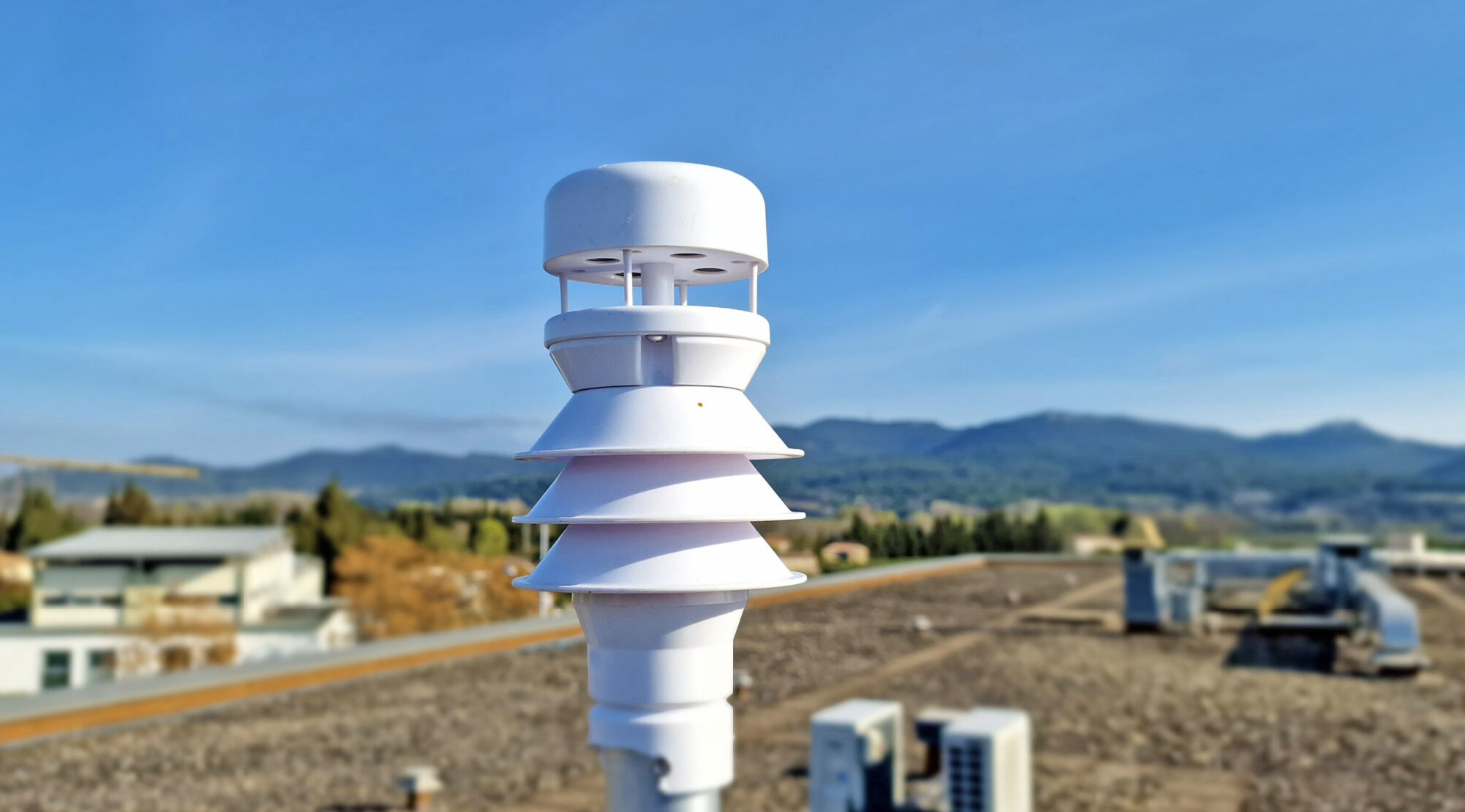
The Pollen Count & Alerts App provides daily pollen monitoring specifically for Glendale's ZIP codes, tracking real-time levels of tree, grass, weed, and mold spore concentrations. With multiple monitoring stations across Glendale contributing data, you receive accurate, location-specific information to plan your day. Get personalized alerts when pollen counts spike so you can take preventive action before symptoms begin.
Effective Allergy Management Strategies for Glendale Residents
Managing nearly year-round pollen exposure requires consistent preventive measures and smart planning.
- Use the Pollen Count & Alerts App: Monitor real-time pollen levels and receive alerts to plan outdoor activities during low-pollen times, typically after rain or in early morning hours
- Improve Indoor Air Quality: Keep windows closed during high pollen days, run air conditioning with clean filters, and create a pollen-free sanctuary in your bedroom
- Install HEPA Air Purifiers: Use high-efficiency particulate air filters in bedrooms and main living areas to remove airborne pollen particles and reduce indoor allergen concentrations
- Practice Personal Hygiene: Shower before bed to remove pollen from hair and skin, change clothes after outdoor activities, and wash bedding weekly in hot water
- Consult an Allergist: Seek professional evaluation for allergy testing, prescription medications, or immunotherapy if over-the-counter remedies prove insufficient for Arizona's intense allergen load
Enhance Your Allergy Management with Pollen Count & Alerts App
The Pollen Count & Alerts App offers comprehensive features designed specifically for managing allergies in high-pollen environments like Glendale.
- Real-Time Pollen Counts: Access the latest pollen data specific to your Glendale location from multiple monitoring stations across the city
- Customized Alerts: Receive personalized notifications when pollen levels for your specific allergens reach thresholds that trigger your symptoms
- Accurate Forecasts: View multi-day pollen predictions to plan outdoor activities, exercise routines, and weekend plans around anticipated allergen levels
- Educational Content: Learn about local allergens including ragweed, mulberry, Bermuda grass, and other Glendale-specific pollen sources affecting your health
- Intuitive Design: Navigate easily through current conditions, forecasts, and historical trends with a user-friendly interface designed for quick daily reference


Learn More About Managing Your Allergies
- Understanding Allergy Pollen Counts: Your Comprehensive Guide – Discover how to interpret pollen count levels and what they mean for your daily allergy management plan.
- Why Are My Allergies So Bad Right Now? | Pollen Count & Alerts App Blog – Find out the reasons why your allergies might suddenly intensify, even if you've never had problems before.
- Do Allergies Get Worse as You Age? | Pollen Count & Alerts App Blog – Understand how your body's allergic responses can shift throughout different life stages and what to expect.
Get more helpful advice and seasonal updates by checking out the Alert Pollen Blog.
Pollen count in nearby cities
FAQ
When is pollen season in Glendale, AZ?
Pollen season in Glendale, AZ is nearly year-round due to the warm desert climate. Tree pollen peaks from March to May, with mulberry, mesquite, olive, and ash being the main culprits. Grass pollen, especially Bermuda grass, dominates from June to August, while ragweed and other weeds create high pollen levels from August through October, with some activity continuing into winter.
What are the most common allergens in Glendale, AZ?
The most problematic allergens in Glendale include mulberry trees (banned in some cities due to severity), olive trees, ash, and mesquite for tree pollen, with peaks occurring from March to May. Bermuda grass is the dominant grass allergen from late spring through summer. Ragweed is a major concern in fall, with Maricopa County recording some of the highest ragweed pollen levels in the entire United States, along with desert broom, Russian thistle, and other native weeds.
How can I protect myself from high pollen days in Glendale?
Monitor daily pollen counts using the Pollen Count & Alerts App to plan outdoor activities on lower-pollen days, and try to stay indoors during peak pollen hours (typically morning and early evening). Keep windows closed during high pollen periods, shower after outdoor activities to remove pollen from hair and skin, and consider using air purifiers indoors to reduce allergen exposure.
Final Thoughts
Living in Glendale, AZ means dealing with one of the most challenging allergy environments in the United States, with nearly continuous pollen exposure throughout the year. However, by understanding which allergens affect you and when they peak, you can take proactive steps to manage your symptoms. The Pollen Count & Alerts App provides the real-time information you need to stay ahead of high pollen days.
Download the Pollen Count & Alerts App today to receive personalized pollen alerts and forecasts tailored to Glendale's unique allergen profile. Take control of your allergies and enjoy more comfortable days year-round.
Take Control of Your Allergies Today
The Pollen Count & Alerts App delivers real-time pollen counts, personalized alerts for your specific allergens, and comprehensive forecasts for Glendale, AZ. Whether you're dealing with spring tree pollen, summer grasses, or fall ragweed, our app helps you plan your day and minimize allergy symptoms. Download now and breathe easier.