Deer Valley, located in northern Phoenix, Arizona, sits in the heart of the Sonoran Desert where year-round warm temperatures create nearly continuous pollen exposure. The area's unique combination of desert climate, extensive ornamental landscaping with allergenic trees like mulberry and olive, and lack of significant rainfall allows pollen to remain airborne for extended periods. This guide covers the main allergen types, seasonal patterns, recent pollen trends, and practical strategies to help residents and visitors manage allergy symptoms throughout the year.
Understanding Pollen Count in Deer Valley
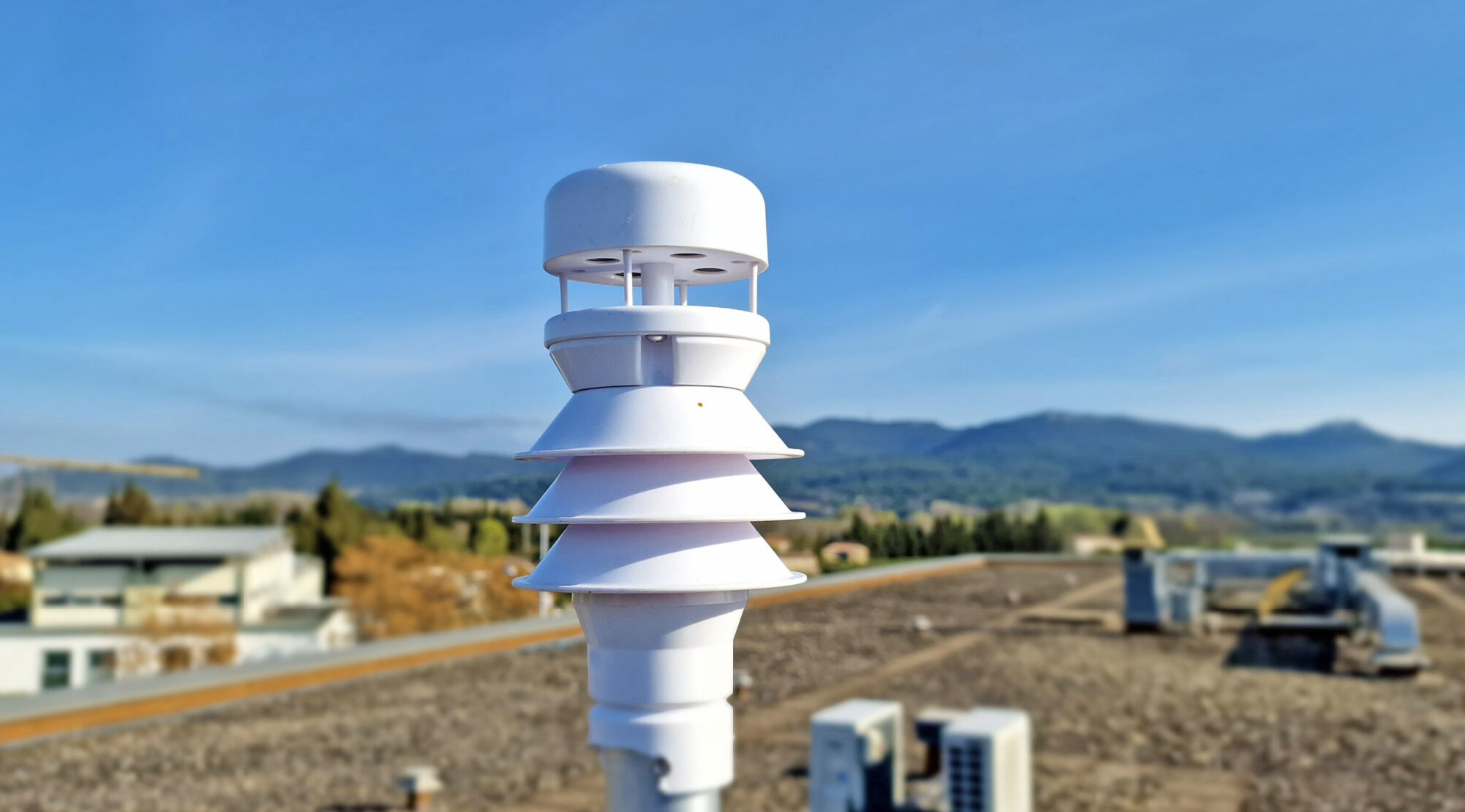
Pollen count measures the concentration of pollen grains per cubic meter of air, with levels above 90 grains considered high for tree pollen and above 20 grains high for weed pollen. When counts are elevated, allergy sufferers typically experience symptoms including nasal congestion, sneezing, itchy and watery eyes, headaches, and fatigue. Maricopa County operates 24-hour automated particulate sensors throughout Deer Valley that track tree, grass, weed, and mold spore levels in real time.
Key Pollen Types and Recent Trends in Deer Valley
Deer Valley experiences three distinct allergen peaks throughout the year, with April, May, and September consistently showing the highest pollen counts. Tree pollen dominates spring with mulberry, olive, and ash being major contributors, while Bermuda grass takes over summer months, and ragweed leads the fall allergy surge. Recent studies have ranked Phoenix among the worst cities in America for allergies, with March 2026 documenting exceptionally high tree pollen levels.
- Mulberry and Olive Trees: Peak March through April as major spring allergens, with olive producing highly allergenic pollen that travels for miles in dry desert air
- Bermuda Grass: Dominates May through July as the most significant grass allergen, supported by year-round irrigation of lawns and landscaping
- Ragweed: Peaks August through October with September being particularly severe, causing widespread fall allergy symptoms
- Arizona Cypress and Juniper: Peak December through February, initiating the winter allergy season from November through March
Climate change has extended growing seasons in the Phoenix area, increasing overall pollen production and lengthening exposure periods. The region's dry desert air and lack of rainfall compounds the problem by keeping lightweight pollen airborne longer, while urban heat island effects from extensive development further extend plant pollination cycles beyond natural patterns.
Seasonal Pollen Patterns in Deer Valley
Deer Valley's mild winters prevent plant dormancy, creating a year-round allergy environment with distinct seasonal peaks.
- Winter (January to February): Juniper and Arizona cypress dominate with peak pollen from December through February, initiating early tree pollen season
- Spring (March to May): Peak allergy season with April and May being worst months, dominated by mulberry, olive, ash, mesquite, and palo verde tree pollen
- Summer (May to August): Bermuda grass peaks from May through July as the dominant allergen, with mesquite tree pollen continuing into early summer
- Fall (August to November): September is particularly severe with ragweed, sagebrush, Russian thistle, and continuing Bermuda grass pollen until first frost in late October or November
Access Daily Pollen Data for Deer Valley
The Pollen Count & Alerts App provides location-specific pollen monitoring for Deer Valley residents, delivering real-time tracking of tree, grass, weed, and mold spore levels. By accessing daily pollen forecasts and customized alerts, you can plan outdoor activities during low-pollen periods and take preventive measures when counts spike. The app integrates data from Maricopa County's automated monitoring network to deliver accurate, hyperlocal pollen information.
Effective Allergy Management Strategies for Deer Valley
These practical tips can significantly reduce your exposure to pollen and minimize allergy symptoms year-round.
- Use the Pollen Count & Alerts App: Monitor real-time pollen levels and receive alerts to plan outdoor activities during low-pollen times
- Improve Indoor Air Quality: Keep windows closed during high pollen days, use air conditioning with quality filters, and run HEPA air purifiers continuously
- Practice Personal Hygiene: Shower and wash hair before bed to remove pollen, change clothes after outdoor activities, and rinse nasal passages with saline solution
- Install HEPA Air Purifiers: Use medical-grade HEPA filtration in bedrooms and living areas to capture airborne pollen particles and reduce indoor allergen levels
- Consult a Local Allergist: Seek professional allergy testing and treatment options including immunotherapy, especially given Deer Valley's year-round pollen challenges
App Features to Enhance Your Allergy Management
The Pollen Count & Alerts App offers comprehensive tools designed specifically to help Deer Valley residents navigate year-round allergy challenges.
- Real-Time Pollen Counts: Access the latest pollen data specific to Deer Valley with hourly updates from local monitoring stations
- Customized Alerts: Receive personalized notifications when pollen levels spike for allergens that specifically affect you
- Accurate Forecasts: View detailed 5-day pollen forecasts to plan outdoor activities and adjust medication schedules proactively
- Educational Content: Learn about local allergens including mulberry, olive, ragweed, Bermuda grass, and unique desert factors like Valley Fever
- Intuitive Design: Navigate easily through pollen data, historical trends, and allergy management resources with a user-friendly interface


Learn More About Managing Your Allergies
- Understanding Allergy Pollen Counts: Your Comprehensive Guide – Discover how to interpret pollen count levels and develop effective strategies to minimize your exposure throughout the year.
- Why Are My Allergies So Bad Right Now? | Pollen Count & Alerts App Blog – Understand the factors that can cause sudden increases in allergy severity, from weather changes to new environmental triggers.
- Do Allergies Get Worse as You Age? | Pollen Count & Alerts App Blog – Learn why your allergic reactions may intensify or diminish as you age and what you can do to adapt your management approach.
Stay informed with expert advice and seasonal updates by visiting the Alert Pollen Blog.
Pollen count in nearby cities
FAQ
When is pollen season in Deer Valley?
Deer Valley experiences nearly year-round pollen due to Phoenix's mild desert climate. The three main peaks occur during spring (April-May) with tree pollen from mulberry, olive, and ash; summer (June-July) with Bermuda grass; and fall (September-October) with ragweed and other weeds. Even winter brings juniper and cedar pollen from November through March.
What are the most common allergens in Deer Valley?
The primary allergens include mulberry, olive, and ash trees (February-April), Bermuda grass (May-July), and ragweed (August-October). Mesquite and juniper trees also contribute significantly to local pollen counts. These species were commonly planted in landscaping throughout the area, making them particularly problematic for residents despite being non-native to the Sonoran Desert.
How can I protect myself from pollen in Deer Valley?
Check daily pollen counts using the Pollen Count & Alerts App before planning outdoor activities, especially during peak months of April, May, and September. Keep windows closed on high-pollen days, shower after being outdoors to remove pollen from hair and skin, and avoid yard work during morning hours when pollen release is highest. The dry desert air means pollen stays airborne longer, so indoor air filtration can significantly reduce exposure.
Final Thoughts
Living in Deer Valley means facing unique allergy challenges from desert dust storms, Valley Fever risks, and nearly continuous pollen from ornamental landscaping plants. However, armed with knowledge about local allergen patterns and tools like the Pollen Count & Alerts App, you can take control of your symptoms and enjoy outdoor activities with confidence. Understanding when mulberry, olive, Bermuda grass, and ragweed peak allows you to plan ahead and minimize exposure.
Download the Pollen Count & Alerts App today to receive personalized alerts for Deer Valley's specific pollen conditions and take the guesswork out of managing your allergies.
Take Control of Your Allergies Today
The Pollen Count & Alerts App delivers real-time pollen counts specific to Deer Valley, personalized notifications when your allergen triggers are high, and comprehensive forecasts covering trees, grasses, weeds, and mold spores. Whether you're dealing with spring olive pollen, summer Bermuda grass, or fall ragweed, stay one step ahead of your symptoms with accurate, location-based data at your fingertips.