Paisley lies in western Scotland, where Atlantic weather brings frequent rain and changeable conditions. Grass and birch are its main seasonal pollen concerns, with nearby woodland and open grassland providing potential sources. The season generally arrives later and lasts less time than in southern England. This guide explains the main pollen types, seasonal patterns, monitoring limitations and practical ways to manage exposure.
Understanding Pollen Counts in Paisley
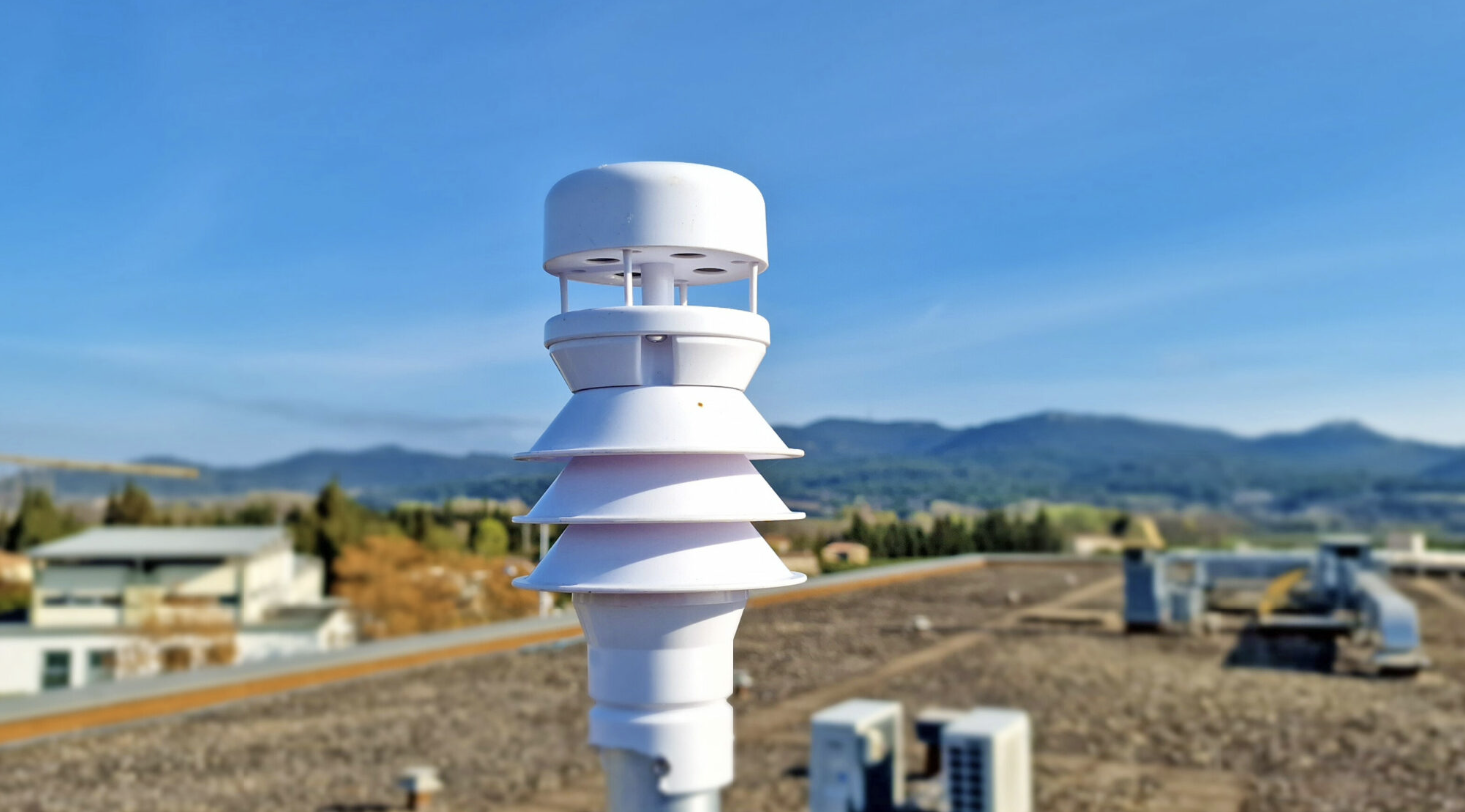
A pollen count describes the concentration of airborne pollen, measured in grains per cubic metre using air-sampling equipment and microscopic identification. Scottish monitoring provides useful seasonal context, but a regional forecast is different from a physical measurement within Paisley. High pollen levels can bring sneezing, a runny or blocked nose, and itchy, watery eyes.
Paisley’s Main Pollen Types and Regional Patterns
Scottish seasonal evidence places the main grass peak between mid-June and mid-July, while birch is most prominent from April to mid-May. Worcester’s historical Scottish averages place the main grass season between 1 June and 12 August and the main birch season between 13 April and 16 May. These are regional historical patterns, not recent measurements from Paisley.
- Grass pollen: The main Scottish season runs from June to August, with the strongest concentrations typically between mid-June and mid-July.
- Birch pollen: Silver birch and downy birch are relevant sources, with the main season in April and May and a typical peak from April to mid-May.
- Other tree pollen: Alder is most prominent around March and early April, ash around April, and oak around May, sometimes extending into early June.
- Weed pollen: Nettle-family pollen is mainly present from June to August; mugwort typically peaks in July and August, while plantain and docks contribute through summer.
Gleniffer Braes contains woodland and open countryside close to Paisley, while Windyhill includes birch and oak woodland. Their individual contributions to airborne pollen have not been quantified. Available evidence does not establish a record Paisley pollen year in 2025 or 2026, or a reliable local percentage increase.
Paisley’s Pollen Seasons Through the Year
Use this seasonal outline as a guide, allowing for shifts caused by temperature, rainfall and wind.
- Spring (March to May): Tree pollen dominates, with alder early in the season, followed by birch, ash and oak; birch is especially prominent during April and May.
- Summer (June to August): Grass takes centre stage, usually peaking from mid-June to mid-July, alongside nettle-family pollen and other summer weeds.
- Autumn (September to November): Grass and some weed pollen may linger into September before concentrations generally decline as flowering ends.
- Winter (December to February): Pollen is generally limited, although hazel can begin releasing pollen in January and alder may start in February.
Check Daily Pollen Information for Paisley
Use the Pollen Count & Alerts App for daily monitoring and real-time tracking of tree pollen, grass pollen, weed pollen and mould spores where data are available. Treat regional forecasts as guidance rather than measurements from a Paisley sampling station. An unavailable reading does not mean the pollen count is zero.
Practical Ways to Manage Seasonal Allergies
Combine pollen information with everyday habits and professional advice to help reduce exposure and manage discomfort.
- Use the Pollen Count & Alerts App: Check available pollen information and alerts before planning outdoor activities, especially during warm, dry spells.
- Improve indoor air quality: Keep windows closed during high-pollen periods and use a damp cloth to remove settled dust and pollen.
- Maintain personal hygiene: Shower and change clothes after spending time outdoors to reduce pollen carried indoors on skin, hair and clothing.
- Consider HEPA purifiers: Use a suitably sized HEPA air purifier to help capture airborne particles indoors, and maintain its filters as instructed.
- Consult an allergist: Seek advice about identifying your triggers and choosing appropriate treatment, particularly if breathing problems accompany seasonal discomfort.
App Features to Support Your Pollen Planning
The Pollen Count & Alerts App brings monitoring, alerts and seasonal information together to support everyday planning.
- Real-time counts: Check the latest available pollen information for your selected location, with coverage dependent on the underlying data sources.
- Customised alerts: Use alerts tailored to your pollen interests to help prepare for changing conditions.
- Accurate forecast planning: Consult available forecasts to plan ahead, remembering that local weather and regional coverage affect accuracy.
- Educational content: Learn about pollen sources, seasonal patterns and practical ways to reduce exposure.
- Intuitive design: Find pollen information and planning tools through a clear, easy-to-navigate interface.


Explore More on Managing Seasonal Allergies
- Understanding Allergy Pollen Counts: Your Comprehensive Guide – Learn how to interpret pollen counts and use forecasts alongside practical strategies for managing seasonal allergies.
- Why Are My Allergies So Bad Right Now? | Pollen Count & Alerts App Blog – Discover how changing weather, different pollen sources and everyday exposure can make allergies suddenly feel worse.
- Do Allergies Get Worse as You Age? | Pollen Count & Alerts App Blog – Explore how allergies can develop or change with age and when to seek advice about a changing pattern of symptoms.
Stay updated with practical tips and seasonal insights by visiting the Alert Pollen Blog.
Pollen count in nearby cities
FAQ
When is pollen season in Paisley?
Paisley’s pollen season generally begins with hazel and alder in late winter and early spring, followed by birch mainly in April–May. Grass pollen is most prominent in June–July, within a broader Scottish season extending into August. Nettle, plantain, docks, sorrels and mugwort contribute during late spring and summer, with some pollen continuing into September. These timings reflect Scottish seasonal evidence rather than continuous measurements within Paisley.
Which pollen allergens are most common in Paisley?
Grass and birch are Paisley’s main pollen concerns: relevant grasses include perennial ryegrass, timothy and cock’s-foot, with the main grass peak from mid-June to mid-July. Silver birch and downy birch typically peak in April–mid-May, while common alder peaks around March–early April and common hazel generally peaks in February–March. Common ash is most prominent in April, and sessile oak and pedunculate oak generally peak in May. Summer sources include common nettle, particularly in late June–July with another possible August peak, and common mugwort in July–August; these periods are regional guidance, not species-specific Paisley measurements.
How can I plan outdoor activities around pollen in Paisley?
Check the available regional forecast before visiting Gleniffer Braes or spending time near woodland and grassland, especially during warm, dry spells. Choose routes away from freshly cut grass, wear wraparound sunglasses and change clothes after outdoor activities to reduce pollen exposure. Use the Pollen Count & Alerts App to support your planning, remembering that regional forecasts do not represent a physical measurement in Paisley and unavailable data do not mean zero pollen.
Final Thoughts
Paisley’s woodland, grassland and changeable Atlantic weather can make pollen exposure difficult to predict. Understanding the Scottish seasonal calendar and checking available forecasts through the Pollen Count & Alerts App can help you plan outdoor activities with greater confidence.
Download the Pollen Count & Alerts App to follow available pollen information and make informed plans throughout the season.
Sources
- University of Worcester: Scottish Pollen Averages
- Renfrewshire Council: Enjoying Nature in Renfrewshire
- NHS inform: Allergies
Take Charge of Your Pollen Planning
Explore real-time pollen counts where available, personalized alerts and comprehensive forecasts with the Pollen Count & Alerts App. For Paisley, use the available regional information as a planning guide, keeping the distinction between forecasts and locally measured counts in mind.