Glasgow, situated on the banks of the River Clyde in western Scotland, experiences a mild oceanic climate with frequent rainfall—averaging 170 rainy days annually. Despite Scotland's generally lower pollen counts compared to England, Glasgow presents unique challenges for allergy sufferers due to its above-average tree density of 112 trees per hectare and status as one of the UK's most polluted cities, where pollen particles linger longer by sticking to pollution. This guide covers Glasgow's pollen types, seasonal patterns, recent trends, and effective management strategies to help you navigate allergy season.
Understanding Pollen Count in Glasgow
Pollen count measures the concentration of pollen grains per cubic meter of air, helping predict allergy severity. When counts are high, individuals sensitive to tree, grass, or weed pollen may experience symptoms including sneezing, runny nose, itchy eyes, and congestion. In Glasgow, the interaction between pollen and urban pollution can intensify these symptoms significantly.
Key Pollen Types and Recent Trends in Glasgow
Glasgow's pollen landscape is dominated by three main categories, with tree pollen being particularly significant due to the city's dense urban forestry. Over one-third of Scotland's population suffers from allergic disorders, a rate higher than England, making pollen monitoring essential for residents.
- Tree Pollen: Includes birch, alder, hawthorn, oak, and ash, peaking from April to May with high allergenic risk during early April to mid-May
- Grass Pollen: Peaks mid-June to mid-July with very high risk possible early June through mid-July, though Scotland's season is shorter and later than England's
- Weed Pollen: Features nettle, dock, plantain, and mugwort from late April through September, with nettle peaking June to July
- Pollution-Enhanced Pollen: Glasgow's high pollution levels cause pollen to stick to particles and linger longer, significantly exacerbating hay fever symptoms
Climate change is causing alarming shifts in Glasgow's pollen patterns, with birch and alder pollen seasons showing increasing severity trends over the next two decades. Tree pollen seasons now begin earlier, with some types triggering hay fever as early as January-February, while pollen potency is expected to increase through the 2020s.
Seasonal Pollen Patterns in Glasgow
Glasgow's pollen season varies significantly throughout the year, with distinct allergen profiles for each period.
- Winter (December to February): Hazel pollen begins mid-January with peak in February, while alder starts early January with low to moderate risk
- Spring (March to May): Dominated by tree pollen from birch, oak, ash, plane, and pine, with high allergenic risk from early April to mid-May
- Summer (June to August): Grass pollen peaks mid-June to mid-July with very high risk, while nettle and dock weed pollens also reach maximum levels
- Autumn (September to November): Weed pollen season concludes in September, with ragweed extending into October and unpredictable wind patterns potentially carrying residual pollen
Access Daily Pollen Data for Glasgow
The Pollen Count & Alerts App provides real-time pollen monitoring specifically for Glasgow, tracking tree, grass, weed, and mold spore levels with hourly updates. Stay informed about current conditions and receive personalized alerts when pollen counts spike in your area. Plan your outdoor activities during low-pollen times and take preventive measures before symptoms start.
Effective Allergy Management Strategies for Glasgow Residents
Implement these evidence-based strategies to minimize pollen exposure and manage hay fever symptoms effectively.
- Use the Pollen Count & Alerts App: Monitor real-time pollen levels and receive alerts to plan outdoor activities during low-pollen times
- Improve Indoor Air Quality: Keep windows closed during high pollen days, especially during peak hours between 5am and 10am
- Practice Personal Hygiene: Shower and wash hair before bed to remove pollen particles, and change clothes after spending time outdoors
- Install HEPA Air Purifiers: Use high-efficiency particulate air filters in bedrooms and living spaces to capture pollen and pollution particles
- Consult an Allergist: Seek professional diagnosis and treatment options, including antihistamines, nasal sprays, or immunotherapy for severe cases
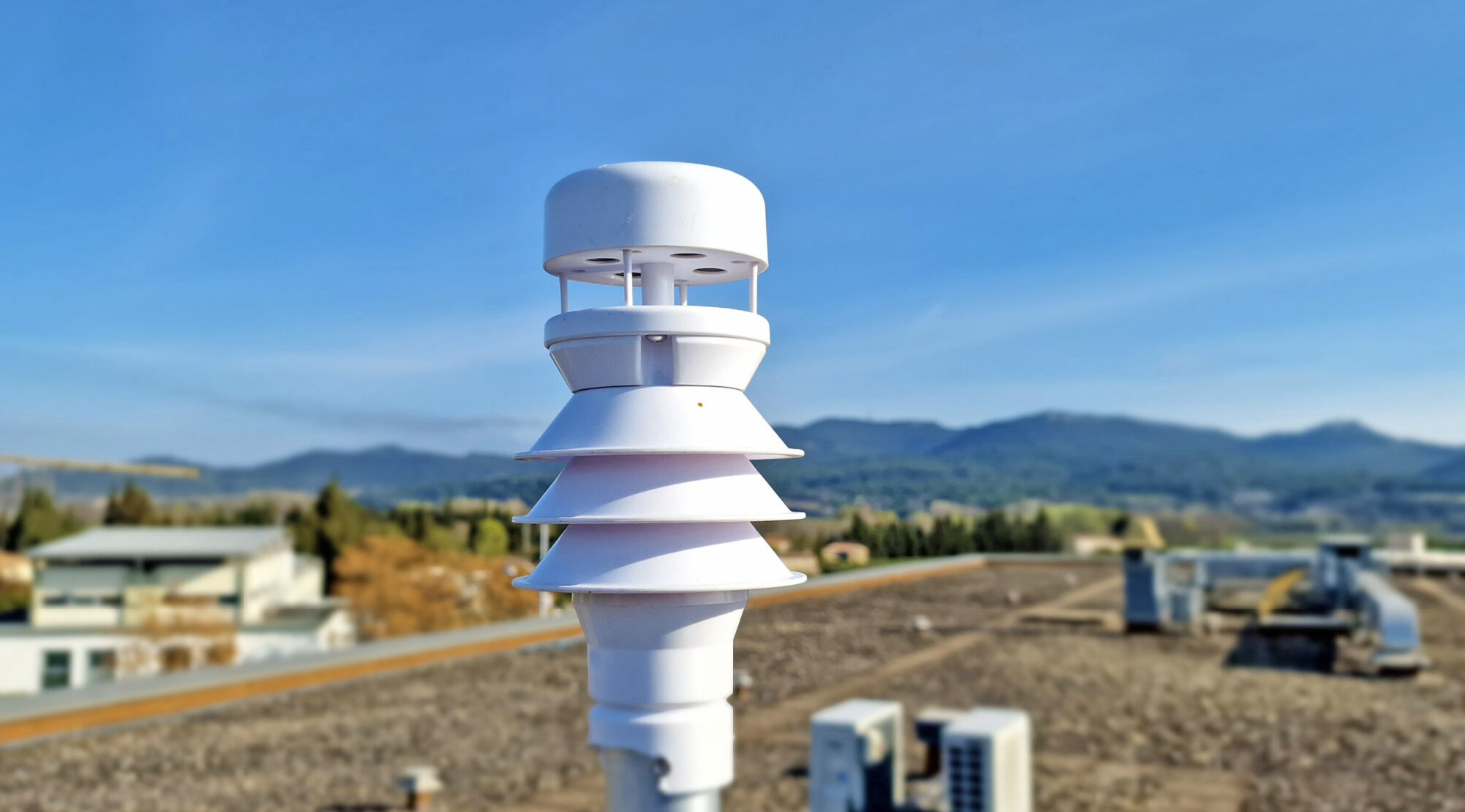
Enhance Your Allergy Management with the Pollen Count & Alerts App
The Pollen Count & Alerts App offers comprehensive features designed specifically for Glasgow residents to manage their allergies proactively.
- Real-Time Pollen Counts: Access the latest pollen data specific to Glasgow with hourly updates based on hyper-local forecasts
- Customized Alerts: Receive personalized notifications when pollen levels for your specific allergens reach thresholds that affect you
- Accurate Forecasts: View 5-day pollen predictions for tree, grass, and weed species to plan your week ahead
- Educational Content: Learn about Glasgow's specific pollen types, peak seasons, and how pollution affects allergen behavior
- Intuitive Design: Navigate easily through pollen data, forecasts, and symptom tracking with a user-friendly interface


Explore More on Managing Seasonal Allergies
- Understanding Allergy Pollen Counts: Your Comprehensive Guide – Learn how to interpret pollen count levels and discover effective strategies for managing your allergies throughout the year.
- Why Are My Allergies So Bad Right Now? | Pollen Count & Alerts App Blog – Discover the factors that can cause your allergies to suddenly intensify, from climate change to pollution interactions.
- Do Allergies Get Worse as You Age? | Pollen Count & Alerts App Blog – Understand how your body's response to allergens evolves over time and what to expect at different life stages.
Stay updated with the latest tips and insights by visiting the Alert Pollen Blog.
Pollen count in nearby cities
FAQ
When is pollen season in Glasgow?
Glasgow's pollen season runs from January through September, with peak allergen levels during spring and summer. Tree pollen begins as early as mid-January with hazel and alder, peaking in April-May with birch and oak. Grass pollen follows from April to September with highest counts in June-July, while weed pollen is most prevalent from late April through September.
What are the most common pollen allergens in Glasgow?
The most common allergens in Glasgow are tree pollen from hawthorn, alder, and birch (particularly silver birch, which is highly allergenic), with birch peaking in April-May. Grass pollen is a major allergen from mid-June to mid-July, while weed pollen from nettle, dock, mugwort, and plantain affects sufferers from late spring through early autumn. Glasgow's above-average tree density of 112 trees per hectare means residents experience higher tree pollen exposure than many UK cities.
How does Glasgow's air pollution affect my pollen allergies?
Glasgow is one of the UK's most polluted cities, and pollen sticks to pollution particles, causing it to linger longer in the air than normal. This significantly exacerbates hay fever symptoms for Glasgow residents. Using the Pollen Count & Alerts App helps you monitor both pollen levels and air quality, allowing you to plan outdoor activities during lower-risk periods.
Final Thoughts
Living in Glasgow presents unique pollen challenges due to the city's high tree density and pollution levels, but being informed about local allergen patterns empowers you to take control of your health. With pollen seasons starting as early as January and extending through September, having access to accurate, real-time information through the Pollen Count & Alerts App makes a significant difference in managing symptoms.
Download the Pollen Count & Alerts App today to receive personalized alerts tailored to Glasgow's specific pollen conditions and take the first step toward breathing easier year-round.
Take Control of Your Allergies Today
The Pollen Count & Alerts App provides real-time pollen counts specific to Glasgow, personalized alerts based on your allergen sensitivities, and comprehensive forecasts that account for local factors like pollution and weather patterns. Don't let pollen dictate your day—download the app and experience the difference that hyper-local, accurate information can make.