Belfast, the vibrant capital of Northern Ireland, sits along the eastern coast with its mild oceanic climate characterized by frequent rainfall and moderate temperatures. Despite its coastal location and wet weather, Belfast experiences a prolonged pollen season from late February through September, with particularly high levels during spring tree pollen and summer grass pollen peaks. This comprehensive guide explores Belfast's unique pollen patterns, seasonal trends, and practical strategies to help you manage allergies throughout the year.
Understanding Pollen Count in Belfast
Pollen count measures the concentration of pollen grains per cubic meter of air, indicating the severity of allergen exposure on any given day. When pollen counts are high, allergy sufferers in Belfast may experience sneezing, itchy eyes, runny nose, congestion, and respiratory discomfort. Monitoring daily pollen levels helps you anticipate symptoms and take preventive measures to minimize allergic reactions.
Key Pollen Types and Recent Trends in Belfast
Belfast experiences significant pollen from multiple plant types throughout the year, with climate change driving earlier and more intense seasons. Research shows that all pollen seasons are starting progressively earlier, with birch pollen detected as early as February 2025 and projections indicating potential 60% increases in season severity. Ireland has one of the highest asthma rates in Western Europe, making pollen monitoring particularly critical for Belfast residents.
- Birch and Oak Pollen: Expected high severity in 2025 due to favorable 2024 conditions; peaks April-May with strong cross-reactivity causing oral allergy syndrome
- Grass Pollen: Most problematic allergen group in the region; peaks June-July with very high counts during warm, dry periods despite oceanic climate
- Nettle Pollen: Extended season from May through September in Northern Ireland, longer than other UK regions; peaks June-July alongside grass
- Hazel and Alder: Early spring pollinators starting late February; transported to Belfast from UK mainland Southeast and East directions
Belfast's unique position means it receives cross-border pollen transport from the UK mainland, with tree pollen arriving from Southeast and East directions while grass pollen predominantly comes from the Southwest. The city's coastal location provides some relief, as westerly Atlantic winds bring lower pollen counts to north coast areas, though inland zones with hay meadows and uncut verges experience higher concentrations year-round.
Seasonal Pollen Patterns in Belfast
Belfast's pollen activity follows distinct seasonal patterns influenced by the region's oceanic climate and diverse vegetation.
- Spring (March to May): Dominated by tree pollen from birch, oak, ash, plane, and hazel; peak activity in April with high allergen levels affecting sensitive individuals
- Summer (June to August): Very high grass pollen levels peak in June-July alongside nettle, dock, and mugwort; warmest period creates most challenging conditions for allergy sufferers
- Autumn (September to November): Gradual decline in pollen activity; late grass and mugwort pollen persist into early September before season ends
- Winter (December to February): Generally low pollen activity, though hazel begins releasing pollen in late February; climate change may push oak and grass into January-February in future years
Accessing Daily Pollen Data in Belfast
The Pollen Count & Alerts App provides Belfast residents with essential real-time pollen monitoring and personalized forecasts. Track daily levels of tree, grass, weed pollen, and mold spores specific to your location, helping you plan outdoor activities during low-pollen windows. With customized alerts and accurate forecasting, you can take proactive steps to minimize allergy symptoms throughout Belfast's extended pollen season.
Effective Allergy Management Strategies for Belfast
Managing pollen allergies in Belfast requires a combination of monitoring, prevention, and environmental control strategies.
- Use the Pollen Count & Alerts App: Monitor real-time pollen levels and receive alerts to plan outdoor activities during low-pollen times, especially crucial during June-July grass peaks
- Improve Indoor Air Quality: Keep windows closed during high pollen days, particularly in April and June-July; use air conditioning with clean filters to reduce indoor allergen exposure
- Practice Personal Hygiene: Shower and change clothes after being outdoors to remove pollen from skin and hair; wash bedding frequently during peak seasons
- Install HEPA Air Purifiers: Use high-efficiency particulate air filters in bedrooms and living spaces to capture airborne pollen and reduce nighttime symptoms
- Consult an Allergist: Given Ireland's extremely high asthma rates, seek professional medical advice for persistent symptoms; consider immunotherapy for long-term relief
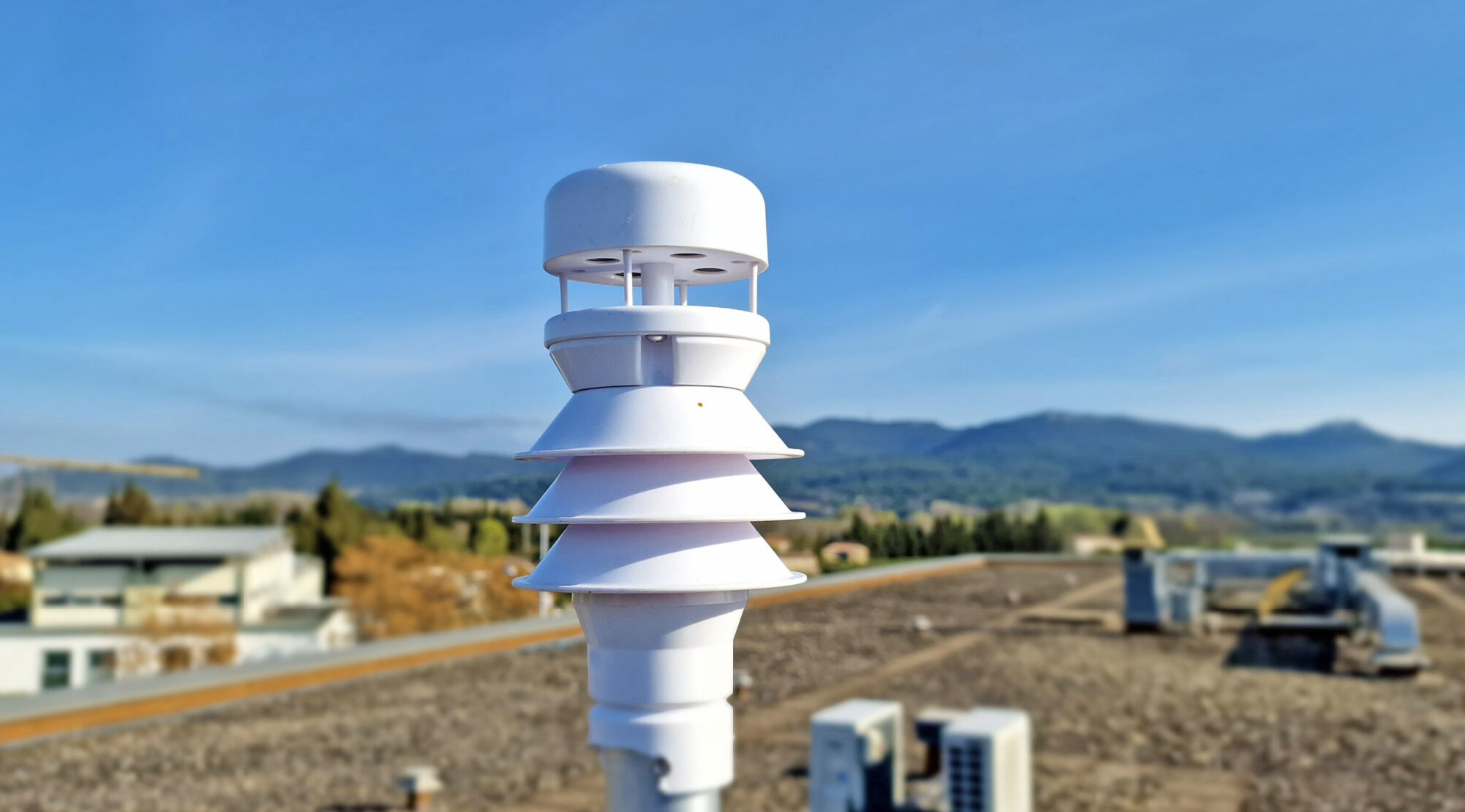
App Features to Enhance Your Allergy Management
The Pollen Count & Alerts App offers comprehensive tools designed specifically to help Belfast residents navigate the city's challenging pollen environment.
- Real-Time Pollen Counts: Access the latest pollen data specific to Belfast, covering tree, grass, weed, and mold spore concentrations updated throughout the day
- Customized Alerts: Receive personalized notifications when pollen levels rise in your area, allowing you to take preventive action before symptoms start
- Accurate Forecasts: View detailed multi-day pollen forecasts to plan outdoor activities, travel, and medication schedules during Belfast's February-September season
- Educational Content: Learn about specific allergens like birch, oak, and grass pollen, their cross-reactivities, and evidence-based management strategies
- Intuitive Design: Navigate an easy-to-use interface that presents complex pollen data clearly, making allergy management simple for all ages


Learn More About Managing Your Pollen Allergies
- Understanding Allergy Pollen Counts: Your Comprehensive Guide – Discover how to interpret pollen count levels and implement effective strategies to minimize your allergy symptoms throughout the season.
- Why Are My Allergies So Bad Right Now? | Pollen Count & Alerts App Blog – Understand the factors that can cause your allergies to suddenly intensify, from climate change to cross-reactive allergens.
- Do Allergies Get Worse as You Age? | Pollen Count & Alerts App Blog – Learn how your body's response to pollen and other allergens evolves throughout different life stages.
Stay informed with expert advice and seasonal updates by visiting the Alert Pollen Blog.
Pollen count in nearby cities
FAQ
When does pollen season occur in Belfast?
Belfast's pollen season runs from late February through September, with distinct peaks throughout the year. Tree pollen dominates from late February to May (with birch and oak peaking in April), grass pollen reaches its highest levels from June to July, and weed pollen like nettle and mugwort are most active from May to September. The most challenging period for allergy sufferers is typically June and July when grass pollen counts are at their peak.
What are the most common pollen allergens in Belfast?
The most common allergens in Belfast include tree pollen from oak (peaking in May), birch (peaking in April), ash, hazel, and hawthorn. Grass pollen from various meadow and park species is the most problematic allergen group overall, with peak activity in June and July. Weed pollen from nettle (June-July with an extended season May-September), dock, and mugwort also affect many residents during the summer months.
How can I protect myself from high pollen counts in Belfast?
Monitor daily pollen forecasts through the Pollen Count & Alerts App to plan outdoor activities when counts are lower, particularly during Belfast's peak grass pollen season in June and July. Stay indoors during dry, warm days when pollen counts spike, keep windows closed during high pollen periods, and shower after being outdoors to remove pollen from your hair and skin. If you live near Belfast's coastal areas, you may experience slightly lower counts due to Atlantic winds, but inland areas with parks and grasslands typically have higher pollen levels.
Final Thoughts
Living with pollen allergies in Belfast presents unique challenges, from the early birch season in April to the intense grass pollen peaks in summer. However, understanding the local pollen calendar and monitoring daily forecasts empowers you to take control of your symptoms. The Pollen Count & Alerts App provides Belfast-specific data to help you plan your days and protect your health throughout the extended pollen season.
Download the Pollen Count & Alerts App today to receive personalized alerts and stay one step ahead of Belfast's pollen patterns all year long.
Take Control of Your Allergies Today
The Pollen Count & Alerts App delivers real-time pollen counts, personalized alerts tailored to your specific allergens, and comprehensive forecasts for Belfast and surrounding areas. Whether you're managing tree, grass, or weed allergies, our app helps you plan your days with confidence. Download now and breathe easier this pollen season.