Lynn, Massachusetts is a coastal city located on Massachusetts Bay in the greater Boston metropolitan area. With a maritime-influenced New England climate and mixed deciduous forests, Lynn experiences an 8-month pollen season from March through October. This guide covers the main pollen types, seasonal patterns, recent trends, and how residents can effectively manage allergies using daily pollen monitoring.
Understanding Pollen Count in Lynn, MA
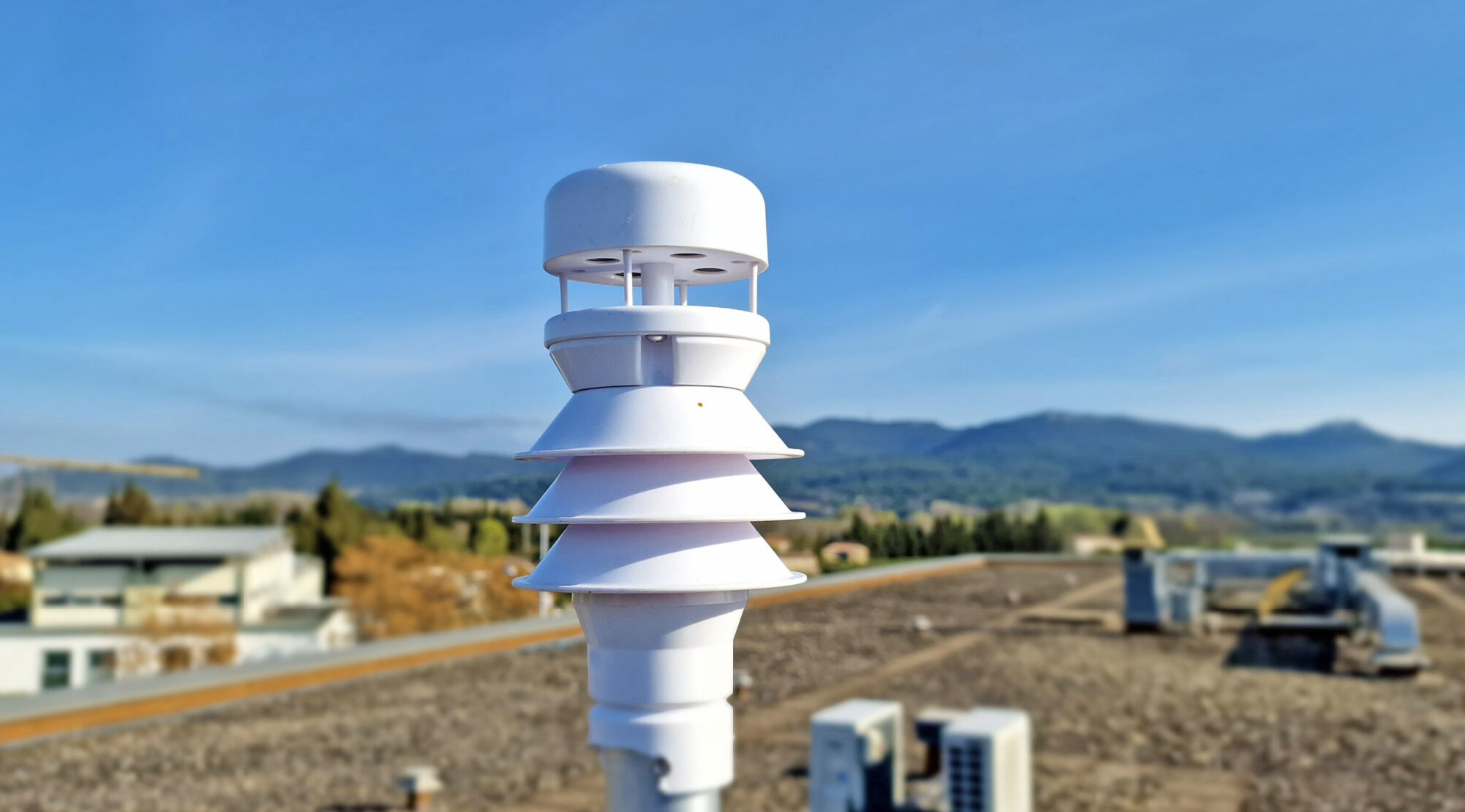
Pollen count measures the concentration of pollen grains per cubic meter of air collected at local monitoring stations. When counts are high, allergy sufferers typically experience symptoms including itchy watery eyes, nasal congestion, sneezing, sinus pressure, and respiratory issues. For those with allergic asthma, elevated pollen levels can trigger wheezing, chest tightness, and breathing difficulties.
Key Pollen Types and Recent Trends in Lynn
Lynn faces significant pollen challenges from three major allergen categories throughout the year. Local allergists reported a 30% increase in allergy patients during 2024 compared to the previous year, describing it as the worst year on record. Climate change has extended the pollen season by approximately 20 days with earlier starts and longer duration, now spanning roughly 8 months annually.
- Tree Pollen (Oak, Maple, Birch, Elm): Peaks April-May with very high levels; maple extremely abundant in Massachusetts forests and urban areas
- Grass Pollen (Timothy, Ryegrass, Bermuda): Dominates late May through July in lawns, parks, and sports fields across the region
- Ragweed Pollen: Most potent fall allergen August-October; single plants produce billions of grains traveling hundreds of miles
- Pine and Cedar Pollen: Contribute to spring pollen burden alongside other tree species in coastal forests
The freeze-free season in the Boston area has extended by 4% from the 1970s to 2015-2024, now averaging 221 days. This warmer climate pattern has added approximately 2 weeks to the growing season over the last 50 years, directly contributing to longer and more intense pollen seasons. In May 2025, birch, maple, and poplar reached high to very high levels in the Boston area, with Lynn experiencing similar patterns due to its proximity.
Seasonal Pollen Patterns in Lynn, Massachusetts
Lynn's pollen season follows three distinct waves corresponding to different allergen sources:
- Spring (March to May): Dominated by tree pollen from ash, birch, elm, maple, oak, and poplar with peak levels in April and May
- Summer (Late May to August): Grass pollen from Timothy, ryegrass, Bermuda grass, and Kentucky bluegrass reaches worst levels June through July
- Fall (August to October): Ragweed dominates with peak counts in September until the first freeze ends the season
- Winter (November to February): Provides a break from outdoor pollen allergens after the first freeze kills ragweed plants
Access Daily Pollen Data for Lynn, MA
The Pollen Count & Alerts App provides real-time pollen monitoring specifically for Lynn residents. Track current levels of tree, grass, and weed pollen plus mold spores with location-specific data. Receive customized alerts when pollen counts spike so you can plan outdoor activities during lower-pollen times and manage your allergy symptoms more effectively.
Effective Allergy Management Strategies for Lynn Residents
Take control of your seasonal allergies with these evidence-based strategies:
- Use the Pollen Count & Alerts App: Monitor real-time pollen levels and receive alerts to plan outdoor activities during low-pollen times
- Improve Indoor Air Quality: Keep windows closed during peak pollen hours, especially on warm, breezy days when counts are highest
- Practice Post-Outdoor Hygiene: Shower and change clothes after being outside to remove pollen from skin and hair
- Install HEPA Air Purifiers: Use high-efficiency particulate air filters in bedrooms and main living areas to capture airborne pollen
- Consult an Allergist: See a local allergy specialist for personalized treatment including antihistamines, nasal sprays, or immunotherapy
App Features to Enhance Your Allergy Management
The Pollen Count & Alerts App delivers comprehensive tools designed specifically for allergy sufferers in Lynn and throughout Massachusetts:
- Real-Time Pollen Counts: Access the latest pollen data specific to Lynn with updates from regional monitoring stations
- Customized Alerts: Receive notifications when pollen levels for your specific allergens reach thresholds that trigger your symptoms
- Accurate Forecasts: View 5-day pollen predictions based on weather conditions and historical patterns for better planning
- Educational Content: Learn about local pollen types, peak seasons, and evidence-based management strategies for your area
- Intuitive Design: Navigate easily through pollen data, forecasts, and personalized insights with a user-friendly interface


Explore More on Managing Seasonal Allergies
- Understanding Allergy Pollen Counts: Your Comprehensive Guide – Learn how to interpret pollen count levels and develop effective strategies to minimize your exposure during peak allergy seasons.
- Why Are My Allergies So Bad Right Now? | Pollen Count & Alerts App Blog – Discover the scientific reasons behind sudden increases in allergy severity and why climate change is making pollen seasons more intense.
- Do Allergies Get Worse as You Age? | Pollen Count & Alerts App Blog – Understand how your body's allergic responses evolve throughout your lifetime and what to expect as you age.
Stay updated with the latest tips and insights by visiting the Alert Pollen Blog.
Pollen count in nearby cities
FAQ
When is pollen season in Lynn, MA?
Pollen season in Lynn, MA runs from March through October, spanning approximately 8 months. The season has three distinct waves: spring tree pollen peaks in April and May with oak, maple, birch, and elm; summer grass pollen dominates from late May through July with Timothy grass and ryegrass; and fall weed pollen, primarily ragweed, takes over from August through October. Climate change has extended the season by about 20 days, starting earlier and lasting longer than in previous decades.
What are the most common pollen allergens in Lynn, MA?
The most common allergens in Lynn include tree pollen from oak, maple, birch, elm, and ash, which peak in April and May. During summer, grass pollens from Timothy grass, ryegrass, Bermuda grass, and Kentucky bluegrass are most prevalent from late May through July. In fall, ragweed is the dominant allergen from August through October, producing billions of pollen grains per plant that can travel hundreds of miles on coastal breezes. Lynn's coastal location and urban green spaces contribute to the presence of marsh elder near wetlands and abundant grass species in lawns and parks.
How can I protect myself from pollen allergies in Lynn, MA?
Monitor daily pollen counts using the Pollen Count & Alerts App to plan outdoor activities on lower-count days, especially during peak months of April, May, and September. Stay indoors during dry, breezy days when pollen stays airborne longer, and take advantage of rainy weather when pollen counts drop significantly. Keep windows closed during high pollen periods, shower after being outdoors to remove pollen from hair and skin, and consider consulting local allergists at Northeast Allergy, Asthma & Immunology for personalized treatment plans.
Final Thoughts
Living in Lynn, MA means navigating an 8-month pollen season with challenging spring tree pollen, summer grasses, and fall ragweed, made more intense by climate change. However, with accurate information about local pollen patterns and the right tools like the Pollen Count & Alerts App, you can take control of your seasonal allergies. Understanding when oak, maple, birch, and ragweed peak in your area empowers you to plan ahead and reduce symptom severity.
Download the Pollen Count & Alerts App today to receive real-time pollen data specific to Lynn and personalized alerts that help you stay one step ahead of allergy season.
Take Control of Your Allergies Today
The Pollen Count & Alerts App provides real-time pollen counts for Lynn, MA, personalized alerts based on your specific allergen sensitivities, and comprehensive 5-day forecasts to help you plan your week. Whether you're dealing with spring tree pollen, summer grass, or fall ragweed, get the accurate, local data you need to breathe easier. Download now and join thousands of users managing their seasonal allergies more effectively.