Worcester, Massachusetts experiences a pronounced three-season allergy pattern driven by its temperate climate and diverse vegetation. Located in central Massachusetts, the city faces particularly intense pollen peaks in May from oak and birch trees, and again in September when ragweed dominates. This guide covers Worcester's main pollen types, seasonal patterns, monitoring resources, and practical strategies for managing allergies throughout the year.
Understanding Pollen Count in Worcester
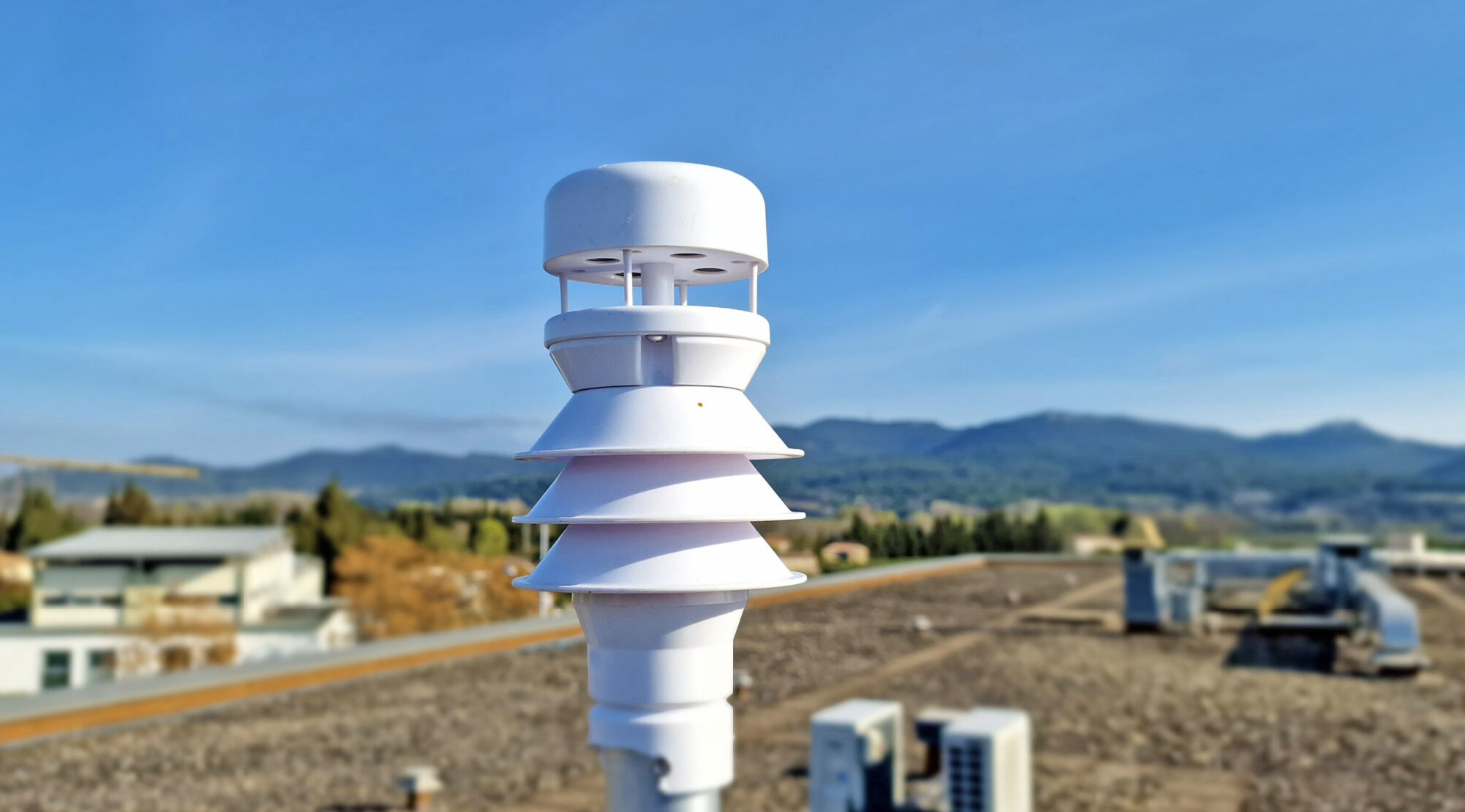
Pollen count measures the concentration of pollen grains per cubic meter of air, collected through automated particulate sensors using neural network algorithms for species identification. High pollen counts trigger allergic rhinitis symptoms including sneezing, nasal congestion, itchy watery eyes, and can exacerbate asthma in over 60 percent of allergy patients. Worcester uses Pollen Sense automated sensors that provide real-time measurements throughout the pollen season.
Key Pollen Types and Recent Trends in Worcester
Worcester residents face allergen challenges from multiple plant families throughout the growing season. Tree pollen, particularly from oak and birch, creates the highest burden during May, while ragweed generates very high counts each September. Climate change is lengthening the pollen season through warmer winters and earlier spring warm spells, with data showing increased overall pollen production and extended allergy seasons compared to previous decades.
- Oak and Birch Pollen: Peak in May producing very high counts, the most dominant spring allergens in Worcester's hardwood forest landscape
- Ragweed Pollen: Begins mid-August and peaks throughout September until first frost, causing the most intense fall hay fever symptoms
- Grass Pollen: Kentucky bluegrass and timothy grass thrive in Worcester's temperate climate, creating moderate to high counts June through August
- Tree Pollen Mix: Silver maple, alder, elm, ash, hickory, and walnut contribute to extended spring allergy season from February through May
Warmer winters associated with climate change are triggering earlier pollination dates and false spring events that extend the tree pollen season. Urban areas of Worcester experience lower overall pollen counts compared to suburban neighborhoods, where diverse green spaces and vegetation support higher concentrations of allergenic grasses and weeds.
Seasonal Pollen Patterns in Worcester
Worcester's pollen calendar follows three distinct peak periods aligned with plant reproductive cycles.
- Spring (March to May): Dominated by tree pollen from oak, birch, maple, ash, elm, and hickory, with May experiencing very high counts as the worst allergy month
- Summer (June to August): Grass pollen takes over with Kentucky bluegrass, timothy grass, perennial ryegrass, and orchard grass producing moderate to high counts
- Fall (August to November): Ragweed pollen dominates from mid-August through September with very high counts, joined by mugwort, amaranth, and nettle until first frost
- Winter (December to February): Very low pollen activity during dormant season, with occasional silver maple and alder release during late winter warm spells
Access Daily Pollen Data for Worcester
The Pollen Count & Alerts App provides real-time pollen monitoring specifically for Worcester, Massachusetts. Track daily counts for tree, grass, weed, and mold spore allergens with forecasts based on automated sensor data and local weather conditions. Receive personalized alerts when pollen levels reach thresholds that affect your specific sensitivities.
Effective Allergy Management Strategies for Worcester Residents
Minimize allergy symptoms with these evidence-based strategies tailored to Worcester's pollen patterns.
- Use the Pollen Count & Alerts App: Monitor real-time pollen levels and receive alerts to plan outdoor activities during low-pollen times, typically afternoon and evening hours
- Improve Indoor Air Quality: Keep windows closed during peak pollen hours in early morning, use air conditioning with clean filters during May and September high-count periods
- Practice Personal Hygiene: Shower and wash hair before bed to remove pollen collected outdoors, change clothes after extended outdoor exposure during peak seasons
- Install HEPA Air Purifiers: Use high-efficiency particulate air filters in bedrooms and main living areas to capture airborne pollen grains and reduce indoor allergen load
- Consult a Local Allergist: Seek professional evaluation at Worcester allergy centers for personalized treatment including immunotherapy options for long-term relief
Pollen Count & Alerts App Features for Worcester Allergy Management
The Pollen Count & Alerts App offers comprehensive tools designed to help Worcester residents manage seasonal allergies effectively.
- Real-Time Pollen Counts: Access the latest pollen data specific to Worcester from automated sensors tracking tree, grass, weed, and mold spore concentrations
- Customized Allergy Alerts: Receive notifications when oak, birch, ragweed, or grass pollen reaches levels that trigger your specific sensitivities
- Accurate 5-Day Forecasts: Plan your week with detailed predictions based on Worcester weather patterns, temperature, humidity, and wind conditions affecting pollen dispersal
- Educational Allergen Content: Learn about local pollen sources including identification of oak, birch, ragweed, and grasses common to central Massachusetts landscapes
- Intuitive User Interface: Navigate easily between current conditions, forecasts, and historical trends with a design optimized for quick daily checking


Learn More About Managing Your Seasonal Allergies
- Understanding Allergy Pollen Counts: Your Comprehensive Guide – Discover how to interpret pollen count levels and develop effective strategies to minimize your exposure during peak allergy seasons.
- Why Are My Allergies So Bad Right Now? | Pollen Count & Alerts App Blog – Understand the factors that can cause a sudden worsening of allergy symptoms, from weather changes to pollution interactions.
- Do Allergies Get Worse as You Age? | Pollen Count & Alerts App Blog – Explore how your body's response to allergens evolves over time and what you can do to adapt your management approach.
Stay updated with the latest tips and insights by visiting the Alert Pollen Blog.
Pollen count in nearby cities
FAQ
When is pollen season in Worcester, MA?
Pollen season in Worcester typically runs from February through November, with three distinct peaks. Spring tree pollen (oak and birch) reaches its highest levels in April and May, summer grass pollen peaks from June through August, and fall ragweed pollen dominates from mid-August through September. The most intense allergy periods are May for tree pollen and September for ragweed.
What are the most common allergens in Worcester, MA?
The most common allergens in Worcester include oak and birch trees in spring (peaking in May), Timothy grass and Kentucky bluegrass in summer (June-August), and ragweed in fall (peaking in September). Other significant allergens include maple, elm, and ash trees in early spring, as well as mugwort and amaranth weeds in late summer and fall. Worcester's temperate climate supports a diverse mix of allergenic plants across all three pollen seasons.
How can I track daily pollen levels in Worcester to plan my outdoor activities?
The Pollen Count & Alerts App provides real-time pollen monitoring for Worcester using automated sensor technology and AI-powered species identification. You can check daily forecasts before heading outdoors and receive personalized alerts when pollen levels spike. For best results, plan outdoor activities for afternoon or evening when pollen counts are naturally lower, and avoid early morning hours when pollen dispersal peaks.
Final Thoughts
Living in Worcester means navigating three distinct pollen seasons with particularly challenging peaks in May and September. However, understanding your local allergen patterns and monitoring daily pollen levels gives you the power to take control of your allergy symptoms. With the Pollen Count & Alerts App, you can stay informed about real-time conditions and plan your days accordingly.
Don't let pollen dictate your outdoor activities. Download the Pollen Count & Alerts App today to receive personalized alerts and comprehensive forecasts tailored to Worcester's unique allergen profile.
Take Control of Your Allergies Today
The Pollen Count & Alerts App delivers real-time pollen counts, personalized alerts based on your specific sensitivities, and comprehensive five-day forecasts for Worcester, MA. With automated sensor technology and AI-powered species identification, you'll always know when oak, birch, grass, or ragweed levels are rising. Download now and breathe easier all season long.