Quincy, Massachusetts sits along Massachusetts Bay in the Greater Boston metropolitan area, experiencing a humid continental climate with distinct seasons. The city faces an extended 8-month allergy season from March through October, with residents exposed to tree, grass, and weed pollen in succession. This guide provides essential information about Quincy's pollen patterns, peak allergy periods, and strategies to minimize symptoms throughout the year.
Understanding Pollen Count in Quincy
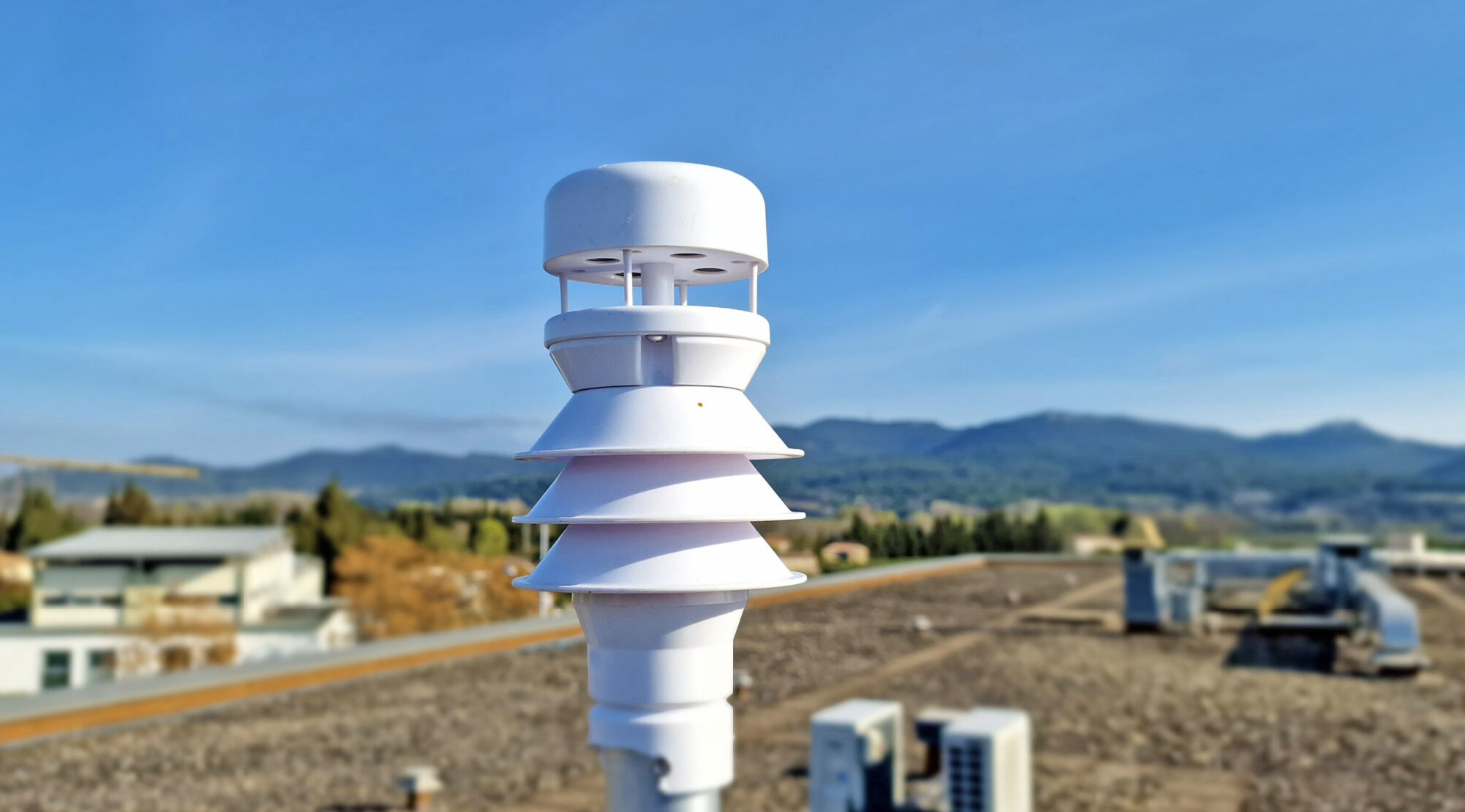
Pollen count measures the concentration of pollen grains per cubic meter of air, typically sampled from rooftop monitoring stations. The National Allergy Bureau station in nearby Salem provides certified pollen data for the Quincy region using volumetric spore traps. When counts are high, allergy sufferers commonly experience sneezing, runny nose, itchy watery eyes, nasal congestion, coughing, and asthma exacerbations.
Key Pollen Types Affecting Quincy Residents
Quincy experiences three distinct pollen seasons dominated by different allergen types. Spring brings the most problematic tree pollen, particularly from birch and oak species that produce highly allergenic, wind-dispersed grains. Summer transitions to grass pollen from species like Timothy grass and perennial ryegrass commonly found in lawns and parks. Fall is dominated by ragweed, which produces pollen capable of traveling hundreds of miles and triggers intense allergic reactions.
- Birch and Oak Tree Pollen: Peak in April and May creating the highest spring concentrations, with lightweight pollen traveling long distances across the Boston area
- Timothy Grass and Ryegrass: Dominate June and July with abundant wind-dispersed pollen from lawns, sports fields, and landscaped areas throughout the city
- Ragweed Pollen: Peaks in September as the most problematic fall allergen, with airborne grains arriving from both local and distant sources
- Maple and Cedar Pollen: Start the season in March with very potent allergens, affecting sensitive individuals before other tree species begin pollinating
Research indicates that urban environments like Quincy may experience earlier pollen season start dates, higher pollen counts, and greater allergenic potency compared to rural areas. The coastal positioning provides some relief through humidity and rain washing pollen from the air, though wind patterns can increase dispersal from inland sources.
Seasonal Pollen Patterns in Quincy
Quincy's allergy calendar follows three distinct phases across eight months of the year.
- Spring (March to May): Dominated by tree pollen from maple, elm, birch, oak, ash, and pine, with April and May representing peak months for allergic rhinitis and asthma symptoms
- Summer (June to August): Characterized by grass pollen from timothy grass, perennial ryegrass, Kentucky bluegrass, and orchard grass, with highest concentrations in June and July
- Fall (September to October): Controlled by ragweed and other weed pollen including mugwort and pigweed, with September experiencing the most intense weed allergen levels until first frost
- Winter (November to February): Minimal outdoor pollen activity providing relief for most allergy sufferers, though indoor allergens may still cause symptoms
Accessing Daily Pollen Data for Quincy
The Pollen Count & Alerts App provides real-time pollen monitoring specific to Quincy zip codes, tracking tree, grass, weed, and mold spore concentrations throughout the day. Users receive accurate forecasts and customized alerts based on their personal sensitivity levels, allowing them to plan outdoor activities during low-pollen periods. The app integrates data from the National Allergy Bureau station in Salem along with weather conditions to deliver the most reliable pollen information for the Greater Boston area.
Effective Allergy Management Strategies for Quincy Residents
Implementing these evidence-based strategies can significantly reduce pollen exposure and allergy symptoms.
- Use the Pollen Count & Alerts App: Monitor real-time pollen levels and receive personalized alerts to plan outdoor activities during low-pollen times, especially avoiding peak hours between 5 AM and 10 AM
- Maintain Indoor Air Quality: Keep windows closed during high pollen days in April, May, and September, and run air conditioning with clean filters to prevent outdoor allergens from entering your home
- Practice Personal Hygiene: Shower and wash hair before bed to remove pollen accumulated during the day, change clothes after outdoor activities, and remove shoes at the door to avoid tracking allergens indoors
- Install HEPA Air Purifiers: Use high-efficiency particulate air filters in bedrooms and main living areas to capture airborne pollen grains, particularly beneficial during peak tree and ragweed seasons
- Consult an Allergist: Seek professional evaluation for persistent symptoms, especially if you experience asthma exacerbations, sinusitis, or sleep disruption during Quincy's extended allergy season
App Features to Enhance Your Allergy Management
The Pollen Count & Alerts App offers comprehensive tools designed specifically for Quincy residents to navigate the 8-month allergy season effectively.
- Real-Time Pollen Counts: Access the latest pollen data specific to Quincy from certified monitoring stations, updated multiple times daily during peak seasons
- Customized Allergy Alerts: Receive notifications when birch, oak, grass, or ragweed levels exceed your personal thresholds based on your sensitivity profile
- Accurate 5-Day Forecasts: Plan your week with detailed predictions for tree, grass, and weed pollen incorporating local weather patterns and historical trends
- Educational Allergen Content: Learn about specific species affecting Quincy including identification guides for birch, oak, timothy grass, and ragweed with peak timing information
- Intuitive User Interface: Navigate easily between current conditions, forecasts, and health tips with a clean design optimized for quick daily checking


Explore More on Managing Seasonal Allergies
- Understanding Allergy Pollen Counts: Your Comprehensive Guide – Learn how to interpret pollen count levels and develop effective strategies to minimize your exposure during peak allergy seasons.
- Why Are My Allergies So Bad Right Now? | Pollen Count & Alerts App Blog – Discover the environmental and physiological factors that can cause your allergy symptoms to intensify unexpectedly.
- Do Allergies Get Worse as You Age? | Pollen Count & Alerts App Blog – Understand how your immune system and allergy sensitivities evolve throughout different life stages and what to expect.
Stay updated with the latest tips and insights by visiting the Alert Pollen Blog.
Pollen count in nearby cities
FAQ
When is pollen season in Quincy, MA?
Pollen season in Quincy, Massachusetts runs from March through October, spanning approximately eight months. The season begins with tree pollen in March (maple and elm), peaks during April and May with birch and oak, transitions to grass pollen in June and July, and concludes with ragweed dominating September and October. The most challenging months for allergy sufferers are April, May, and September when pollen concentrations reach their highest levels.
What are the most common allergens in Quincy, MA?
The most common and problematic allergens in Quincy are birch and oak trees during spring (April-May), timothy grass and perennial ryegrass during summer (June-July), and ragweed during fall (September-October). Birch is considered the most troublesome tree pollen due to its highly allergenic, lightweight pollen that travels long distances, while ragweed dominates the fall season with pollen that can travel hundreds of miles. Other significant allergens include maple, cedar, Kentucky bluegrass, orchard grass, and mugwort.
How can I protect myself from pollen in Quincy and use the app effectively?
Monitor daily pollen forecasts through the Pollen Count & Alerts App to plan outdoor activities during low-pollen periods, typically after rain or on humid coastal days when moisture helps wash pollen from the air. Set personalized alerts for your specific allergen triggers like birch, oak, or ragweed so you can take preventive medication before symptoms start. On high pollen days, especially during April, May, and September peaks, limit outdoor exposure during morning hours when pollen counts are highest and keep windows closed.
Final Thoughts
Living in Quincy means facing an extended eight-month pollen season with distinct spring, summer, and fall allergen peaks, but understanding when birch, oak, grass, and ragweed reach their highest concentrations empowers you to take control. The Pollen Count & Alerts App provides the real-time data and personalized forecasts you need to plan your days around pollen levels specific to your location. With coastal humidity and rain providing periodic relief, timing your outdoor activities strategically can make a significant difference.
Download the Pollen Count & Alerts App today to receive customized pollen alerts and stay ahead of your allergies throughout Quincy's challenging allergy season.
Take Control of Your Allergies Today
The Pollen Count & Alerts App delivers real-time pollen counts for Quincy, personalized alerts based on your specific allergen triggers, and comprehensive five-day forecasts to help you plan ahead. Whether you're managing birch sensitivity in spring or ragweed reactions in fall, our app keeps you informed and prepared. Download now and experience relief through better pollen awareness.