Gloucester, situated in the scenic Severn Valley in Southwest England, experiences typical British weather patterns with mild winters and moderate summers. This climate, combined with surrounding agricultural grasslands and urban tree plantings, creates significant pollen challenges for local residents. This guide explores Gloucester's pollen types, seasonal patterns, recent trends, and practical strategies to help you manage allergic rhinitis and other pollen-related health concerns throughout the year.
Understanding Pollen Count in Gloucester
Pollen count measures the concentration of pollen grains per cubic meter of air. When levels rise, particularly during peak seasons, allergy sufferers may experience runny nose, sneezing, itchy eyes, blocked nasal passages, and asthma exacerbation. Understanding daily pollen counts helps you plan outdoor activities and take preventive measures to minimize symptoms.
Key Pollen Types and Trends in Gloucester
Gloucester residents face exposure to three main pollen categories throughout the year, with recent data showing dramatic increases in allergy prevalence. Hospital visits for pollen-induced allergic rhinitis have increased 20-fold in 2023/24 compared to 2002/03, while up to 49% of the UK population now experiences allergy symptoms. The following pollen types pose the greatest challenges for Gloucestershire residents.
- Birch Tree Pollen: The most allergenic tree species in the UK, affecting approximately 25% of the population with peak levels from early April to mid-May
- Grass Pollen: Impacts about 95% of hay fever sufferers, with very high risk possible during the peak season from mid-June to mid-July
- Nettle Pollen: Common weed allergen with distinctive evening peaks during June, July, and late August extending through September
- Ragweed Pollen: Increasingly present due to climate change, extending the allergy season into October
Climate change and urbanization continue to drive earlier pollen season onset, longer duration, and increased pollen production across the region. Gloucester's urban heat islands and pollution levels can further increase pollen allergenicity, making management strategies more important than ever for the city's growing allergy-affected population.
Seasonal Pollen Patterns in Gloucester
Gloucester experiences distinct pollen seasons throughout the year with varying allergen types and intensity levels.
- Spring (March to May): Dominated by tree pollen from birch, ash, oak, hazel, alder, and plane species, with birch presenting the highest allergenic risk from early April to mid-May
- Summer (June to August): Peak grass pollen season with very high risk during mid-June to mid-July, accompanied by weed pollen from plantain, nettle, and dock species
- Autumn (September to November): Weed pollen continues with nettle extending through September, mugwort active until early September, and ragweed persisting into October
- Winter (December to February): Early tree pollen season begins with hazel and alder starting in mid-January, typically peaking in February before the main spring season
Access Daily Pollen Data for Gloucester
The Pollen Count & Alerts App provides Gloucester residents with essential daily pollen monitoring to manage allergies effectively. Track real-time pollen counts for tree, grass, weed, and mold spores specific to your location. Receive personalized alerts when pollen levels spike so you can adjust your outdoor activities and minimize exposure during high-risk periods.
Effective Allergy Management Strategies for Gloucester Residents
Implement these practical strategies to reduce pollen exposure and manage allergy symptoms throughout the year.
- Use the Pollen Count & Alerts App: Monitor real-time pollen levels and receive alerts to plan outdoor activities during low-pollen times, particularly avoiding mid-June to mid-July grass pollen peaks
- Improve Indoor Air Quality: Keep windows closed during high pollen days, especially during evening hours when nettle pollen peaks from June to August
- Practice Good Personal Hygiene: Shower and change clothes after outdoor activities to remove pollen particles, and avoid drying laundry outside during peak seasons
- Install HEPA Air Purifiers: Use high-efficiency particulate air filters in bedrooms and living spaces to remove airborne pollen particles and reduce indoor allergen exposure
- Consult an Allergist: Seek professional medical advice for persistent symptoms, as hay fever sufferers are four times more likely to develop asthma, eczema, or food allergies
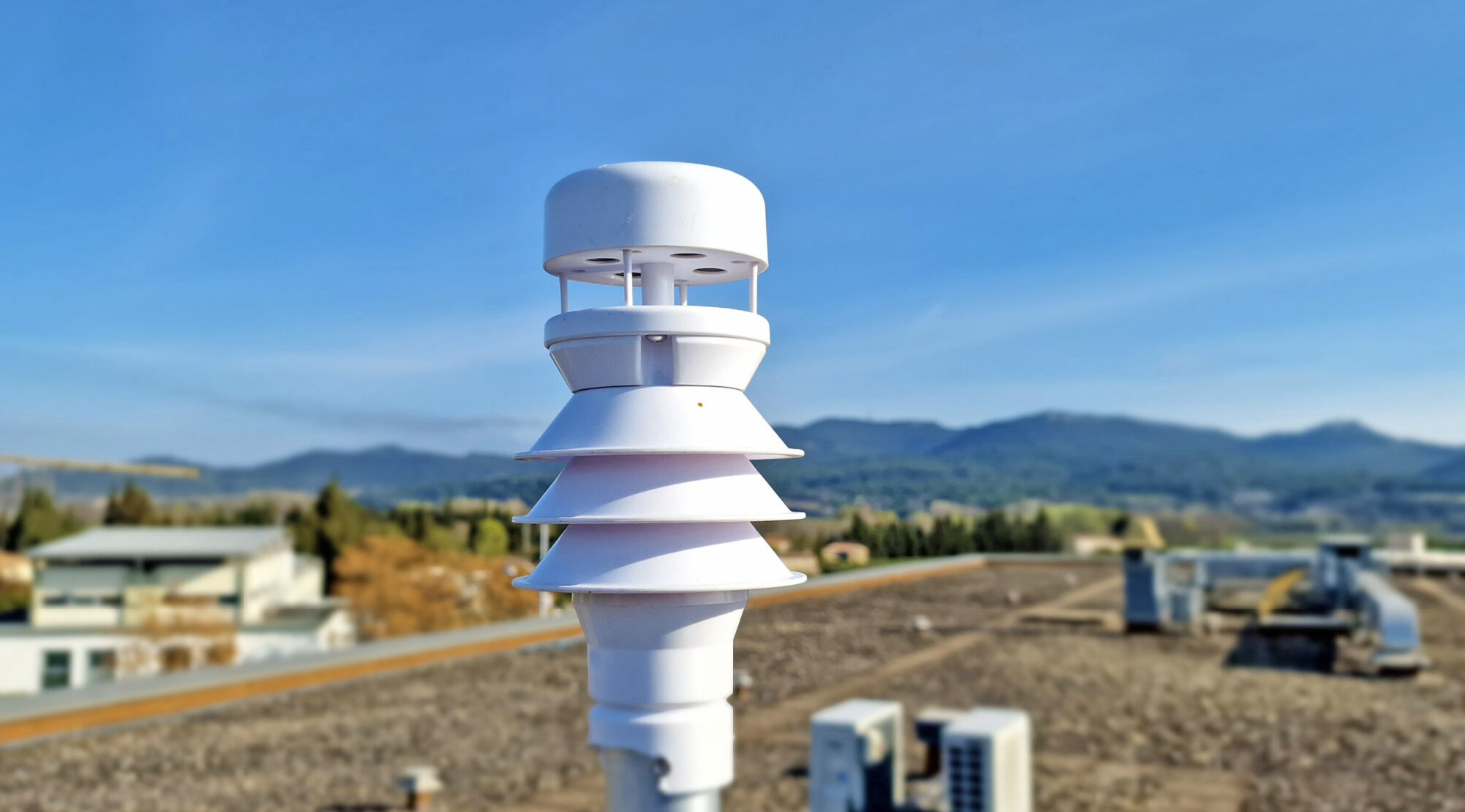
App Features to Enhance Your Allergy Management in Gloucester
The Pollen Count & Alerts App offers comprehensive features designed to help Gloucester residents stay informed and protect their health during pollen season.
- Real-Time Pollen Counts: Access the latest pollen data specific to Gloucester and Gloucestershire, including tree, grass, weed, and mold spore levels
- Customized Pollen Alerts: Receive personalized notifications when pollen counts reach levels that trigger your specific allergy symptoms
- Accurate 5-Day Forecasts: Plan ahead with detailed pollen forecasts based on Met Office data and University of Worcester monitoring covering the Gloucester area
- Educational Content: Learn about cross-reactive allergies, such as birch pollen reactions to apples, hazelnuts, and other fruits, and understand seasonal patterns
- Intuitive User Interface: Navigate easily through pollen data, forecasts, and health tips with a clean, user-friendly design optimized for daily use


Explore More on Managing Seasonal Allergies
- Understanding Allergy Pollen Counts: Your Comprehensive Guide – Learn how to interpret pollen count levels and adjust your daily routine to minimize allergy symptoms throughout the season.
- Why Are My Allergies So Bad Right Now? | Pollen Count & Alerts App Blog – Discover the environmental and biological factors that can cause your allergy symptoms to intensify unexpectedly.
- Do Allergies Get Worse as You Age? | Pollen Count & Alerts App Blog – Understand how your body's immune response to pollen and other allergens evolves from childhood through adulthood.
Stay updated with the latest tips and insights by visiting the Alert Pollen Blog.
Pollen count in nearby cities
FAQ
When is pollen season in Gloucester?
Pollen season in Gloucester begins in mid-January with hazel and alder tree pollen, followed by birch and oak from March to May. The most intense period occurs from mid-June to mid-July when grass pollen peaks, affecting up to 95% of hay fever sufferers. Weed pollen from nettles, mugwort, and dock extends the season through September, with some ragweed pollen continuing into October.
What are the most common pollen allergens in Gloucester?
The most common allergens in Gloucester are grass pollen, particularly perennial ryegrass and timothy grass, which peak from mid-June to mid-July. Birch tree pollen is the most allergenic tree species, affecting around 25% of the UK population during April and May, followed by oak pollen in May. Nettle and mugwort are the primary weed allergens, with nettle peaking in June, July, and late August, often with elevated evening concentrations.
How can I protect myself from pollen allergies in Gloucester?
Monitor daily pollen forecasts for Gloucester using the Pollen Count & Alerts App to plan outdoor activities when counts are lower, typically after rain or on cloudy days. Keep windows closed during peak pollen hours, especially during mid-June to mid-July when grass pollen is highest, and shower after spending time outdoors to remove pollen from hair and skin. Be particularly cautious during evening hours in summer when nettle pollen peaks.
Final Thoughts
Living in Gloucester means navigating a pollen season that spans from January through October, with particularly challenging periods during grass pollen's peak in summer. By understanding which allergens affect you most and when they're most prevalent, you can take proactive steps to manage your symptoms. The Pollen Count & Alerts App provides the localized, real-time information you need to stay one step ahead of your allergies.
Don't let pollen control your life in Gloucester. Download the Pollen Count & Alerts App today to receive personalized alerts and accurate forecasts tailored to your location.
Take Control of Your Allergies Today
The Pollen Count & Alerts App delivers real-time pollen counts, personalized notifications based on your specific allergens, and comprehensive five-day forecasts for Gloucester. With detailed breakdowns of tree, grass, and weed pollen levels, you can plan your days with confidence and minimize exposure during peak periods. Download now and experience the difference that accurate, localized pollen information can make in managing your seasonal allergies.