Evansville, located in southwestern Indiana along the Ohio River, experiences a continental Midwest climate that creates three distinct pollen seasons affecting residents from late February through November. The city's river valley location and weather patterns contribute to significant tree, grass, and weed pollen levels, with peak allergy months occurring in April, May, and September. This guide provides comprehensive information about Evansville's pollen types, seasonal patterns, and effective management strategies to help you minimize allergy symptoms throughout the year.
Understanding Pollen Count in Evansville
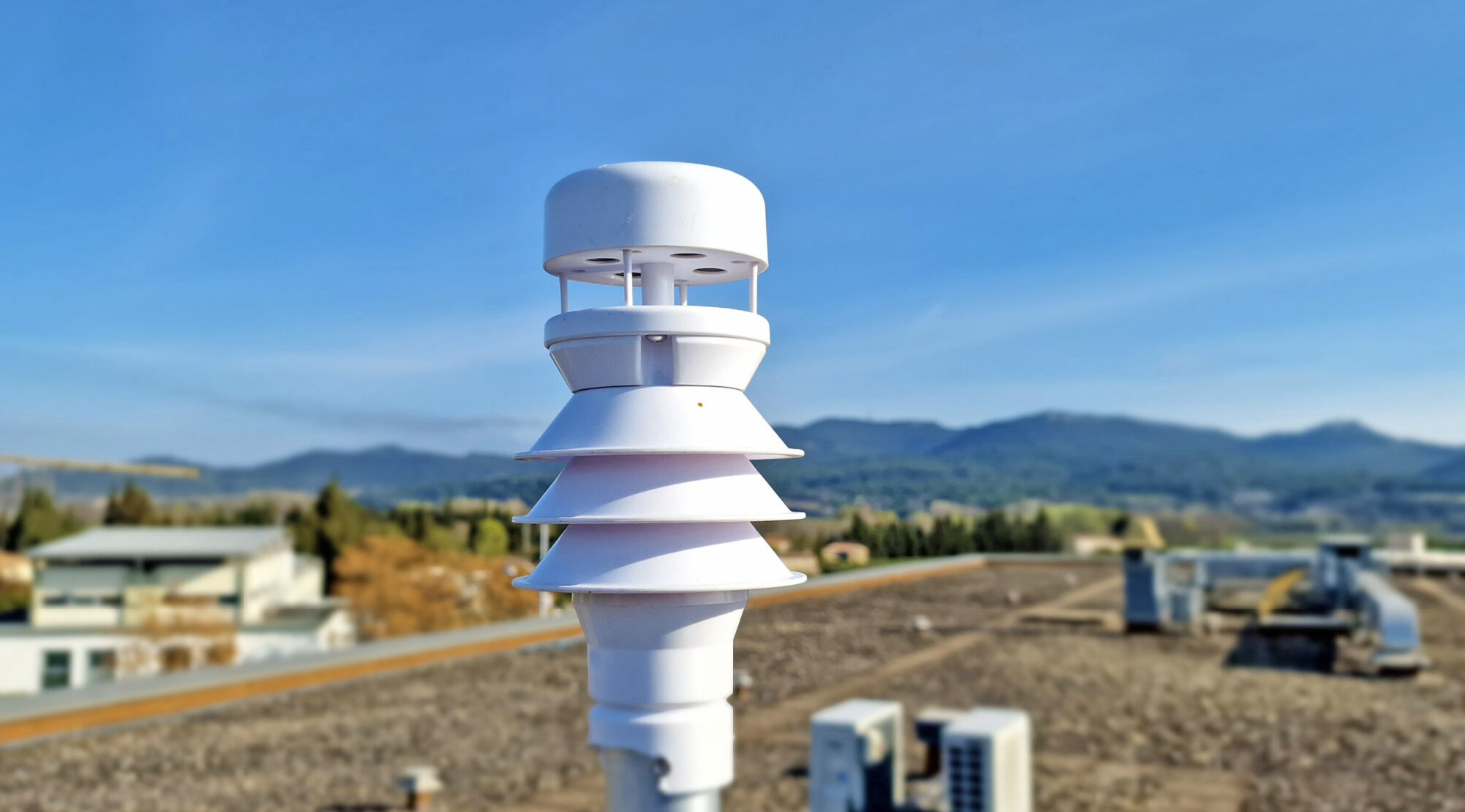
Pollen count measures the concentration of pollen grains per cubic meter of air, tracked in real-time using automated particulate sensors with neural network technology. When pollen levels are elevated, allergy sufferers typically experience persistent runny nose, frequent sneezing, itchy or watery eyes, scratchy throat, and headaches. Understanding daily pollen counts helps residents plan outdoor activities and take preventive measures to reduce exposure during high-pollen periods.
Key Pollen Types and Allergen Trends in Evansville
Evansville residents face three major pollen categories throughout the year, with ragweed being the most significant allergen affecting nearly 75% of seasonal allergy sufferers. Recent data collected from February 2022 through May 2023 using automated sensors reveals concerning trends driven by climate change and rising CO₂ levels. The lack of late deep freezes and warmer winters have resulted in longer pollen seasons with increased pollen production across all plant types.
- Ragweed Pollen: The dominant fall allergen affecting 75% of hay fever sufferers, with extended seasons now lasting from late August through November due to milder falls
- Tree Pollen: Includes oak, hickory, walnut, willow, ash, and mulberry species, peaking from mid-March through April with earlier start times due to warm winters
- Grass Pollen: Timothy, bent, and brome grasses produce elevated pollen levels throughout June and July, extending into August during wet springs
- Mold Spores: Year-round presence in the humid Ohio River valley environment, with outdoor spores peaking during warm, damp conditions
Long-term monitoring reveals that rising temperatures and longer growing seasons have caused plants to produce significantly more pollen than in previous decades. Wind conditions in the Ohio River valley dramatically increase airborne pollen dispersal, while humidity affects both pollen counts and allergen potency, creating variable daily allergy impacts even within the same season.
Seasonal Pollen Patterns in Evansville
Evansville experiences distinct pollen seasons from late winter through the first hard freeze:
- Spring (Late February to May): Tree pollen dominates with oak, hickory, walnut, willow, ash, and mulberry peaking mid-March through April
- Summer (Late May to August): Grass pollen from timothy, bent, and brome varieties reaches peak levels in June and July
- Fall (Late August to November): Ragweed and weed pollen create the most widespread allergy problems, peaking in mid to late September
- Winter (December to February): Cold temperatures halt outdoor pollen production, though indoor allergens like dust mites and mold remain active
Access Daily Pollen Data for Evansville
The Pollen Count & Alerts App provides real-time pollen monitoring specifically for your Evansville zip code, tracking tree, grass, weed, and mold spore levels throughout the day. Receive customized alerts when pollen counts spike, allowing you to plan outdoor activities during safer low-pollen periods. Stay informed with accurate hourly updates and multi-day forecasts tailored to southwestern Indiana's unique climate conditions.
Effective Allergy Management Strategies for Evansville Residents
Implement these proven strategies to minimize pollen exposure and reduce allergy symptoms:
- Use the Pollen Count & Alerts App: Monitor real-time pollen levels and receive alerts to plan outdoor activities during low-pollen times
- Maintain Indoor Air Quality: Keep windows closed during peak pollen hours, particularly on windy days when Ohio River valley conditions increase pollen dispersal
- Practice Personal Hygiene: Shower and change clothes after outdoor activities to remove pollen from hair and skin, preventing nighttime symptoms
- Install HEPA Air Purifiers: Use high-efficiency filters in bedrooms and living spaces to capture airborne pollen particles and maintain clean indoor air
- Consult a Local Allergist: Work with Evansville allergy specialists who understand regional pollen patterns to develop personalized treatment plans including immunotherapy
App Features to Enhance Your Allergy Management
The Pollen Count & Alerts App delivers comprehensive tools designed specifically for managing seasonal allergies in Evansville:
- Real-Time Pollen Counts: Access the latest pollen data specific to your Evansville location with hourly updates throughout all three pollen seasons
- Customized Allergy Alerts: Receive notifications when tree, grass, or ragweed levels spike, helping you avoid peak exposure times
- Accurate Multi-Day Forecasts: Plan your week with reliable pollen predictions based on local weather patterns and Ohio River valley conditions
- Educational Allergen Content: Learn about specific pollen types affecting Evansville, including oak, hickory, timothy grass, and ragweed identification
- Intuitive User-Friendly Design: Navigate seamlessly between real-time data, forecasts, and personalized allergy tracking features


Learn More About Managing Your Seasonal Allergies
- Understanding Allergy Pollen Counts: Your Comprehensive Guide – Discover how to interpret pollen count levels and develop effective strategies to minimize your allergy symptoms throughout the year.
- Why Are My Allergies So Bad Right Now? | Pollen Count & Alerts App Blog – Understand the common reasons why your allergies may suddenly intensify, including climate change effects and cross-reactivity.
- Do Allergies Get Worse as You Age? | Pollen Count & Alerts App Blog – Explore how your body's response to allergens evolves over time and what changes you can expect as you age.
Stay informed with expert advice and seasonal updates by visiting the Alert Pollen Blog.
Pollen count in nearby cities
FAQ
When is pollen season in Evansville, Indiana?
Evansville experiences three distinct pollen seasons throughout the year. Tree pollen season runs from late February through May, with peak levels in mid-March through April. Grass pollen follows from late May through August, peaking in June and July, while ragweed and weed pollen dominate from late August through the first hard freeze in late October or early November, with peak levels in mid to late September.
What are the most common allergens in Evansville, IN?
The most common allergens in Evansville include oak, hickory, walnut, willow, ash, and mulberry trees in spring. During summer, timothy grass, bent grass, and brome grass are the primary culprits. In fall, ragweed is by far the most significant allergen, affecting nearly 75% of seasonal allergy sufferers, along with wormwood, cocklebur, and amaranth. April, May, and September typically see the highest overall pollen levels in the region.
How can I protect myself from pollen allergies in Evansville using the Pollen Count & Alerts App?
The Pollen Count & Alerts App provides real-time pollen counts and personalized alerts specific to Evansville, helping you plan outdoor activities when pollen levels are lower. By checking the app's 5-day forecast, you can prepare in advance by taking allergy medication before peak pollen days and limiting outdoor exposure during high-count periods. The app's customized notifications ensure you're always informed about ragweed, tree, and grass pollen levels that specifically affect you.
Final Thoughts
Living in Evansville means facing nearly year-round pollen challenges, from spring tree pollen through fall ragweed season. However, with accurate information about local pollen patterns and the right tools like the Pollen Count & Alerts App, you can take control of your allergy symptoms and enjoy outdoor activities with confidence. Understanding when oak, grass, and ragweed peak in your area empowers you to plan ahead and minimize discomfort.
Don't let pollen dictate your daily routine. Download the Pollen Count & Alerts App today to receive personalized, real-time pollen information for Evansville and breathe easier all season long.
Take Control of Your Allergies Today
The Pollen Count & Alerts App delivers real-time pollen counts, personalized alerts based on your specific sensitivities, and comprehensive 5-day forecasts tailored to Evansville's unique pollen patterns. Whether you're concerned about spring tree pollen, summer grasses, or fall ragweed, our app keeps you informed and prepared. Download now and start managing your allergies with confidence.