Indianapolis, Indiana's capital city, sits at a geographical crossroads where different air masses converge, creating a unique mixing bowl of allergens from various regions. The city's notorious temperature swings and increasing urbanization contribute to one of the most challenging allergy environments in the Midwest, with a pollen season that has extended by nearly two weeks over the last decade. This guide provides comprehensive information about Indianapolis pollen types, seasonal patterns, monitoring resources, and effective management strategies to help the approximately 25% of Indiana residents who suffer from seasonal allergies.
Understanding Pollen Count in Indianapolis
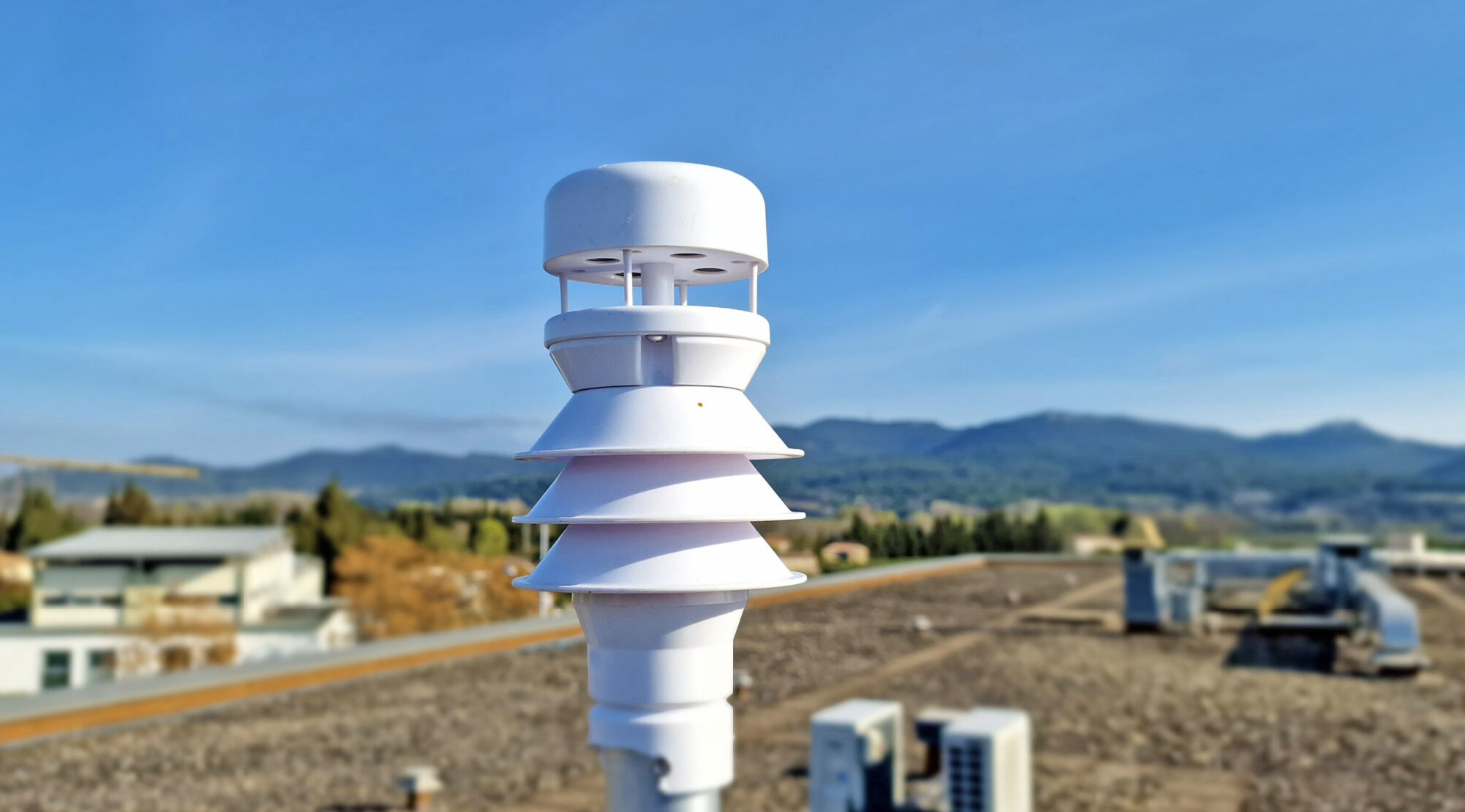
Pollen count measures the concentration of pollen grains per cubic meter of air (PPMs), collected through Automated Particulate Sensors that use neural network algorithms to identify individual species. When pollen levels are high, allergy sufferers typically experience symptoms including sneezing, itchy eyes, nasal congestion, runny nose, coughing, and in severe cases, respiratory distress. Indianapolis monitoring stations provide daily updates specific to local zip codes throughout the allergy season.
Key Pollen Types and Significant Trends in Indianapolis
Indianapolis residents face a diverse array of allergenic pollen throughout the year, with ragweed, tree pollen, and grass species dominating different seasons. Recent data shows that Indiana's freeze-free season has grown by 19 days between 1970-2024, directly contributing to extended pollen exposure and more severe allergy seasons.
- Ragweed Pollen: The most significant fall allergen, with a single plant capable of producing up to 1 billion pollen grains per season, peaking in September
- Tree Pollen: Dominated by oak, maple, birch, ash, and hickory species that reach peak levels in April and May, the city's most challenging allergy months
- Grass Pollen: Including Kentucky bluegrass, Timothy grass, and ryegrass varieties that peak from late May through August during summer months
- Mold Spores: High humidity and spring rains create ideal conditions for mold growth, adding to allergen burden alongside pollen exposure
The city's volatile climate causes trees and plants to undergo multiple flowering cycles when early warm spells alternate with cooler periods, significantly extending pollen production beyond typical timeframes. Urban pollution further exacerbates the problem by causing structural changes in pollen grains that make them more allergenic, creating a double threat for city dwellers exposed to both natural allergens and environmental pollutants.
Seasonal Pollen Patterns in Indianapolis
Indianapolis experiences distinct pollen seasons throughout the year, each dominated by different allergen types.
- Spring (March to May): Peak season dominated by tree pollen from oak, maple, birch, ash, hickory, cedar, and walnut, with April and May showing the highest counts
- Summer (June to August): Characterized by grass pollen from Kentucky bluegrass, Timothy grass, ryegrass, fescue, and prairie grass species at maximum levels
- Fall (September to November): Weed pollen, especially ragweed, reaches peak intensity in September and continues until the first frost arrives in November
- Winter (December to February): Cold weather halts pollen production, providing a winter break from outdoor allergens until late February
Access Daily Pollen Data in Indianapolis
The Pollen Count & Alerts App provides Indianapolis residents with hyper-local, real-time pollen data specific to your zip code. Track daily concentrations of tree, grass, weed, and mold spore allergens to plan outdoor activities during low-pollen periods. Receive personalized alerts when pollen levels spike, helping you take preventive measures before symptoms begin.
Effective Allergy Management Strategies for Indianapolis Residents
Taking proactive steps can significantly reduce allergy symptoms during Indianapolis's extended pollen season.
- Use the Pollen Count & Alerts App: Monitor real-time pollen levels and receive customized alerts to plan outdoor activities during low-pollen times
- Improve Indoor Air Quality: Keep windows closed during high pollen days, use air conditioning with clean filters, and run dehumidifiers to reduce mold growth
- Practice Personal Hygiene: Shower and change clothes after outdoor exposure, wash hair before bed to remove pollen particles, and avoid touching your face
- Install HEPA Air Purifiers: Use high-efficiency particulate air filters in bedrooms and main living areas to capture airborne pollen and mold spores
- Consult an Allergist: Seek professional evaluation for allergy testing, prescription medications, or immunotherapy options if over-the-counter remedies prove insufficient
App Features to Enhance Your Allergy Management
The Pollen Count & Alerts App offers comprehensive tools designed specifically for Indianapolis allergy sufferers to stay informed and prepared.
- Real-Time Pollen Counts: Access the latest pollen data specific to Indianapolis zip codes, updated daily throughout the allergy season
- Customized Alerts: Receive notifications when pollen levels for your specific allergens reach moderate or high thresholds in your area
- Accurate Forecasts: View multi-day pollen forecasts to plan outdoor activities, exercise routines, and medication schedules in advance
- Educational Content: Learn about specific allergen types, peak seasons, and evidence-based management strategies tailored to Indianapolis conditions
- Intuitive Design: Navigate user-friendly interfaces with visual pollen level indicators, historical trends, and personalized allergy tracking features


Learn More About Managing Your Seasonal Allergies
- Understanding Allergy Pollen Counts: Your Comprehensive Guide – Discover how to interpret pollen count levels and develop effective daily management strategies to minimize allergy symptoms throughout the season.
- Why Are My Allergies So Bad Right Now? | Pollen Count & Alerts App Blog – Understand the factors that can cause sudden worsening of allergy symptoms, including climate changes, pollution levels, and extended pollen seasons.
- Do Allergies Get Worse as You Age? | Pollen Count & Alerts App Blog – Learn why allergies can develop, intensify, or diminish as you age and what you can do to adapt your management approach over time.
Stay updated with the latest tips and insights by visiting the Alert Pollen Blog.
Pollen count in nearby cities
FAQ
When is pollen season in Indianapolis, IN?
In Indianapolis, pollen season typically runs from late February through November, with two distinct peak periods. Tree pollen dominates from April to May, featuring oak, maple, birch, and ash as primary allergens. Ragweed and other weed pollens peak dramatically in late August through September, while grass pollens are most active from late May through August.
What are the most common allergens in Indianapolis, IN?
Indianapolis residents face three major allergen categories throughout the year. Spring brings high concentrations of tree pollen from oak, maple, birch, ash, hickory, and cedar species peaking in April and May. Summer features grass pollens including Kentucky bluegrass, Timothy grass, and ryegrass from late May through August. Fall is dominated by ragweed, which can produce up to 1 billion pollen grains per plant, along with wormwood, amaranth, and mugwort, peaking from late August through the first frost in October or November.
How can the Pollen Count & Alerts App help me manage allergies in Indianapolis?
The Pollen Count & Alerts App provides real-time pollen monitoring specifically for Indianapolis zip codes, helping you plan outdoor activities around daily pollen fluctuations. Given Indianapolis's unique position as a geographical crossroads with volatile weather patterns, receiving personalized alerts allows you to take preventive medication before high-pollen days and avoid peak exposure times. The app tracks all three major pollen types—trees, grasses, and weeds—so you can anticipate seasonal transitions and prepare accordingly.
Final Thoughts
Living in Indianapolis means navigating one of the longest and most diverse pollen seasons in the Midwest, complicated by the city's unique geographic position and urban environment. However, with detailed knowledge of local allergen patterns and access to real-time monitoring through the Pollen Count & Alerts App, you can take control of your allergy management. Understanding when oak, ragweed, and grass pollens peak allows you to plan ahead and minimize exposure during critical periods.
Don't let Indianapolis's extended allergy season keep you indoors—download the Pollen Count & Alerts App today to receive personalized alerts and stay one step ahead of pollen spikes. With accurate, location-specific data at your fingertips, you can enjoy the city's parks, trails, and outdoor spaces while keeping your symptoms under control.
Take Control of Your Allergies Today
The Pollen Count & Alerts App delivers real-time pollen counts, personalized alerts tailored to your sensitivities, and comprehensive forecasts covering trees, grasses, and weeds specific to Indianapolis. Whether you're dealing with spring oak pollen or fall ragweed, get the information you need to breathe easier and plan smarter. Download now and transform how you manage seasonal allergies in Indianapolis.